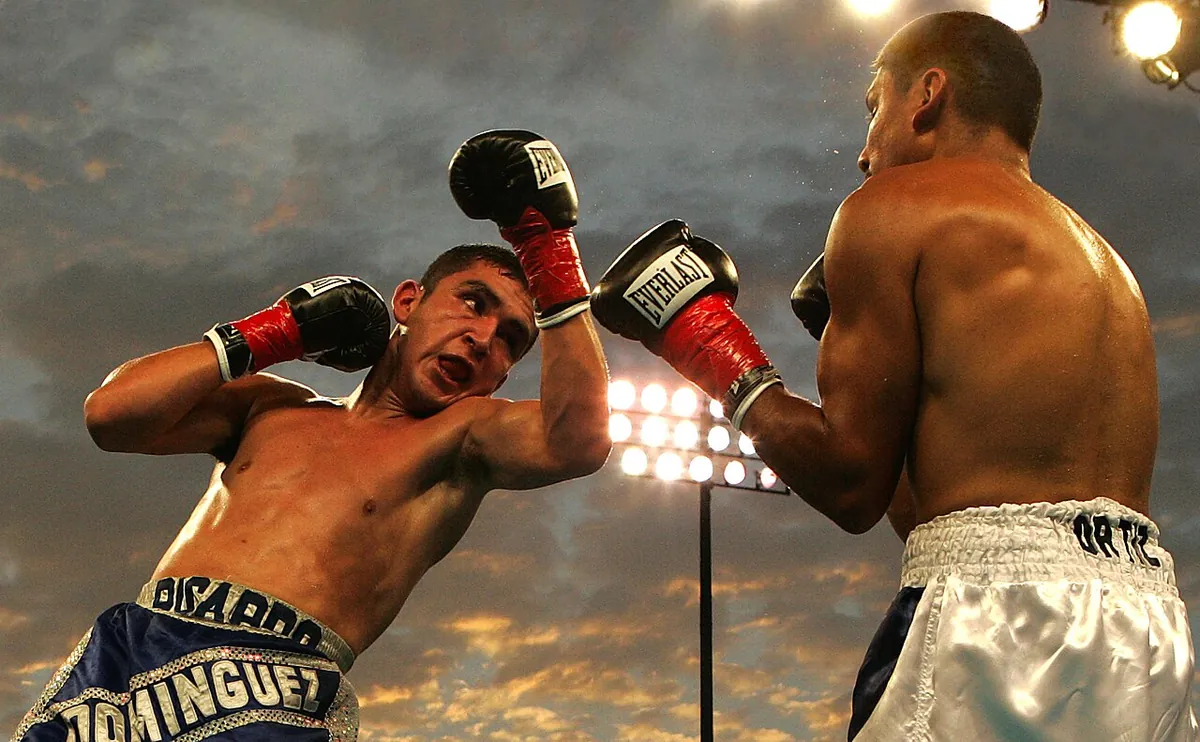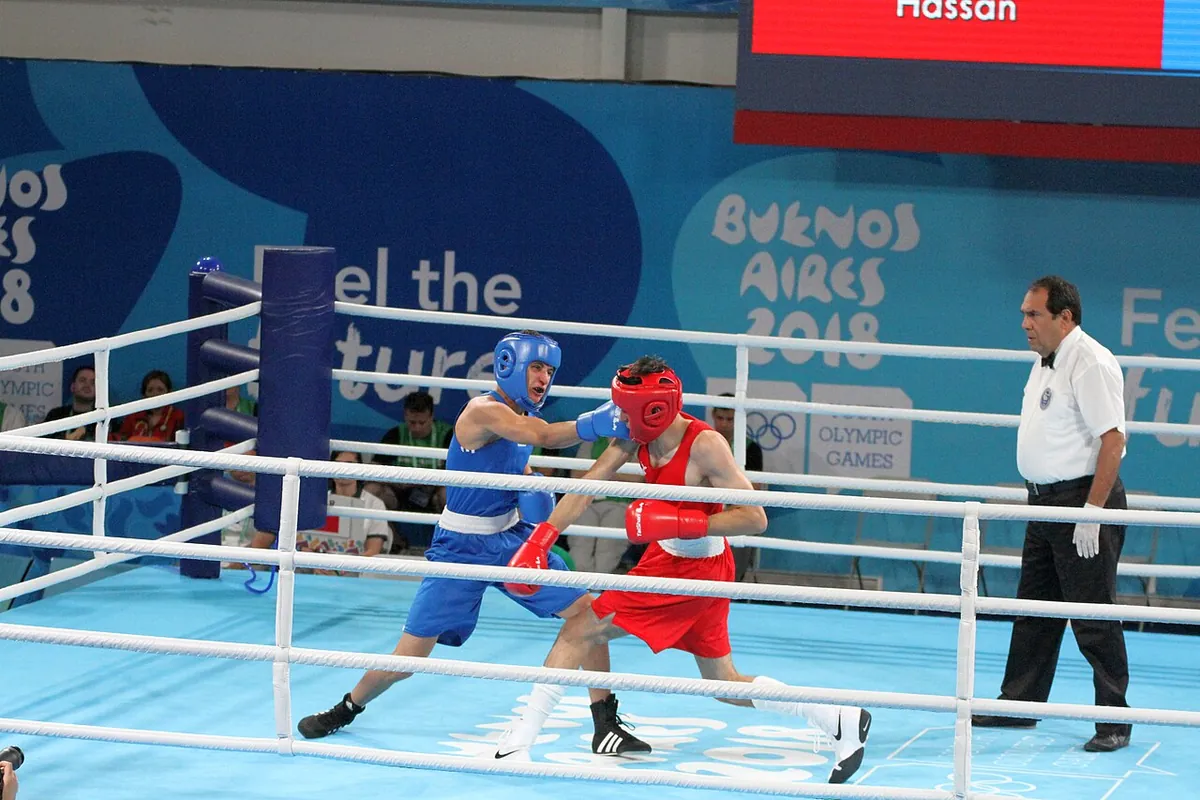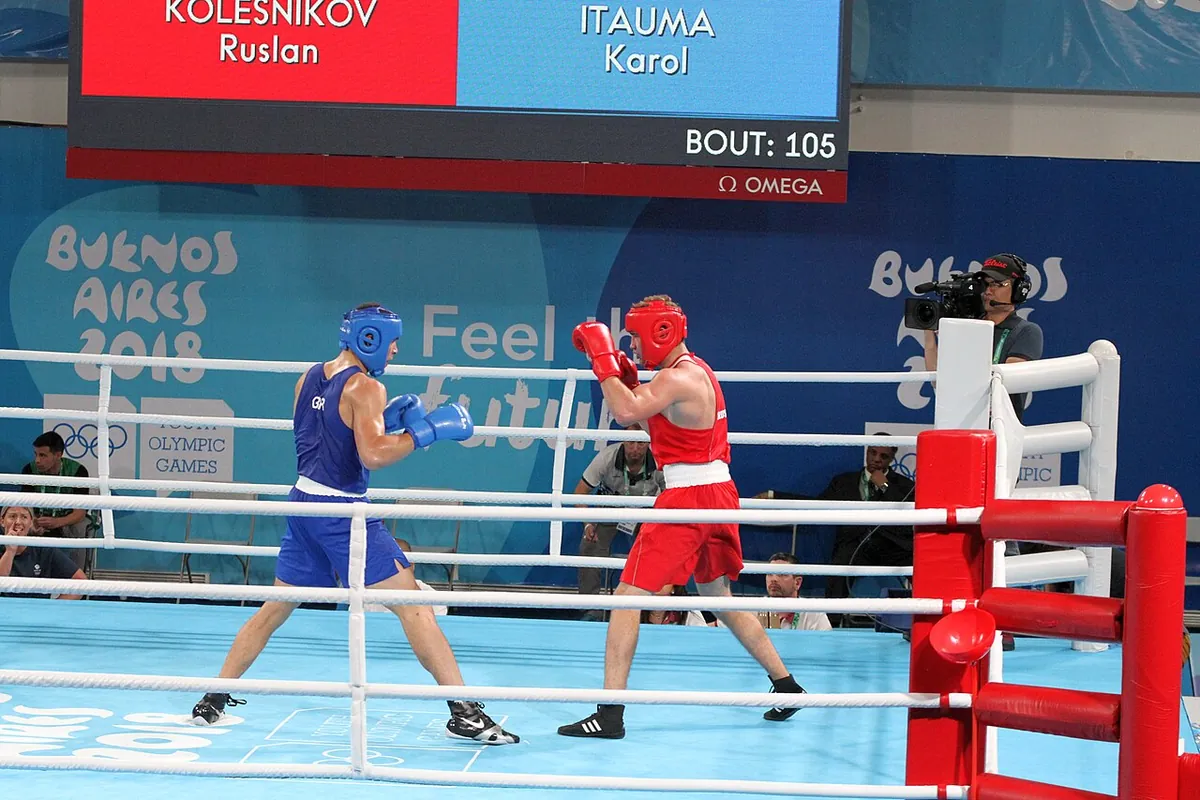
Boxers need a suitable range for legal scoring blows while retaining defensive options against the reply. Footwork therefore creates useful positions rather than simply moving around the ring. Following the feet helps explain why a brief advance, retreat or change of angle can alter the rhythm of an entire round.
Entering and leaving range
An advancing boxer needs a position that allows both punching and adjustment. After a combination, the athlete must decide whether to remain or leave. Excessive movement can consume effort, while crowding can reduce reaction space. Watch when each boxer stops, enters suddenly and regains balance after moving away to understand how the exchange is organised.
Angles change the available lines
Facing an opponent directly creates different opportunities from a slightly offset position. Turning or moving sideways changes alignment but may also lead towards the ropes. Retreating does not automatically mean losing every exchange, just as advancing does not automatically establish a scoring advantage. Effective punches and the following position provide the necessary evidence.
Torso distance is not punching distance
Arm length and guard position alter reach even when the bodies appear similarly separated. Observe the lead foot, shoulders and gloves together rather than estimating range only from the floor. A half-step can make an incoming punch miss. These small changes show that distance is continuous, not a choice between simply approaching and escaping.