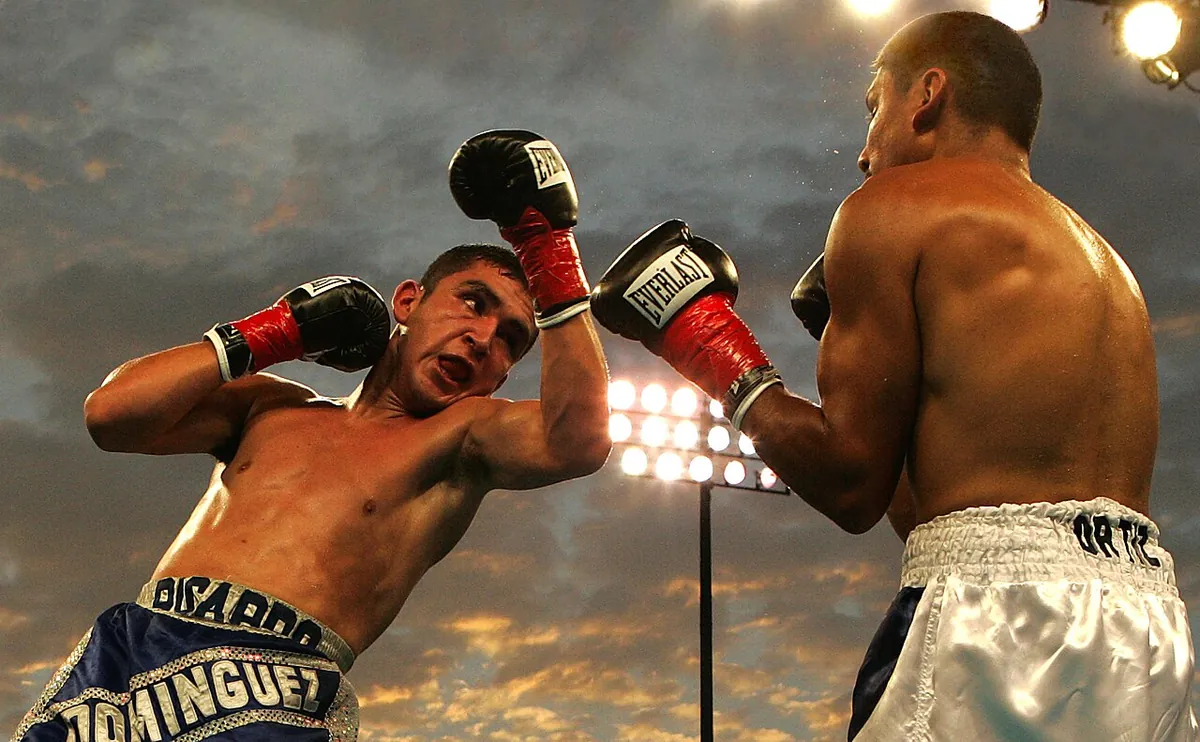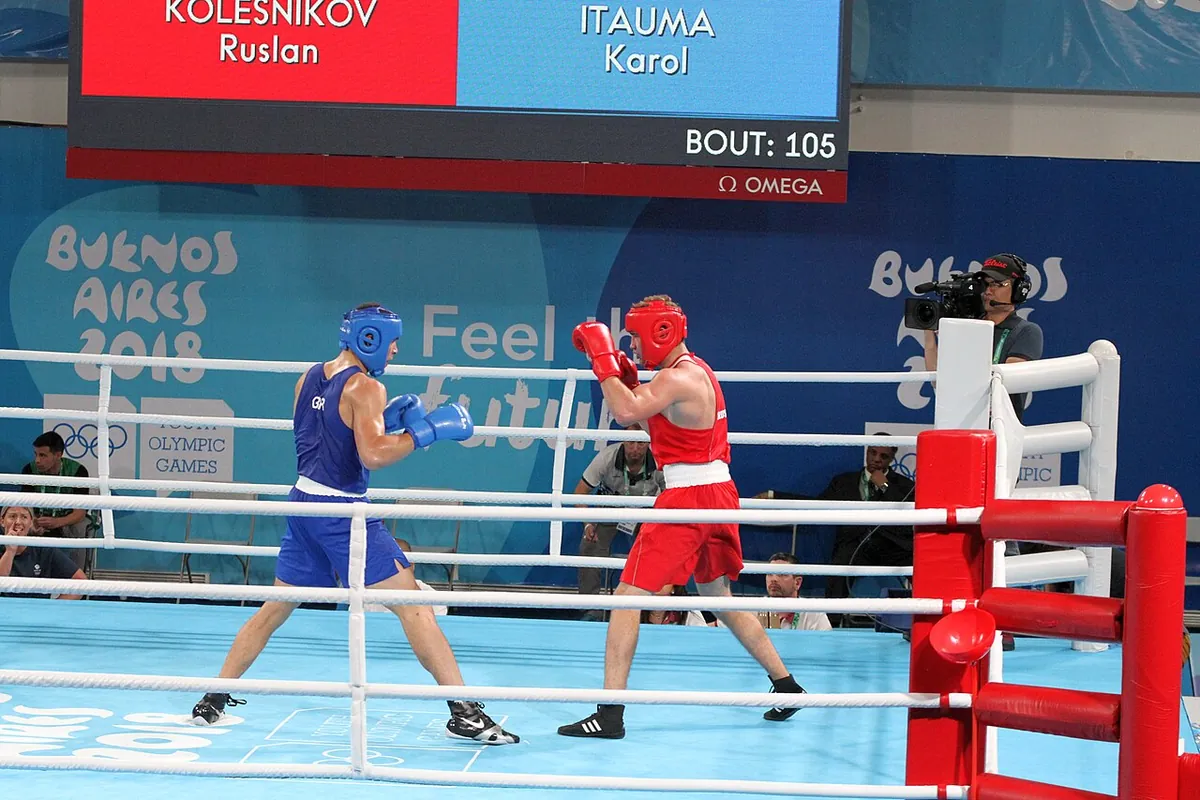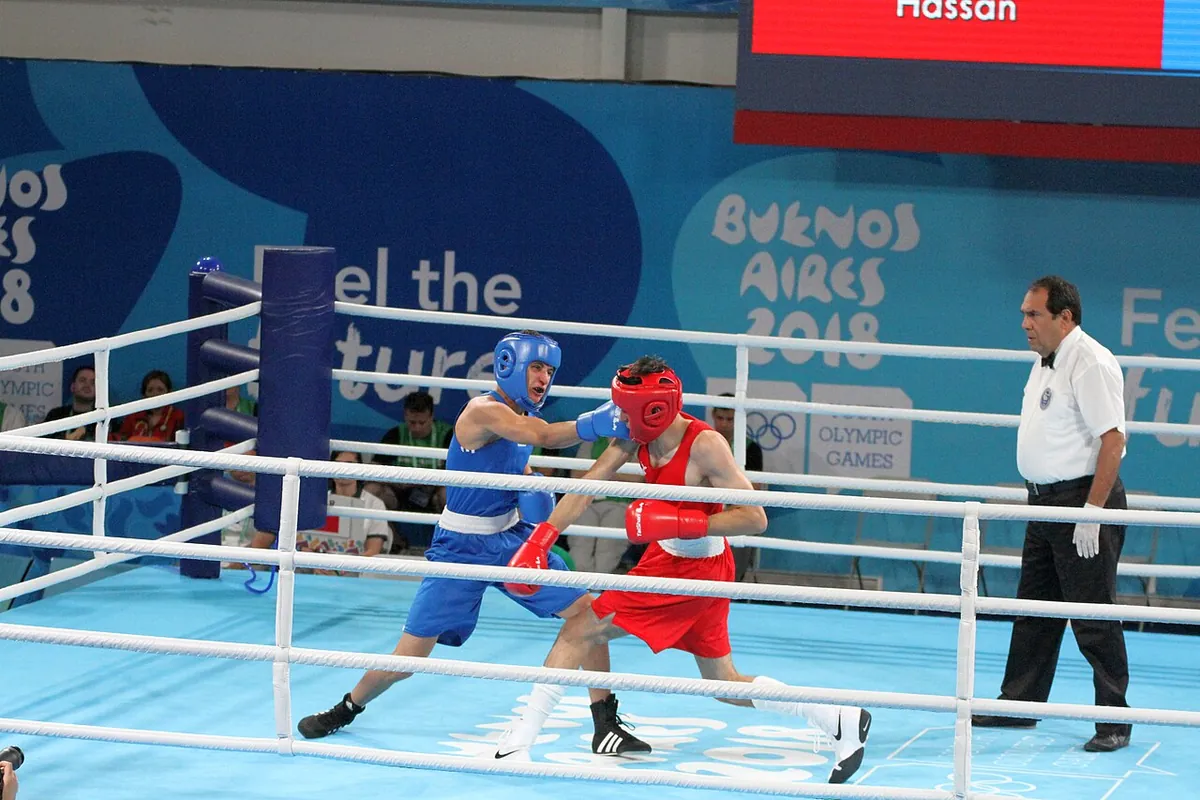
The jab is generally delivered with the lead hand and is an important tool for managing range and rhythm. Combinations link several punches together. View each action as part of an exchange involving distance and defensive reactions, while remembering that the competition's effective-blow criteria determine what actually contributes to scoring.
Several purposes for the jab
A lead-hand punch may test range, interrupt preparation or create an opening for a following action. Its usefulness is not measured only by visible force. Notice whether the opponent changes position, raises the guard or stops advancing. Such tactical effects can matter without automatically making every probing punch a clear scoring blow.
The combination must leave options
Repeated punches require maintained balance and appropriate distance. Otherwise later actions may miss or leave the boxer exposed to a reply. Watch the position after the sequence: can the athlete adjust, protect the target area and prepare for the next exchange? A lively flurry does not establish that every punch landed or that the round is decided.
More is not necessarily better
The point of a combination is for its actions to support one another. The first punch may alter the guard and create a clearer subsequent opening, or the loss of range may make stopping sensible. Record actual connections alongside the finishing position. This separates the visual fluency of the sequence from its demonstrated effectiveness.