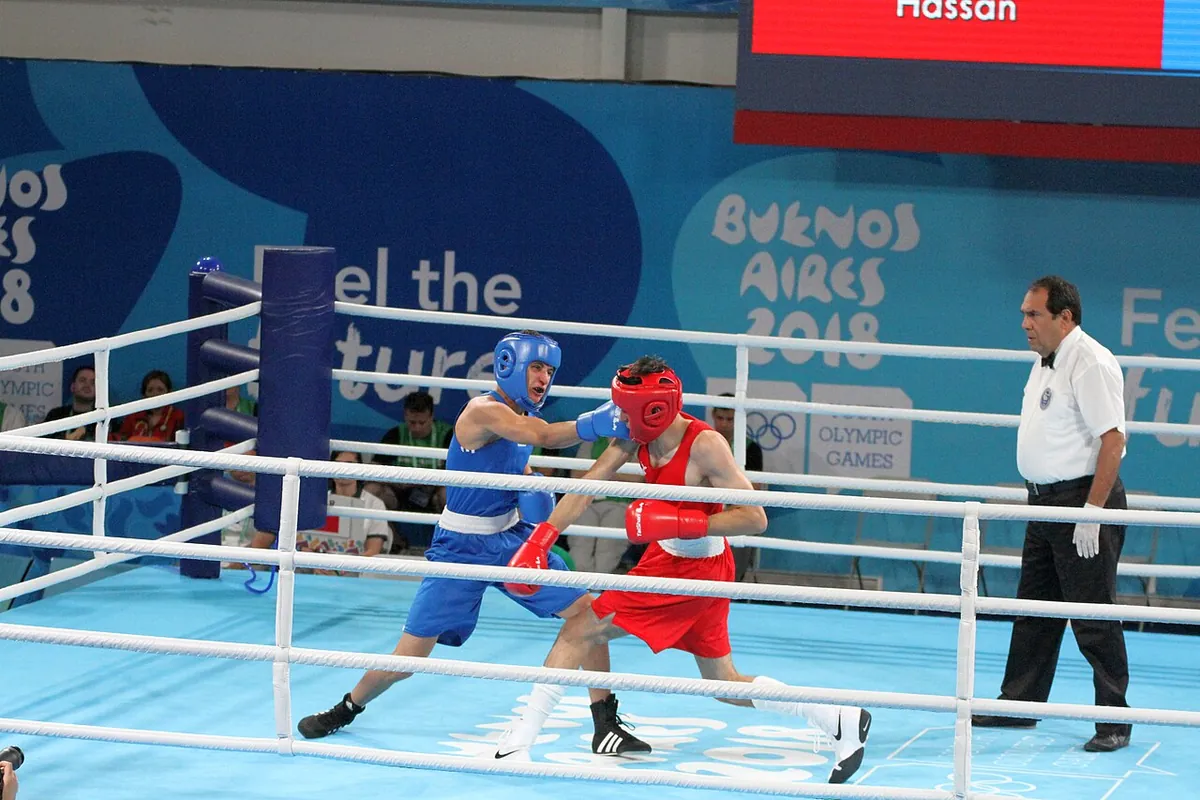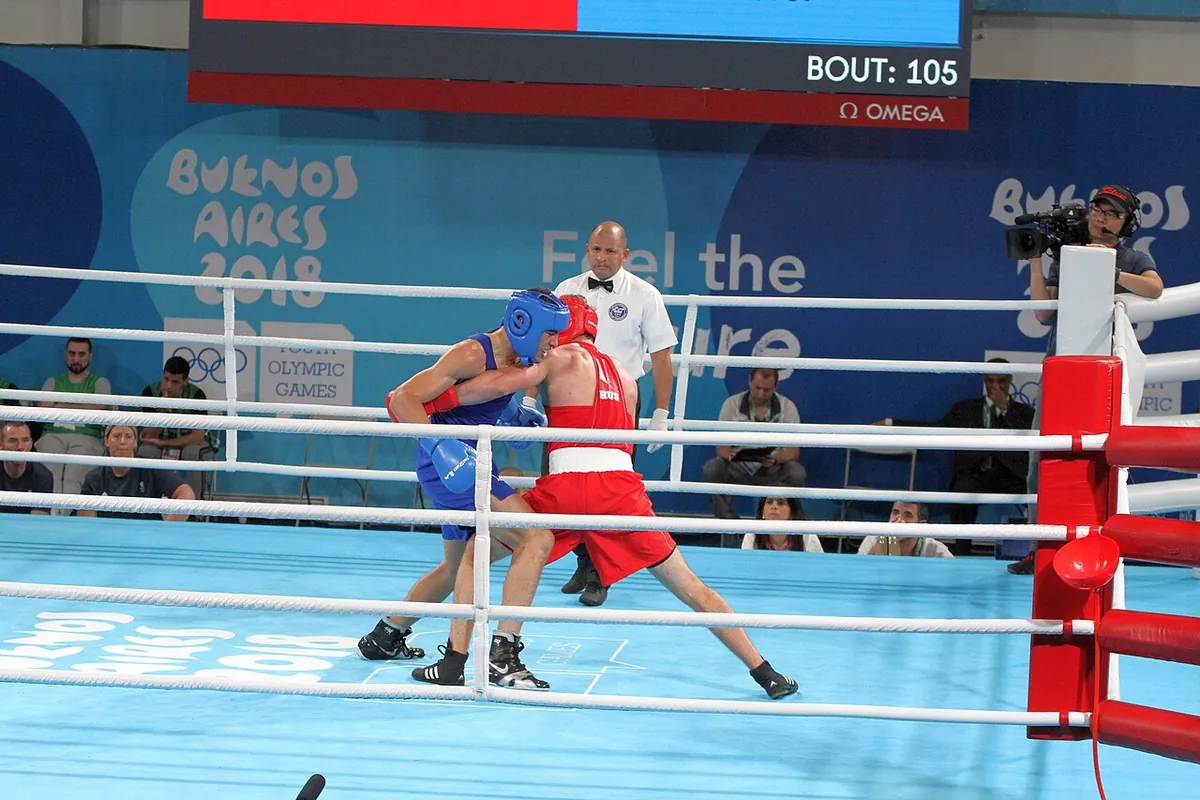
Boxing is organised through several event and regulatory frameworks. The World Boxing rules provide a reference for its competitions, while professional bouts require the relevant organisational and local regulatory rules. Before discussing tactics or a result, identify the event, date, category and conditions rather than assuming every bout follows one format.
Familiar words can conceal different details
Points decisions, knockdowns and stoppages are widely recognised terms, but their procedures can differ. Round numbers, duration and equipment requirements also require confirmation. Applying the expectations of a professional title bout directly to an Olympic-context competition can distort both pacing analysis and the interpretation of the referee's actions.
Keep career stages distinct
Many prominent boxers competed at the Olympics or other international events before entering professional boxing. Their achievements need separate labels. Olympic gold is not a professional world championship, and the reverse is equally true. A clear chronology helps explain why one athlete might face different pacing and preparation demands at different stages.
A practical information checklist
For an unfamiliar event, establish the organiser or regulator, weight category, round structure and official result terminology before analysing exchanges. A shorter international bout and a longer professional contest present different endurance tasks. Once those conditions are known, discussion of an exploratory opening or late acceleration has a firm basis in the actual contest.