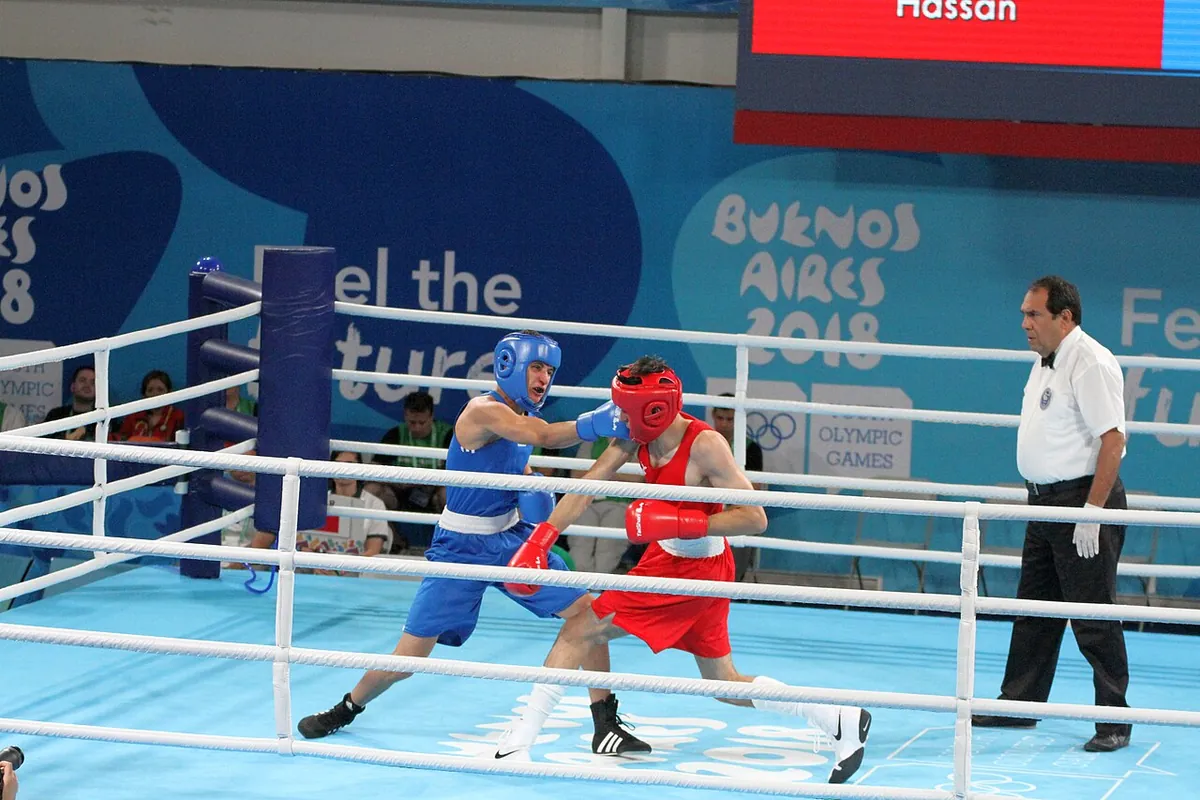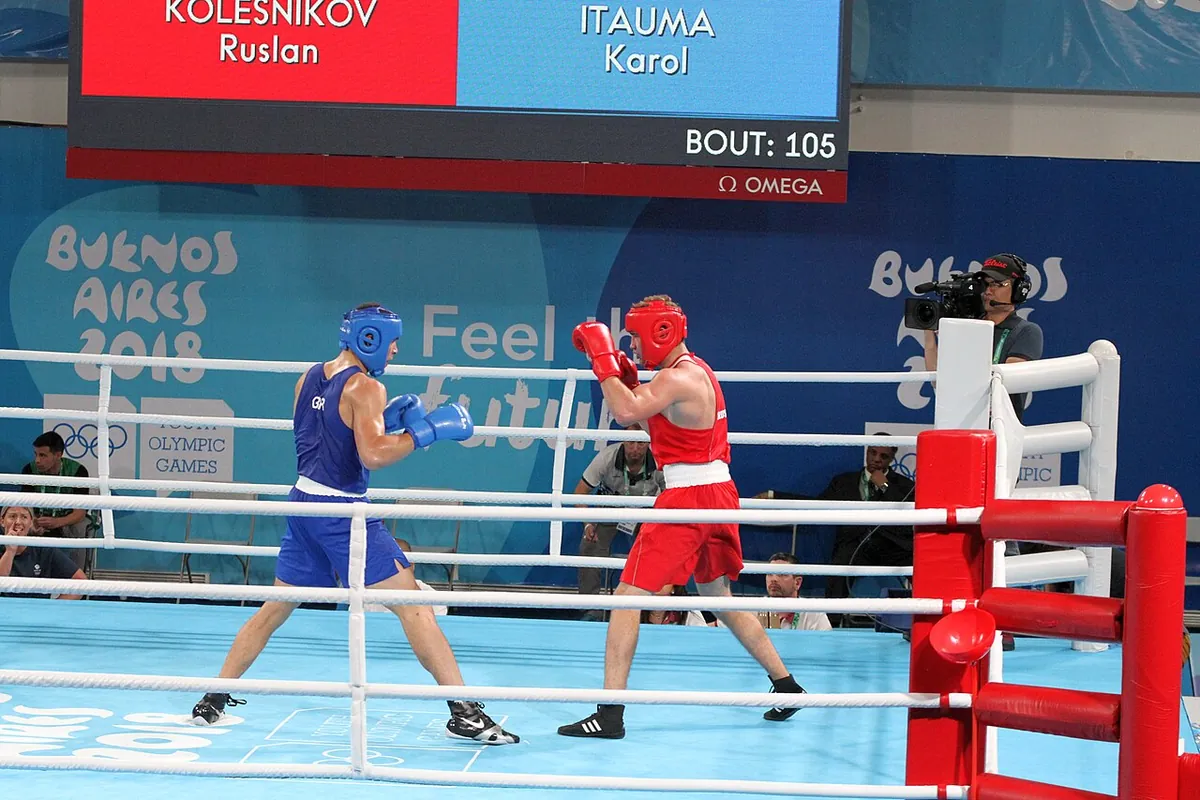
Boxing defence can use the gloves and arms, body movement or footwork. Each choice must fit the distance and situation. A useful viewing question is whether effective contact was reduced and what position followed. An impressive evasion is part of an ongoing exchange rather than a complete event by itself.
Small movement can be meaningful
Some defensive actions make only a slight visible adjustment yet redirect a punch or remove its accurate line. Larger movement can create more separation but consume space. Neither is universally superior. Near the ropes, exit routes are restricted, making the surrounding ring position important when assessing why a boxer chose a particular response.
Countering still needs the right conditions
An opponent's attack can leave an opening, but a reply still requires range, balance and effective contact. A successful evasion does not automatically create a scoring counter. On replay, separate whether the defensive action worked from whether the following punch achieved its purpose. Technical spectacle and the formal scoring criteria answer different questions.
Defence can cost position
Retreating or turning away from a punch may bring the boxer closer to the ropes or remove an attacking angle. Assess the resulting position as well as the immediate miss. Several successful evasions can preserve the boxer, yet also gradually narrow the available routes. The whole round reveals the consequences more clearly than one striking defensive highlight.