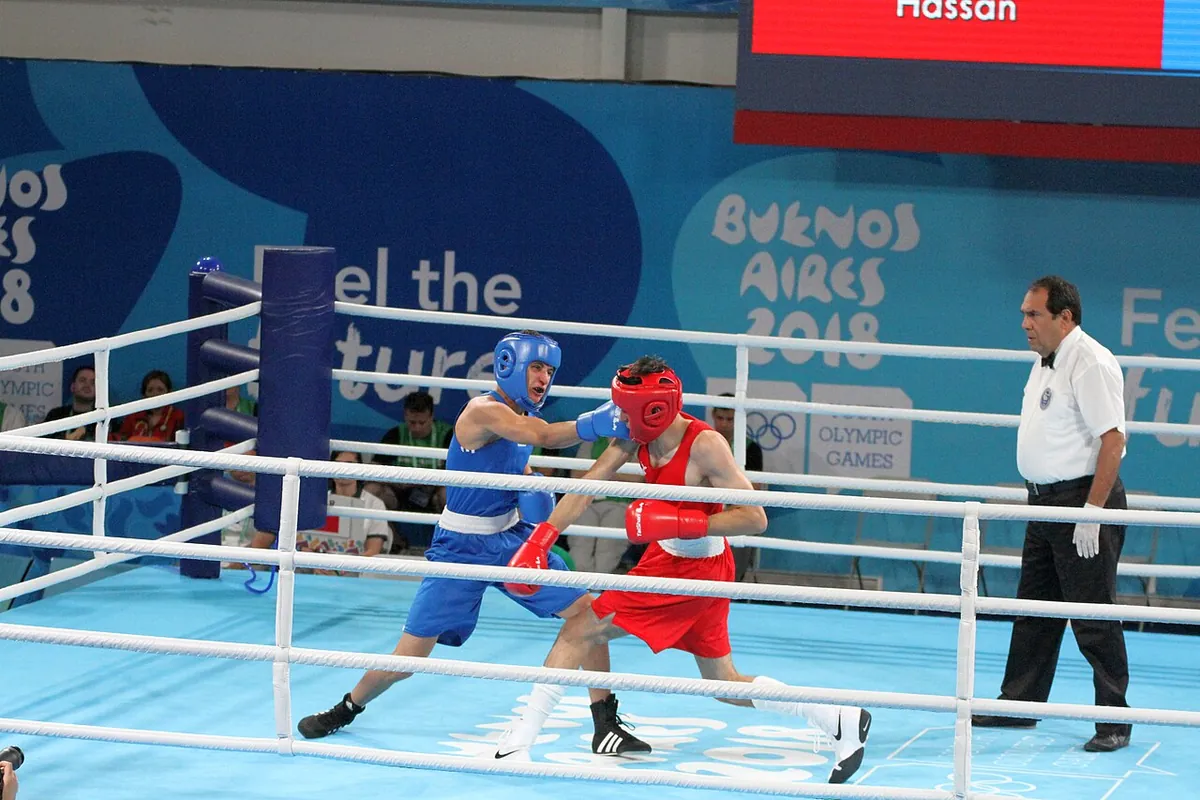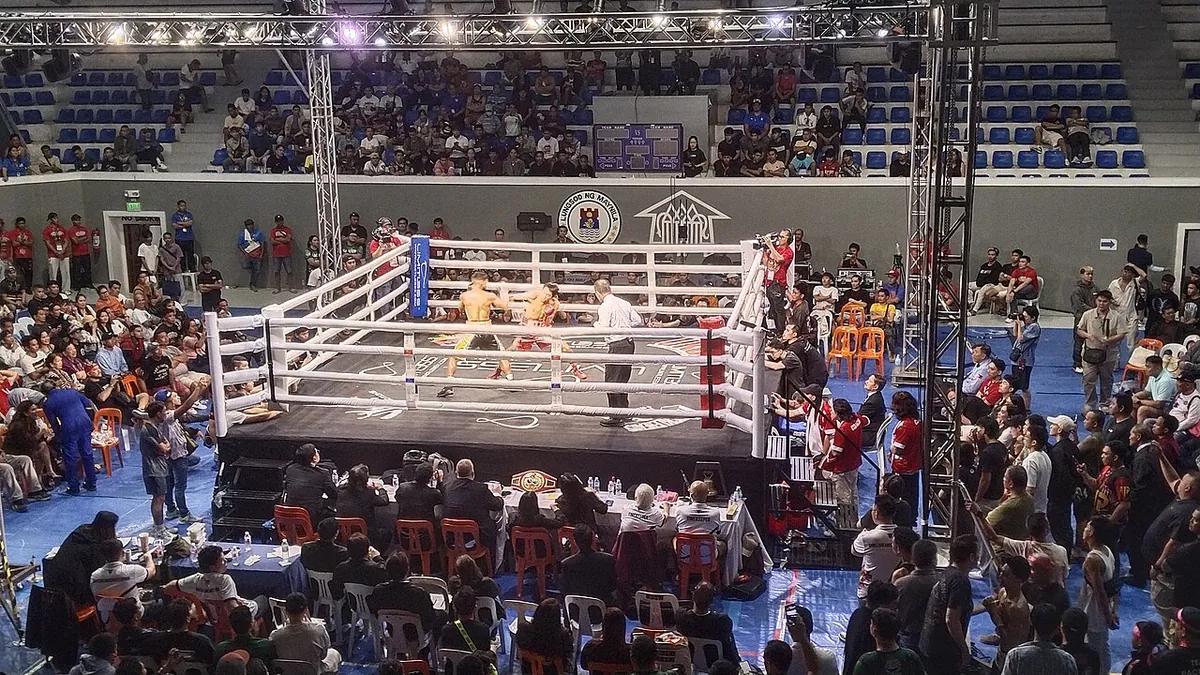
The ropes define boxing's working space. Centre ring, corners and the perimeter offer different movement options, so position is an active part of a bout. Constant advance can look dominant, but scoring still depends on the applicable performance criteria. Follow what a position enables rather than assuming that pursuit itself wins an exchange.
How the ropes change choices
With the ropes behind a boxer, straight retreat becomes limited and lateral movement or turning becomes more important. The advancing boxer must still preserve useful punching distance; moving too close can reduce it. Watch whether the pressured athlete can turn out and whether the pursuer converts the location into clear, effective punches.
The centre is an opportunity, not a score
Standing centrally provides possible routes but does not automatically earn a judge's approval. The boxer needs to use that position to attack, respond or organise the pace. Track how the space changes and what follows. This connects position with demonstrated effectiveness rather than reducing the bout to a story about who chased whom.
Approaching is not the same as trapping
An opponent near the ropes may still have a lateral route back into open space. Follow a pressure sequence from beginning to end before deciding that effective control was established. Then examine the contacts produced. Connecting the movement with its result gives a stronger basis for assessment than praising uninterrupted forward walking alone.