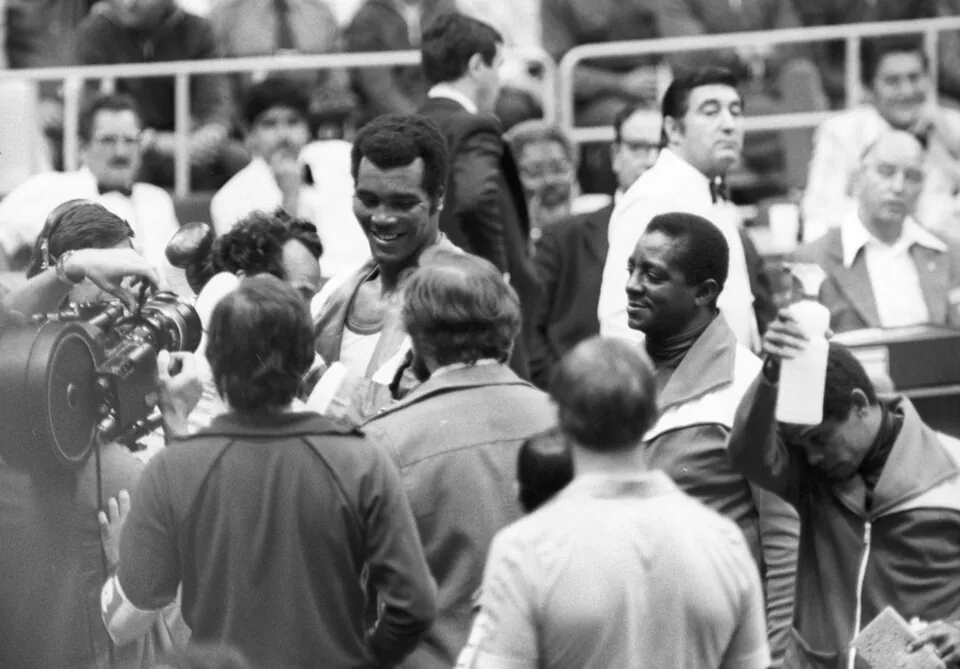
Cuban boxer Teofilo Stevenson won heavyweight Olympic gold at Munich 1972, Montreal 1976 and Moscow 1980. His principal competitive story belongs to the international tournament system. Not entering professional boxing does not mean lacking major championships, and imagined meetings with professional stars cannot be presented as contests that actually occurred.
Repeated success across the tournament path
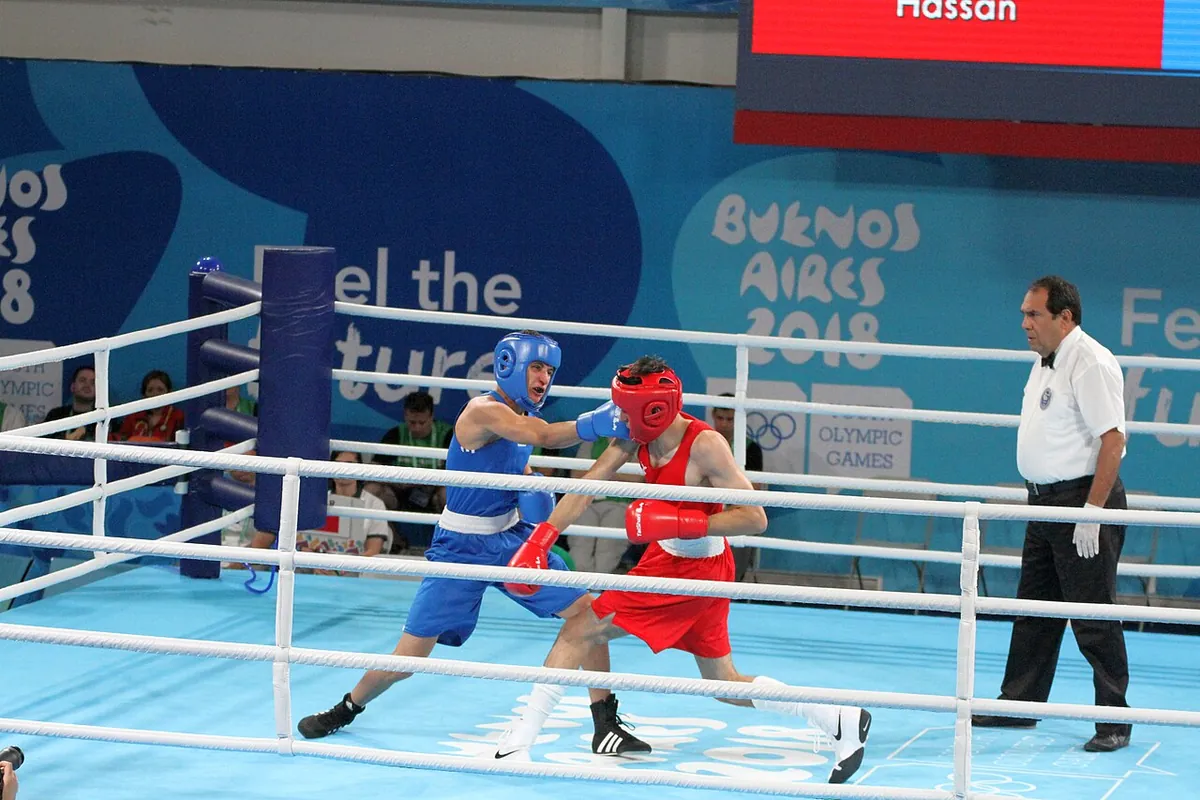
An Olympic tournament requires progression through scheduled bouts against different opponents, each presenting its own rhythm and distance problems. Stevenson's three titles demonstrate sustained competitiveness across cycles. Actual entries and results provide the evidence, rather than physique or anecdote supposedly proving what would have happened against a champion from another system.
Heavyweight boxing still needs organisation
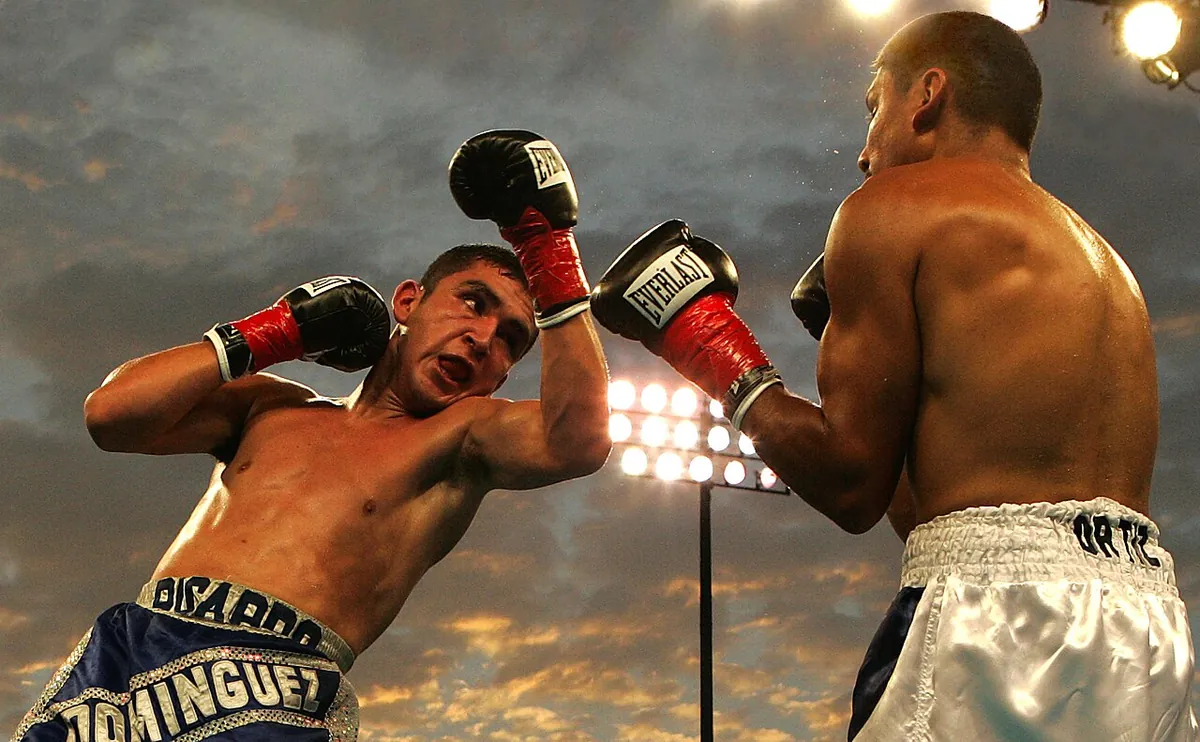
Power attracts attention in heavyweight bouts, but range, judgement and round execution remain important. Watch how Stevenson waited for opportunities, used his physical characteristics and responded to opponents. Preserve the rule context of the historical event instead of imposing every current detail retrospectively. A dramatic punch is not a substitute for the entire bout.
Keep imagined contests outside the record
Discussions of potential Stevenson match-ups can be interesting, but predictions cannot establish historical results. Separate his real Olympic achievements from bouts that never took place. Three Olympic championships already provide substantial, verifiable sporting evidence. Invented opponents or inflated rumours add uncertainty rather than improving an account of his significance.