Carissa Moore grew up in Hawaii and became an important figure in women's competitive surfing. Her professional career and Olympic achievement connect different competitive settings. Understanding her performances requires attention to conditions and judging: the same athlete can need a different selection of manoeuvres and a different heat plan when the location and wave shape change.
Tokyo's first women's champion
Moore represented the United States when she won women's gold at Tokyo 2020, surfing's first Olympic edition. Professional-tour material sometimes uses a Hawaii regional designation, whereas her Olympic delegation was the United States. Distinguishing those systems prevents an unnecessary confusion in a profile's description of her representation.
Power needs a suitable line
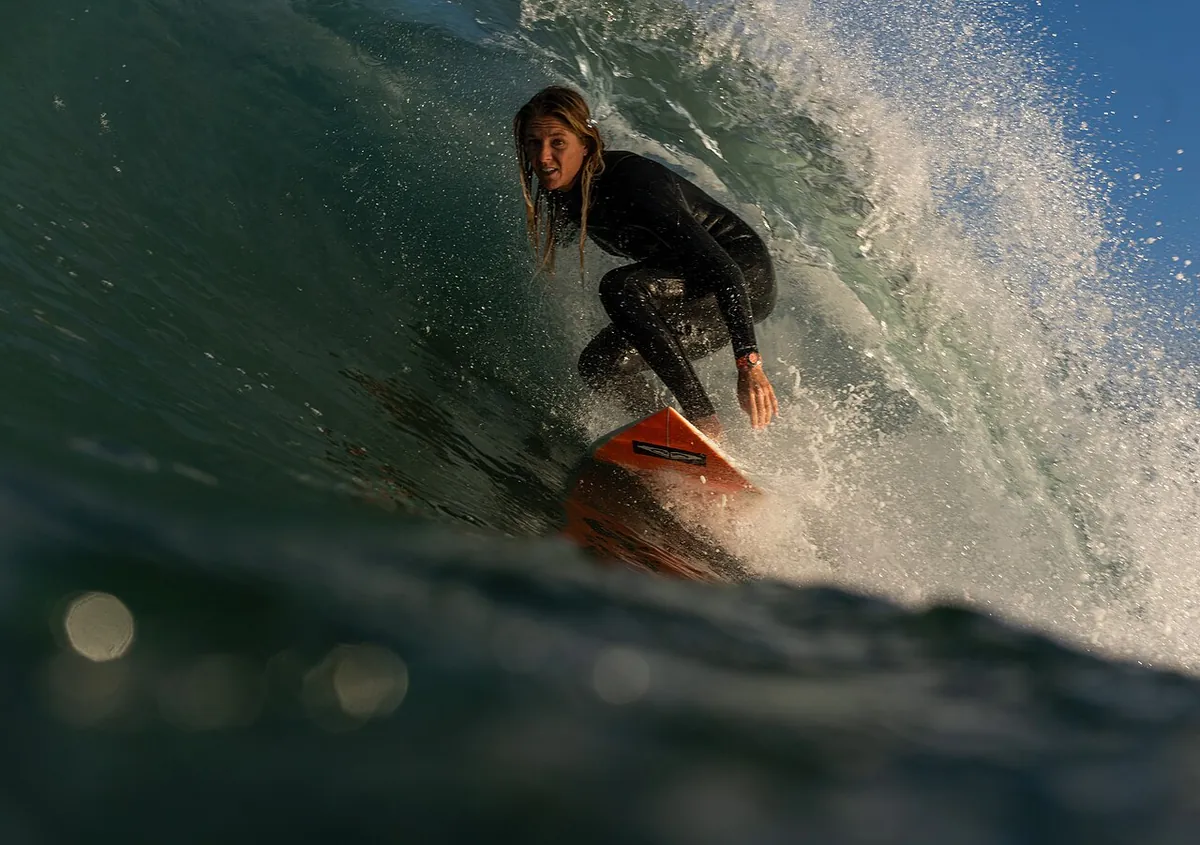
Moore's surfing offers a clear view of strong turns and effective use of the wave face. A manoeuvre needs to occur where sufficient energy allows amplitude, control and continued speed. Follow the bottom turn and the route into the critical part of the wave, rather than using the size of the spray as the only measure of quality.
Managing the complete heat
Limited time requires a choice between seeking a very high-scoring wave and building a dependable total. Once one strong score is secured, the second useful ride can determine the situation. Put individual manoeuvres back into the whole heat: technical skill must be paired with timely decisions in an environment that keeps changing.