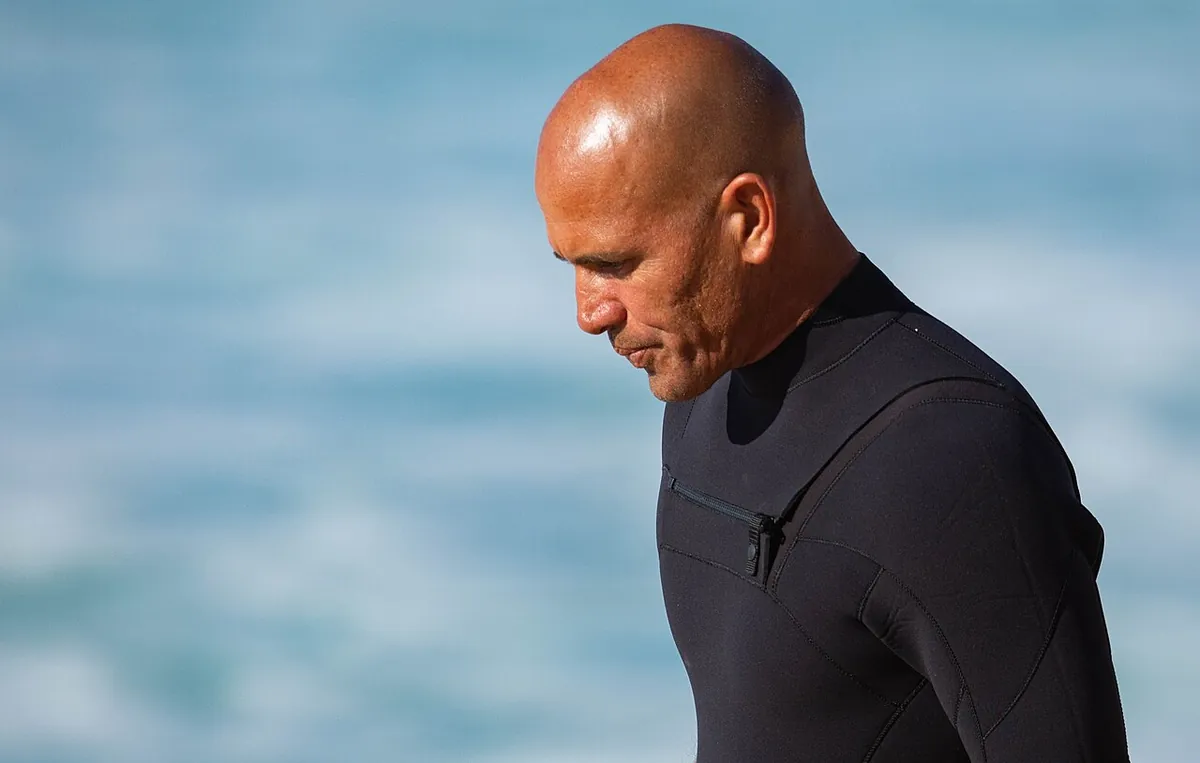
American surfer Kelly Slater is a major figure in professional surfing history. His performances across different periods and wave types highlight the need for adaptation. Surfing does not offer a course that repeats exactly on every attempt. An athlete must continually judge shape, power and usable space, then fit a technical performance into the opportunity that the wave provides.
A historical championship record
Slater won 11 men's professional world titles in completed seasons. When describing surfing history, remember that the professional tour's governing identity and terminology have changed, and that a season championship differs from an individual event win. A number only has a clear meaning when its competition and statistical scope are identified.
Different waves, different responses
A barrel asks the surfer to control speed and position within a changing space. An open face offers opportunities for turns, cutbacks and other manoeuvres. Watch how Slater adjusts the line as the wave develops rather than assuming that every ride follows a fixed sequence prepared beforehand. Conditions create the opportunity; the surfer must recognise it.
Experience includes selection
Experienced competitors decide which waves deserve an attempt as well as how to ride them. Waiting can preserve an opportunity but consume time; choosing too quickly can spend priority on an unhelpful wave. Reading the ocean and managing the heat are therefore as important to understanding a long career as the difficulty of an isolated manoeuvre.