 Surfing
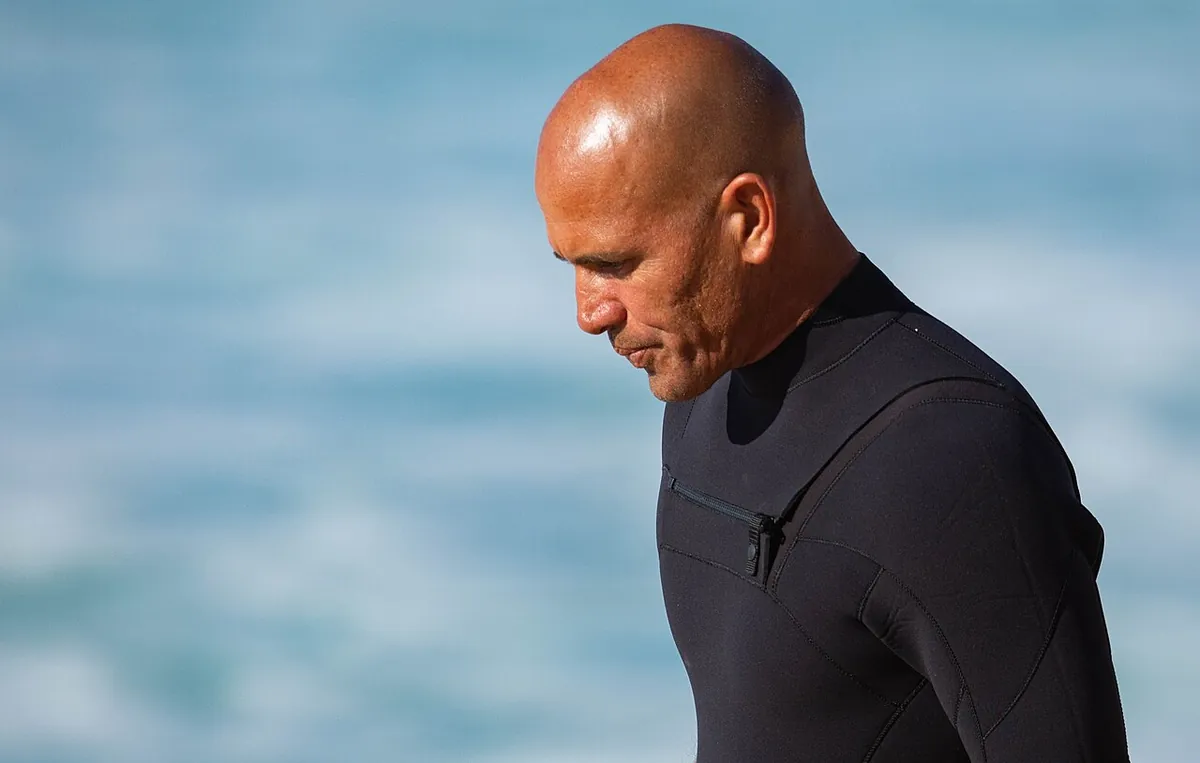
Kelly Slater: Adapting to a Changing Ocean
Slater's career shows why reading conditions and managing opportunities belong alongside technical ability in competitive surfing.
SurfingSlater's career shows why reading conditions and managing opportunities belong alongside technical ability in competitive surfing.
 Surfing
Gilmore's surfing illustrates how a smooth appearance can emerge from well-managed speed and an effective line.
 Surfing
Moore's achievements connect different competition systems while highlighting the same need to adapt decisions to the available waves.
 Surfing
Judging considers what the surfer does with the wave, while the best two scores shape the overall heat strategy.
 Surfing
Priority distributes access to limited waves, but the surfer still has to decide whether the opportunity is worth using.
 Surfing
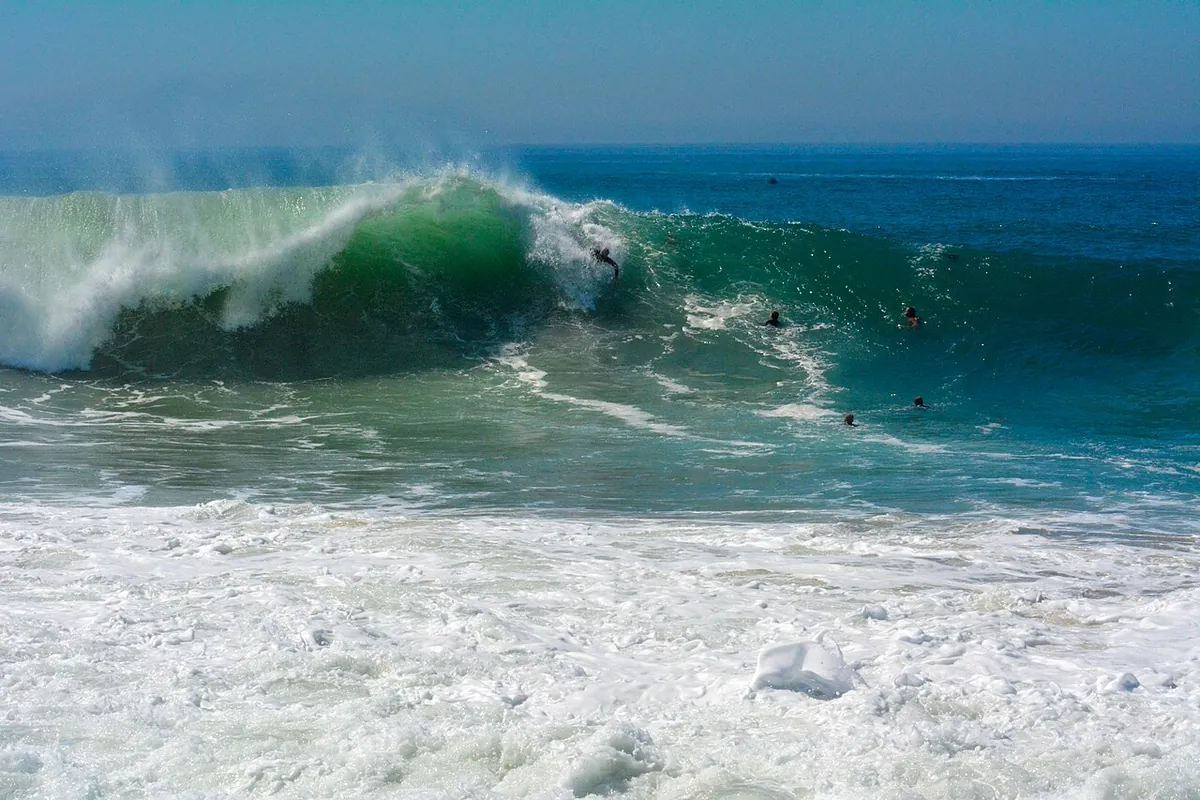
Wave shape, energy and timing turn selection into an essential part of the performance.
 Surfing
An understated change of direction often creates the speed and angle needed for a ride's most visible action.
 Surfing
The brief disappearance of a surfer hides continual adjustments to speed, depth and a rapidly changing opening.
 Surfing
A competition window allows organisers to work with wave quality and conditions rather than assuming the ocean follows a fixed timetable.
 Surfing
Tokyo and Paris demonstrated how strongly the location shapes the technical questions asked by Olympic surfing.