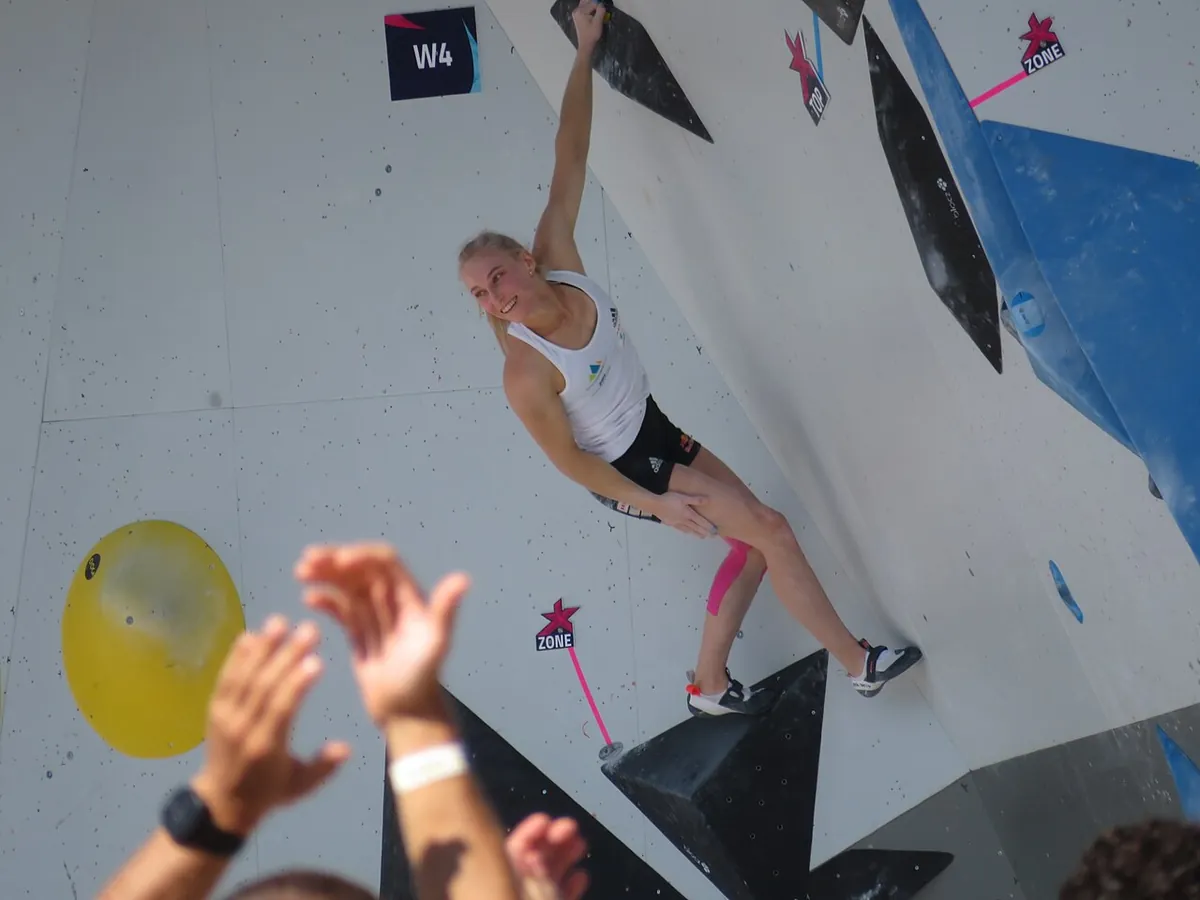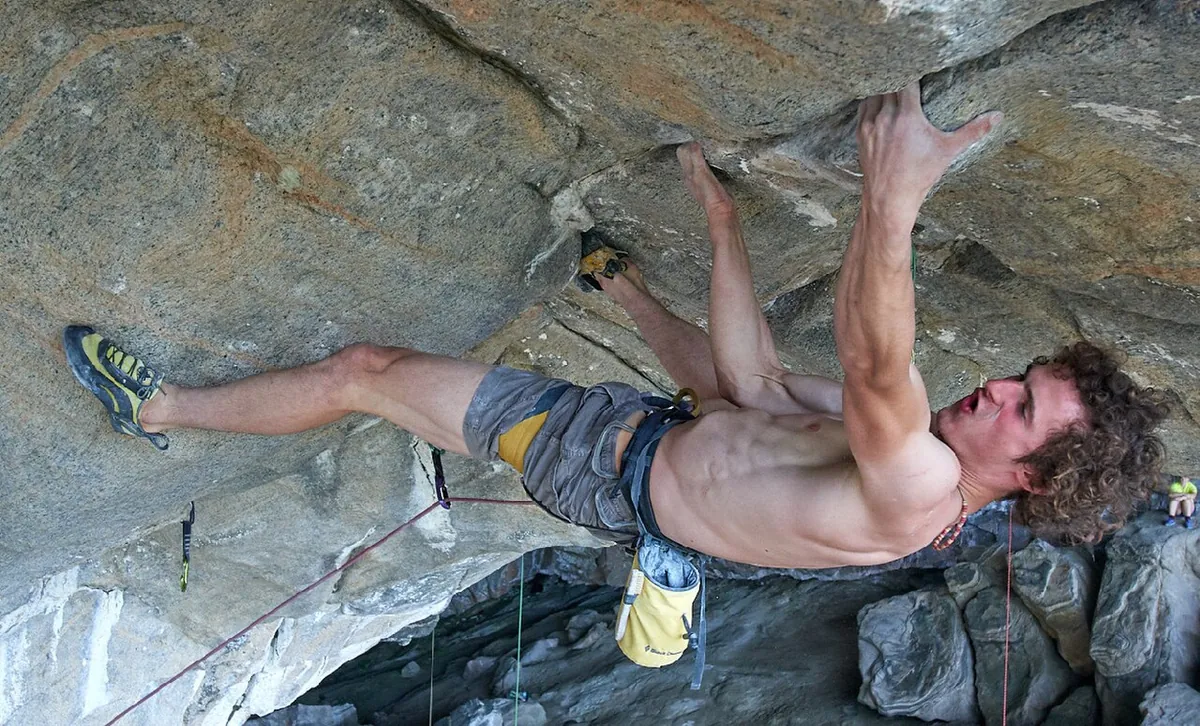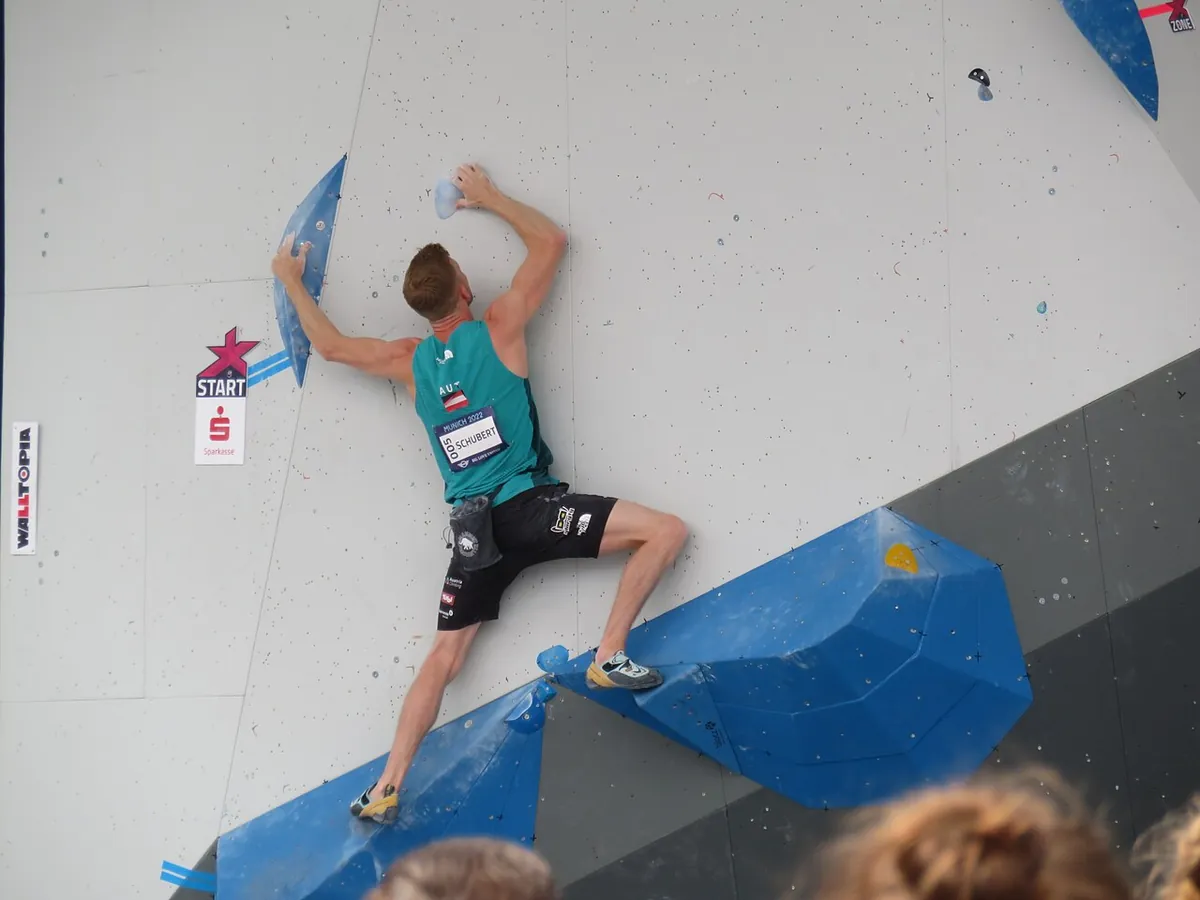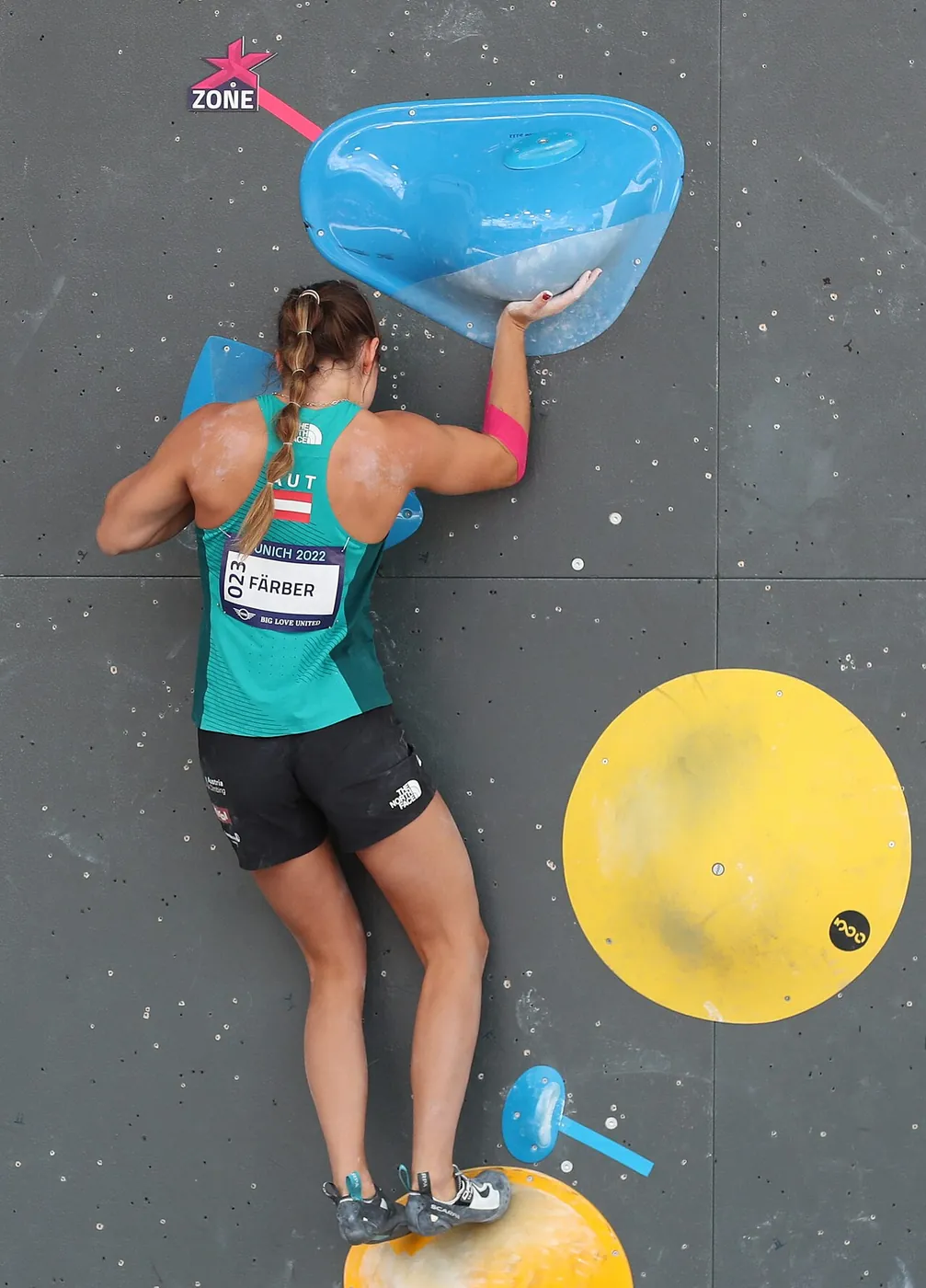
Boulder competition allows repeated attempts within a limited period, so a failure can supply information as well as consume an opportunity. The athlete has to determine whether the problem was strength, position, timing or sequence. Effective route reading becomes visible when the following attempt includes a specific adjustment that changes the result.
Start and scoring requirements
A problem defines starting positions and the conditions for control. Scoring holds and tops must also be controlled in the required way; touching a surface is not automatically enough. Follow the official scoring and the judge's confirmation rather than announcing success simply because the athlete's hand briefly reaches a prominent hold.
Look for the cause
A failed dynamic movement may involve the angle of departure or the timing of a foot, not just insufficient distance. A balance problem may need a small change in hip position. Compare foot choice, body orientation and the rhythm of the launch between attempts to see which part of the movement is being reconsidered.
Two limited resources
Repeated efforts cost energy, while a long rest reduces the remaining opportunities. The athlete decides when to return to the wall and when to try a fundamentally different solution. A final attempt often reveals how well earlier information has been integrated. Because scoring formats can change, discussion of the result should use the rules of that event.