Competition climbing includes movements that require slow balance and others that depend on jumping or swinging. Dynamic and static techniques are not higher and lower versions of the same skill. They solve different problems. Understanding their relationship makes the coordinated sequences of modern bouldering easier to follow without reducing them to spectacular leaps.
Static control establishes support
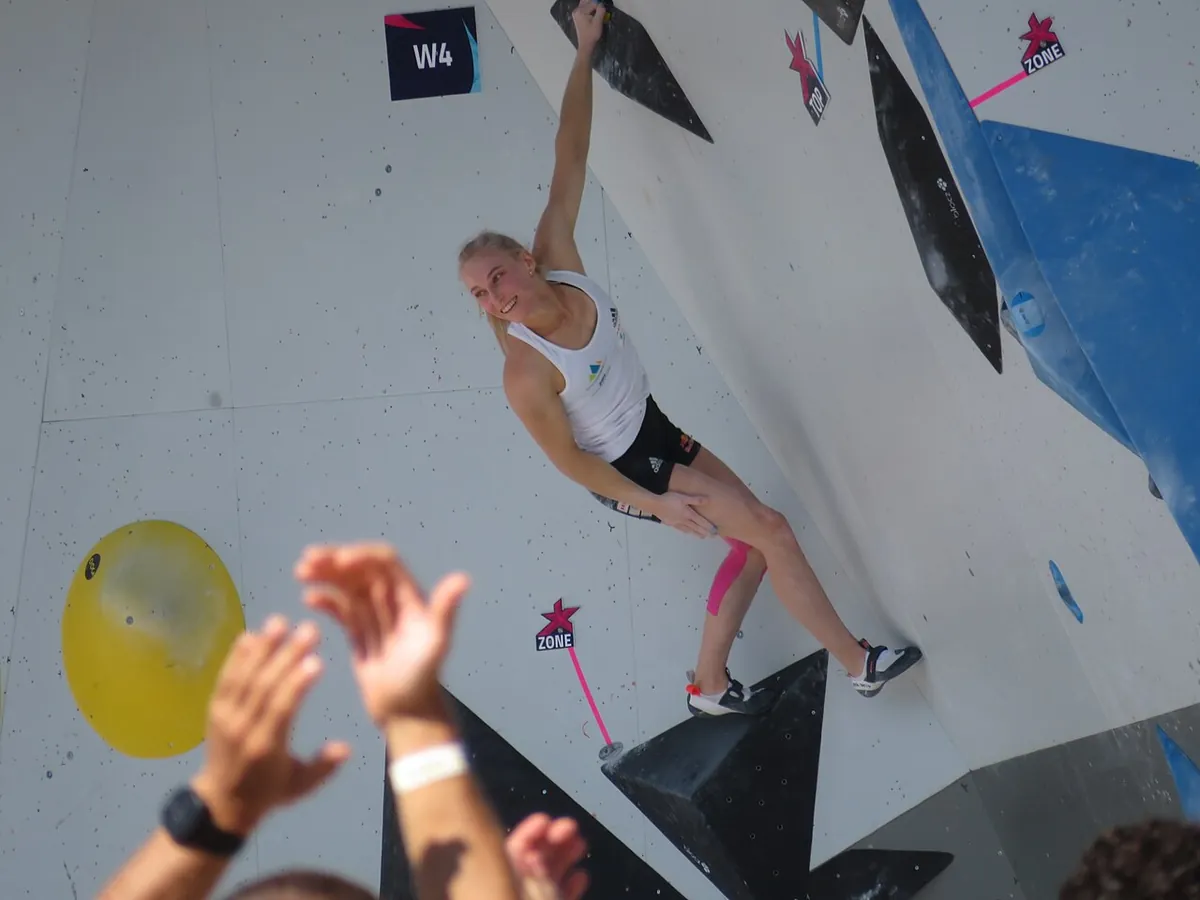
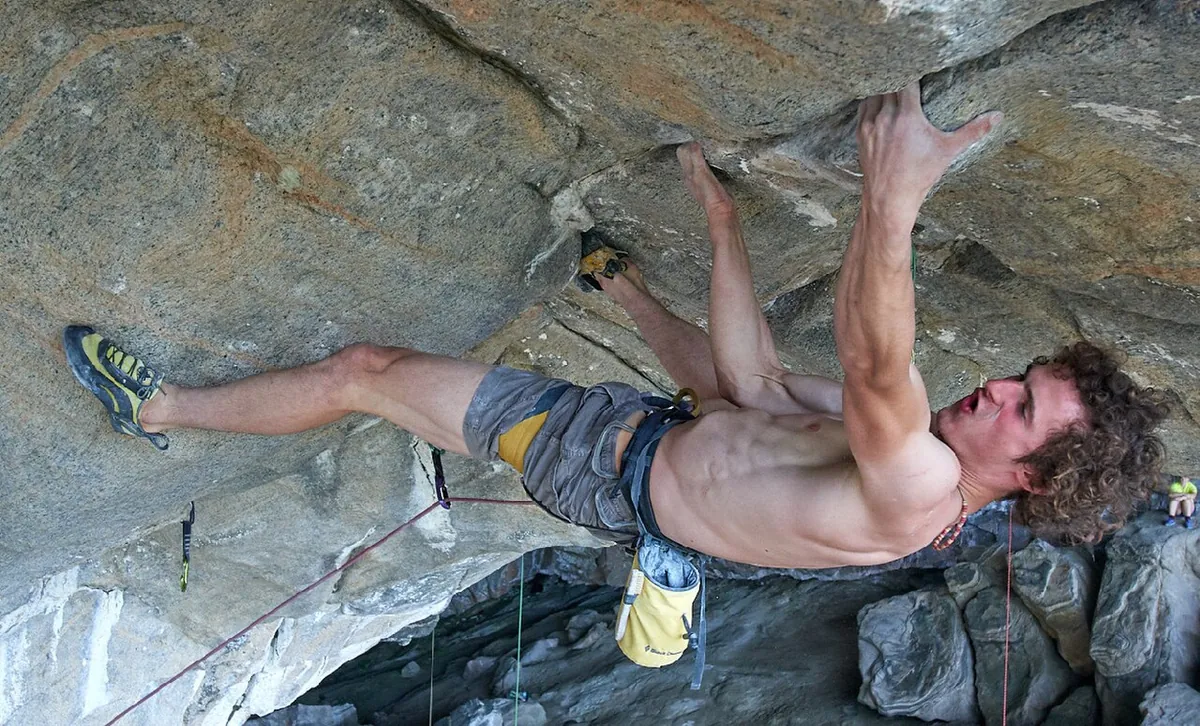
A static approach builds a stable position before moving a hand, foot or the body. It can improve control, but may require the climber to maintain force for longer. If the gap is too large or a position cannot be sustained, insisting on a static solution can consume energy without making the movement possible.
Dynamic movement uses momentum
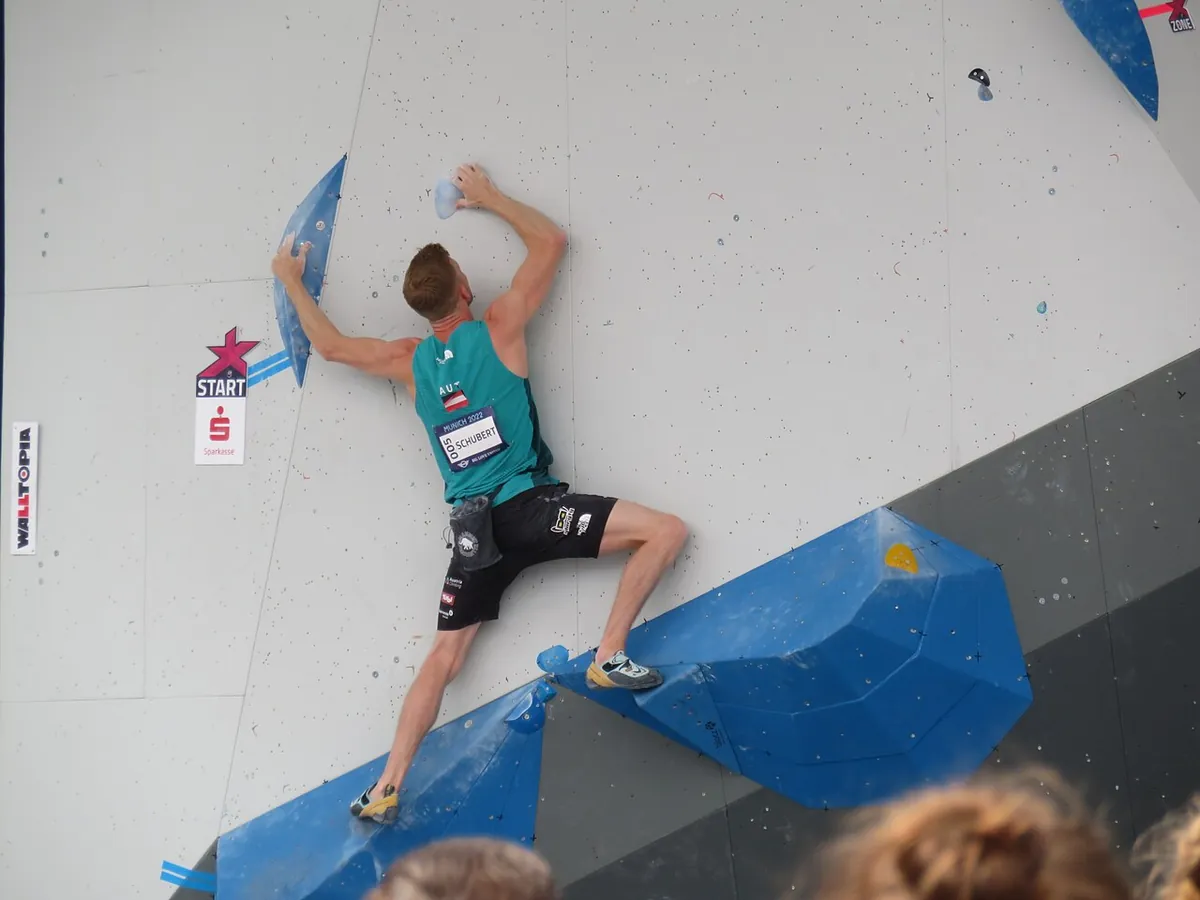
A dynamic sequence coordinates the legs, body swing and launch to reach another position. Distance alone does not determine success: arrival direction and speed must suit the target hold. Watch how the movement begins and how the athlete controls the remaining swing after contact, rather than only estimating how far the jump travelled.
Bodies create different options
Height, reach and the distribution of strength influence the most suitable solution. One climber may reach directly while another uses a dynamic action, but both still need to establish the required control. Different successful methods reveal that climbing is not about copying one ideal pose; it is about solving a shared spatial problem within the rules.