Lead climbing asks athletes to progress along a prescribed route while sustaining a demanding physical effort. Viewers often focus on the last hold reached and overlook the way earlier movements shape that outcome. Following the entire ascent reveals the interaction between footwork, pace, route reading and the load accumulating in the climber's arms.
Feet share the work
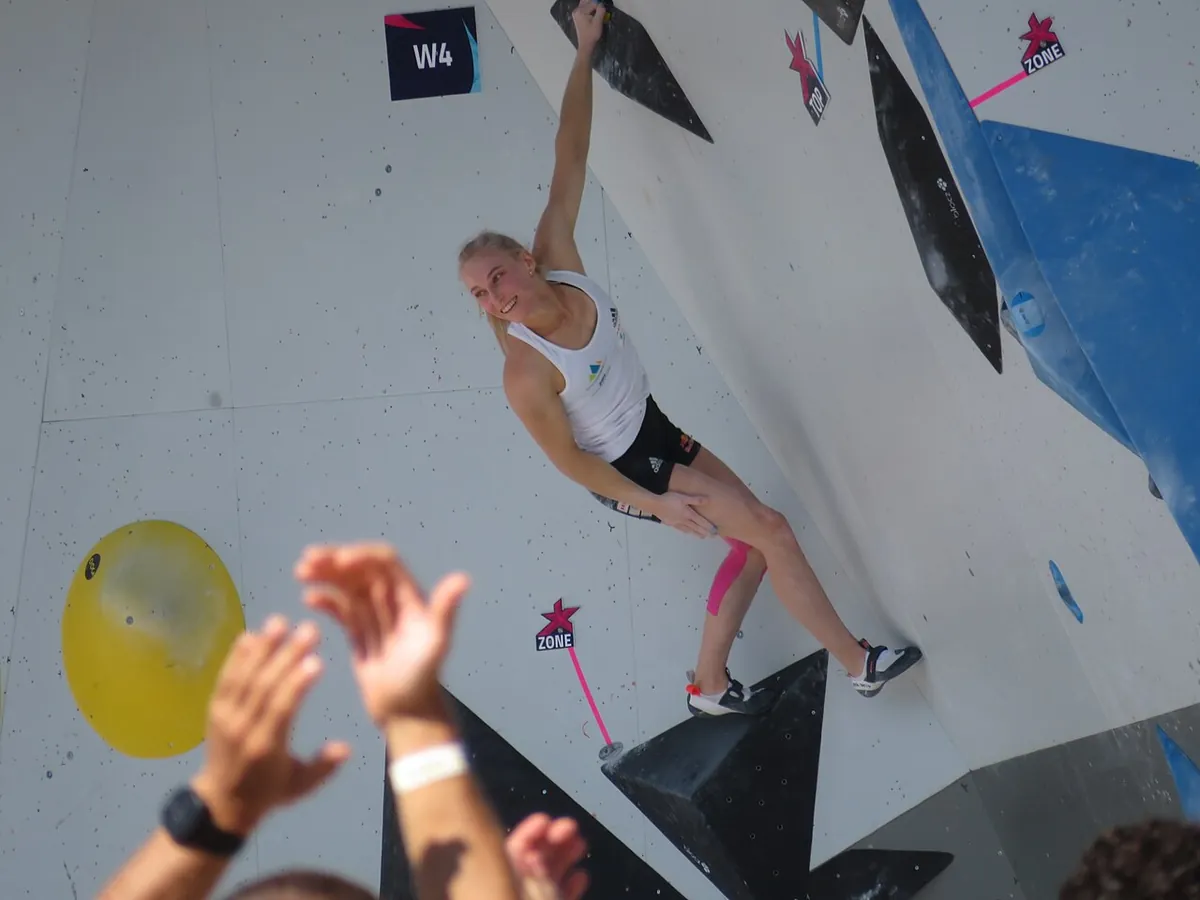
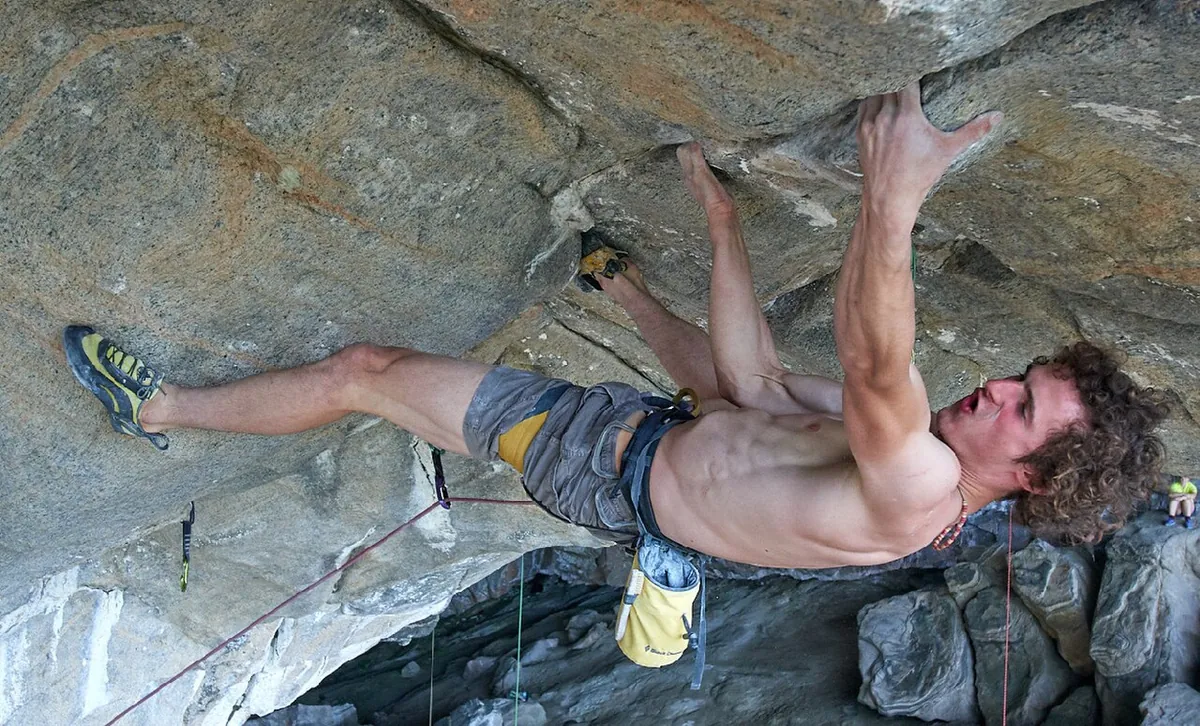
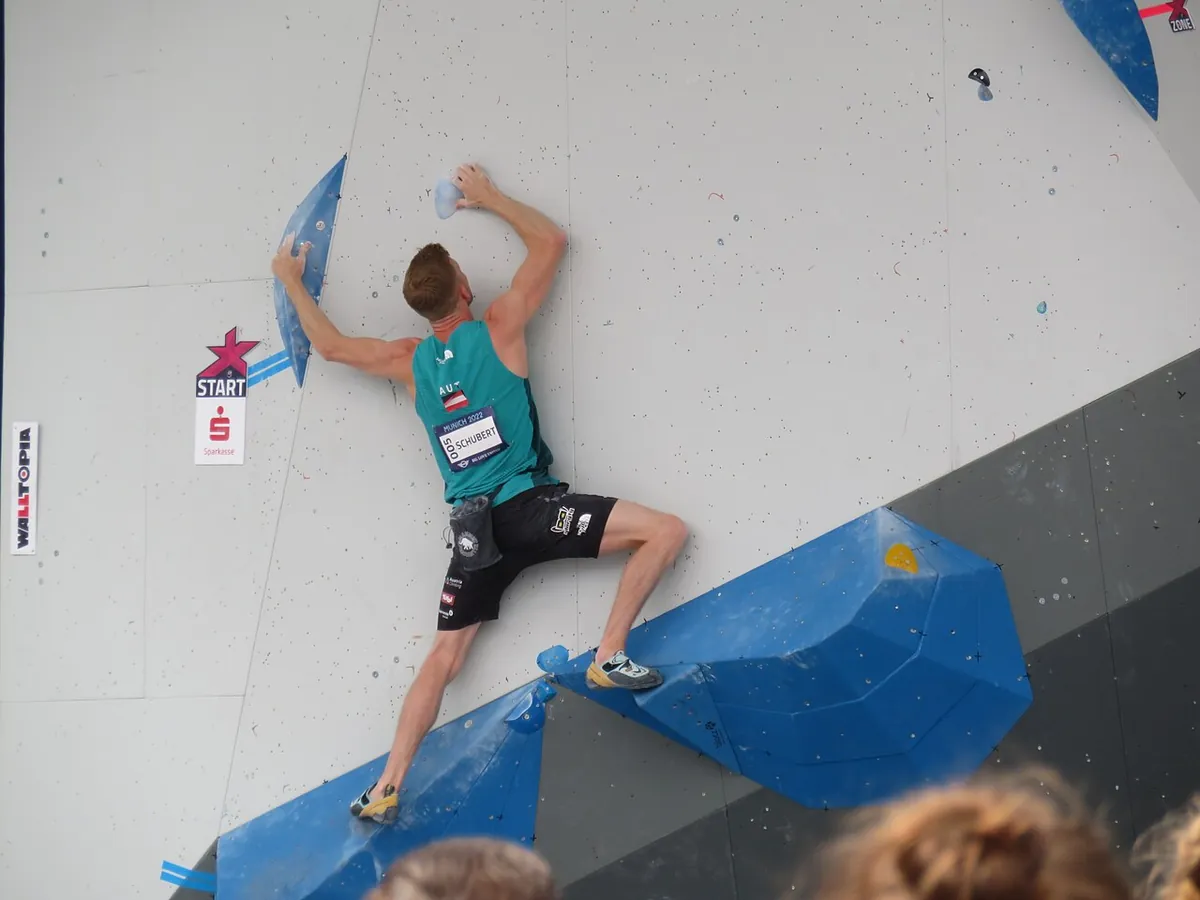
Hands are only part of the support system. Foot placement and hip position determine how much force the arms must supply. Moving closer to the wall or rotating appropriately can make a difficult action more economical. Notice whether the climber places the feet before moving a hand, and whether repeated adjustments are quietly consuming energy.
A pause may still cost energy
Some positions offer useful recovery; others look secure while continuing to load the arms heavily. The climber weighs the information gained from studying the next movement against that additional effort. Moving too quickly can produce a misreading, but excessive hesitation can exhaust the available strength. The appropriate rhythm changes with the route.
Control determines recognition
Results depend on the movements and positions recognised under the rules, rather than the simple height of a hand above the ground. Holding a grip and making progress towards the next can involve different assessments. When results are close, consult the official record and applicable rules instead of substituting one camera view for the technical decision.