Figure skating does not display difficulty only when an athlete leaves the ice. Inside and outside edges, turns and linked steps form the technical language of skating itself. Once these movements become visible, two athletes completing similar jumps can still look very different in speed and control. The connecting sections are therefore essential parts of watching a programme.
Edges shape the path
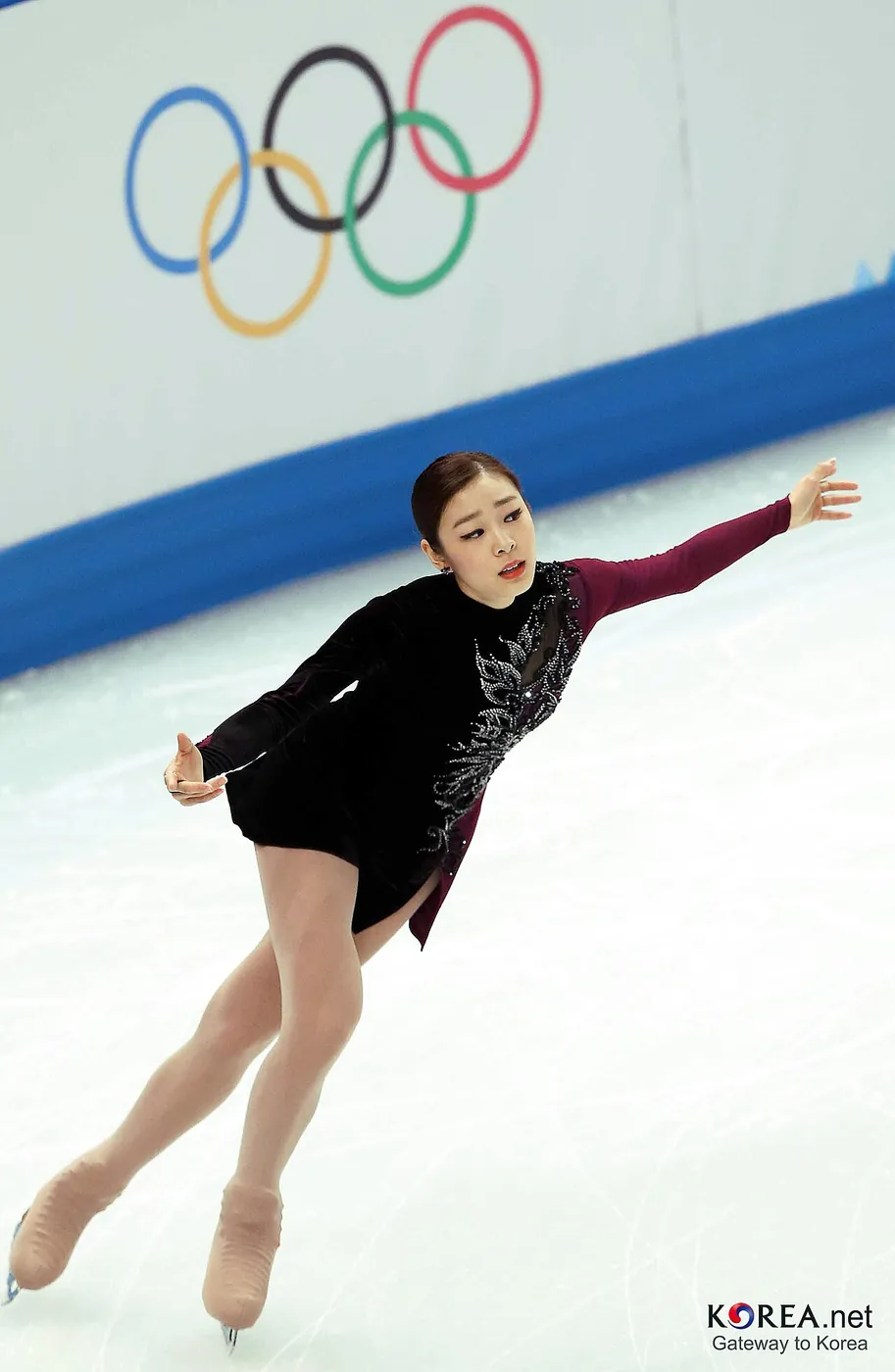
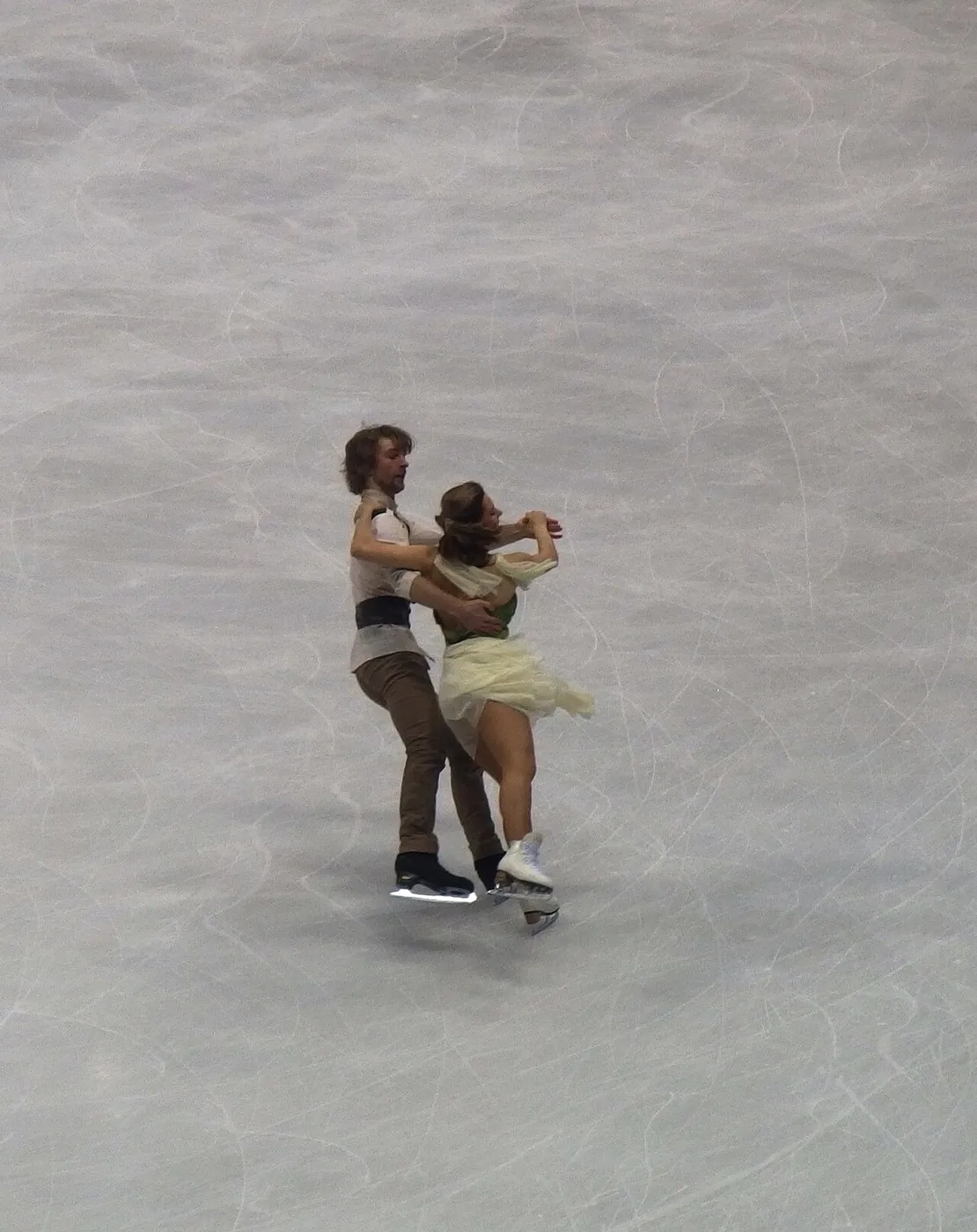
Balance and blade inclination create the curve on the ice. Effective edge work keeps that curve controlled at speed; leaning the body dramatically is not an achievement on its own. Wide camera views reveal whether the skater follows a clear path and whether an extra push or correction is needed to complete a change of direction.
Turns organise movement
Three-turns, brackets and other turns change direction and the relationship between the edges. A step sequence combines them with music and a planned path. New viewers need not memorise every name immediately. Begin by observing clarity, continuity and whether the skater shows comparable control when moving and turning in different directions.
Quality extends through the programme
Steps are not merely a decorative section between the main attractions. The connections also reveal basic ability. Long preparations before every difficult element can make a programme feel fragmented. Looking away from the jumps shows how speed, curves and body movement sustain the musical structure across the entire performance.