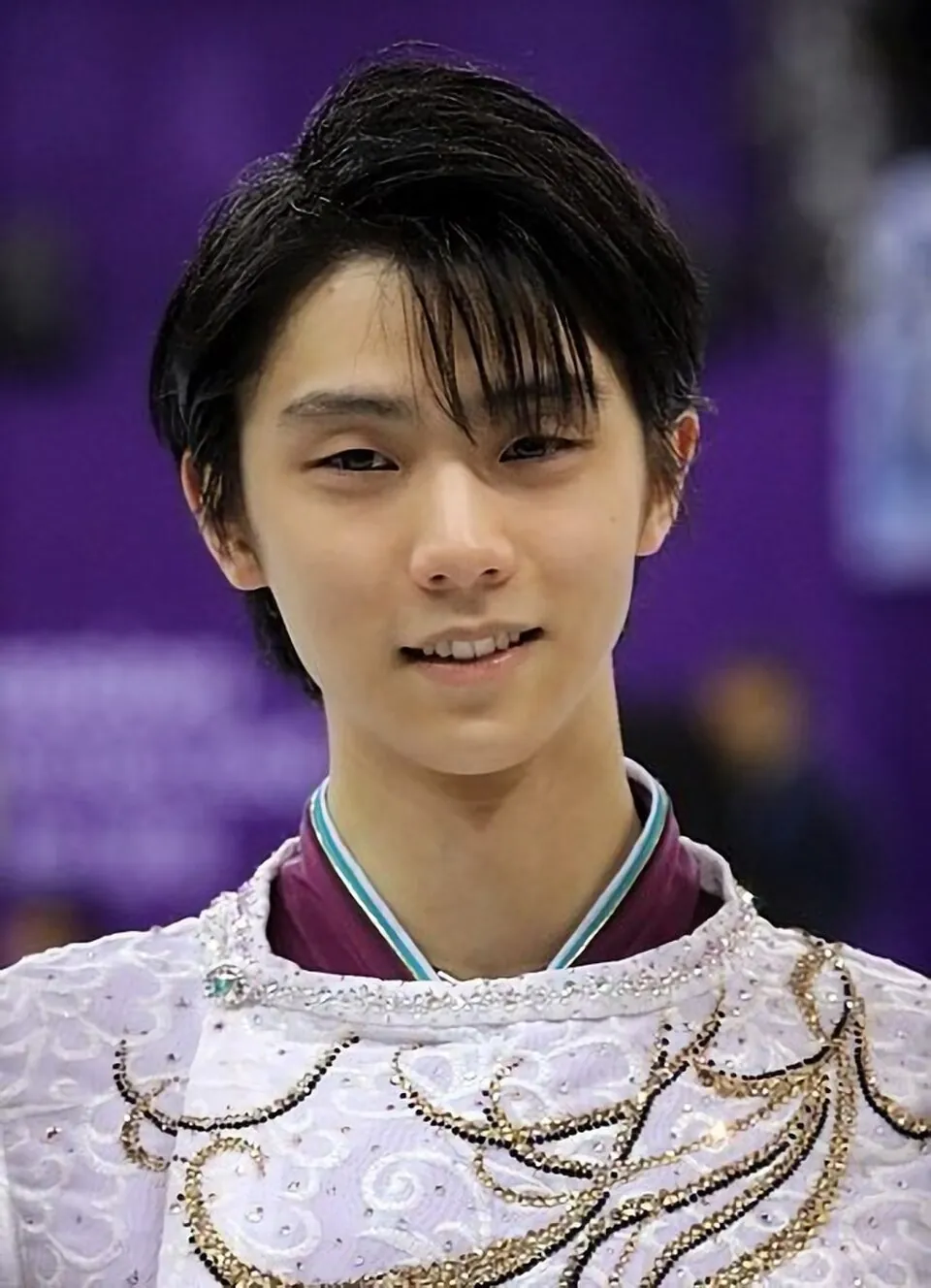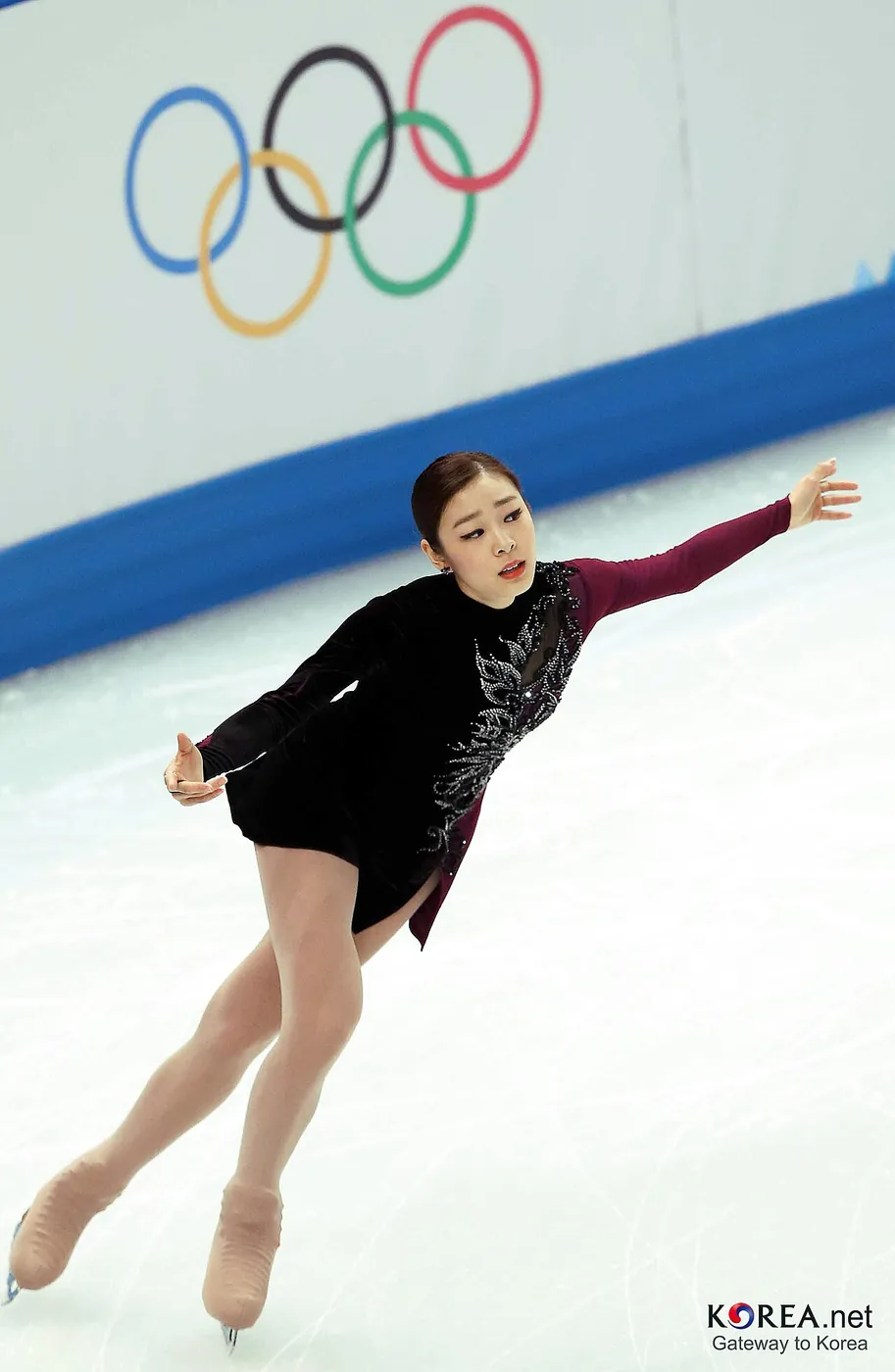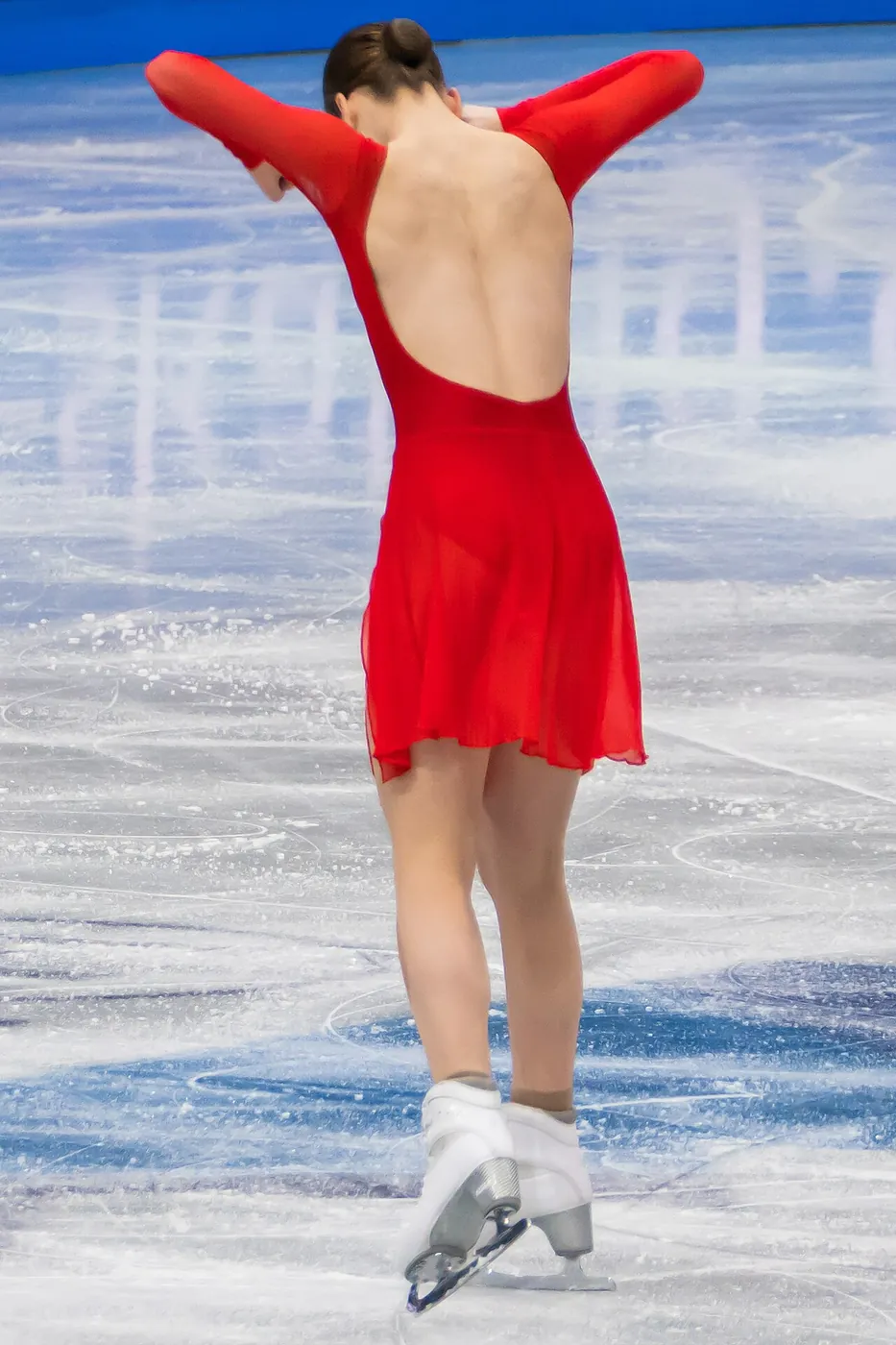
Singles and pair competitions usually include a short programme and a free skate, with both contributing to the final result. The short programme is not simply a shorter version of the free skate. They differ in required content, duration and scope for construction, and the exact requirements depend on discipline, age category and season.
The short programme
The short programme asks skaters to complete specified kinds of elements within a compact framework. Missing a requirement or failing to execute it as required can have a substantial effect. The format tests preparation and the ability to establish a rhythm quickly, with little room for a long recovery after an early mistake.
The free skate
A longer programme and more technical content place greater emphasis on energy distribution and element order. Watch where the difficult elements are positioned, how the music develops and whether skating quality survives later in the performance. The word free does not mean unrestricted: permitted repetitions and the arrangement of content still follow defined rules.
The combined result
A short-programme leader can be overtaken in the free skate, while another athlete can use the longer segment to climb the standings. Distinguish a segment score from the combined total on the broadcast. A useful account explains both performances and relevant deductions, rather than presenting the final placing as if it describes a single uninterrupted skate.