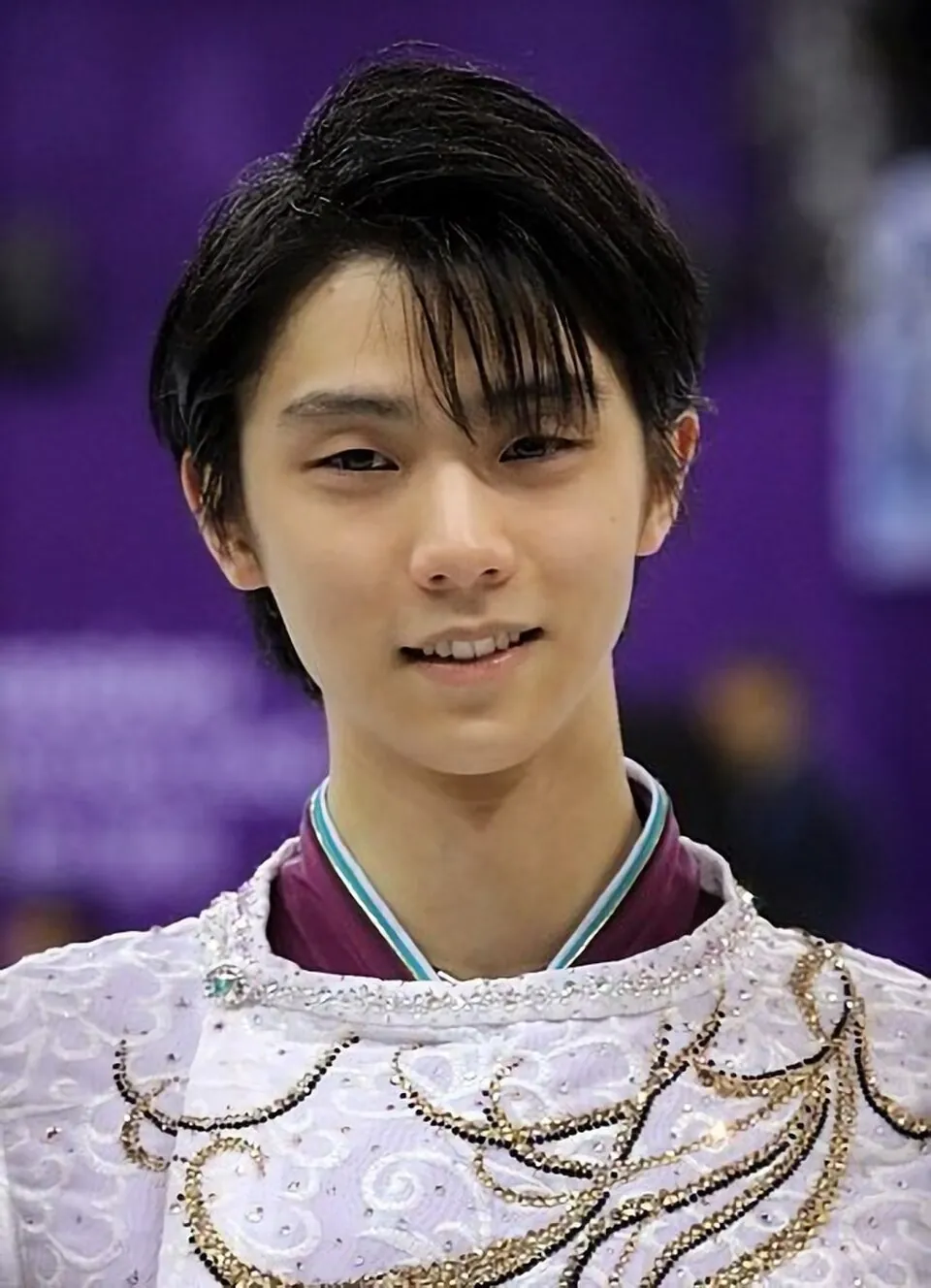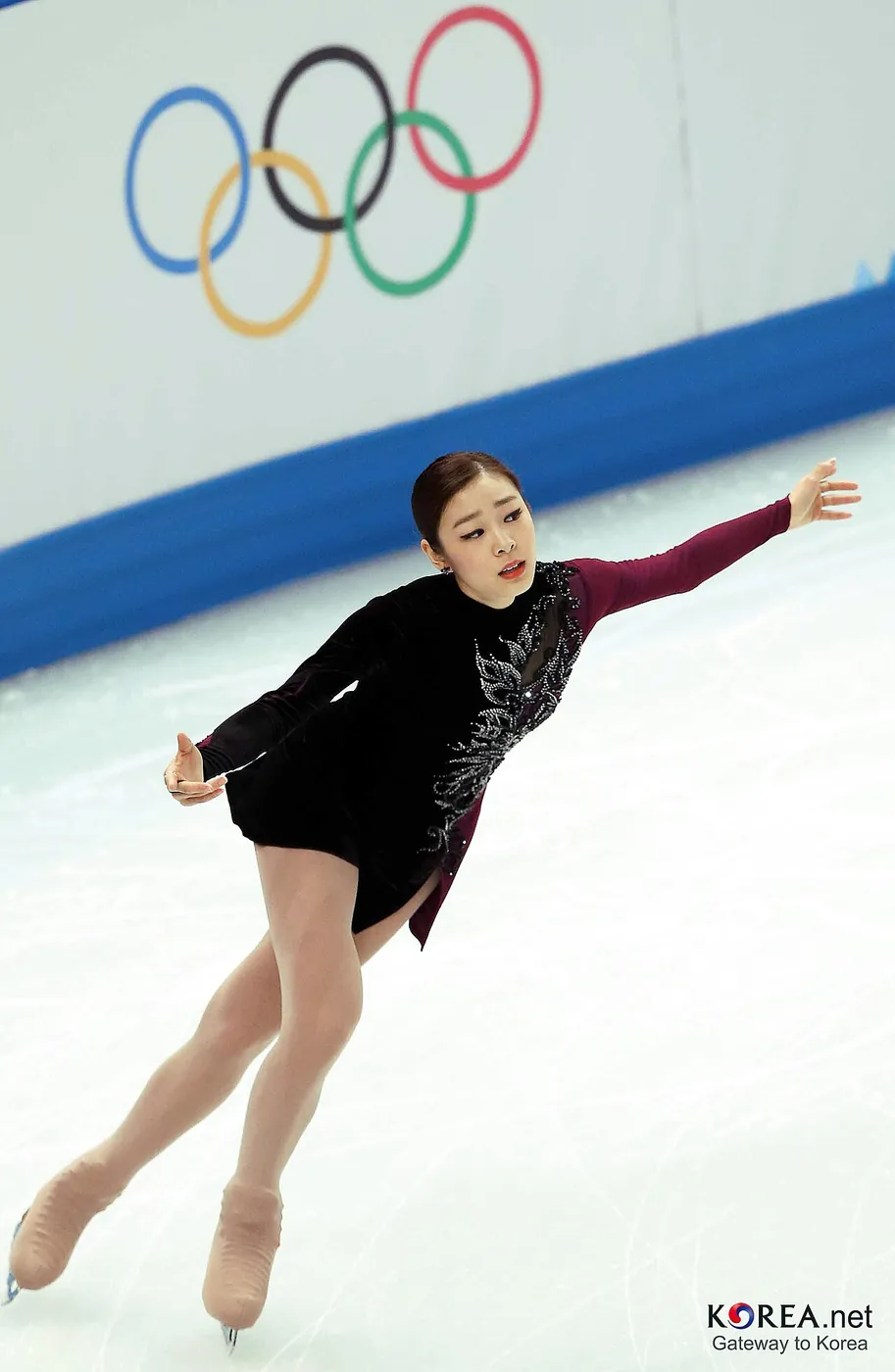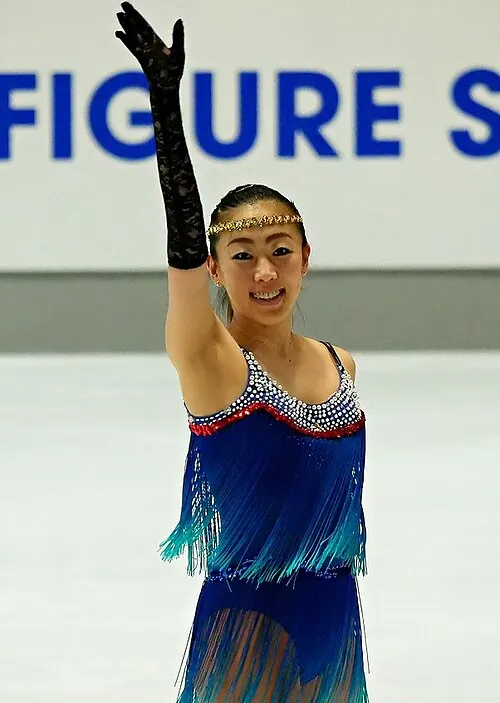
A figure skating spin may occupy only a small area of ice, but it combines position, rotation speed, centring and the movements used to enter and exit. It cannot be assessed simply by asking whether it is fast or visually unusual. ISU technical requirements define features and levels, with the relevant season's handbook supplying the precise detail.
Positions and changes
Basic positions such as upright, sit and camel create different physical structures. Changes of foot, position and recognised features can build a more complex element. First observe whether the skater establishes and holds the required position, then whether the transition is continuous. Passing briefly through a shape is not necessarily the same as maintaining it.
Centring and rotation
A controlled spin usually has a stable centre and clearly defined positions, with appropriate speed through the changes. Noticeable travel across the ice or a loss of balance can affect its quality. Close views help reveal body position, while wider views are better for judging whether the centre is drifting during the rotation.
Entry and exit count too
The approach and the return to ordinary skating contribute to the element's completeness. A spin is not just its most impressive frozen image; it includes establishing an axis, maintaining control and rejoining the programme. On the technical sheet, distinguish the recognised level from execution quality, because those two parts describe different aspects of the performance.