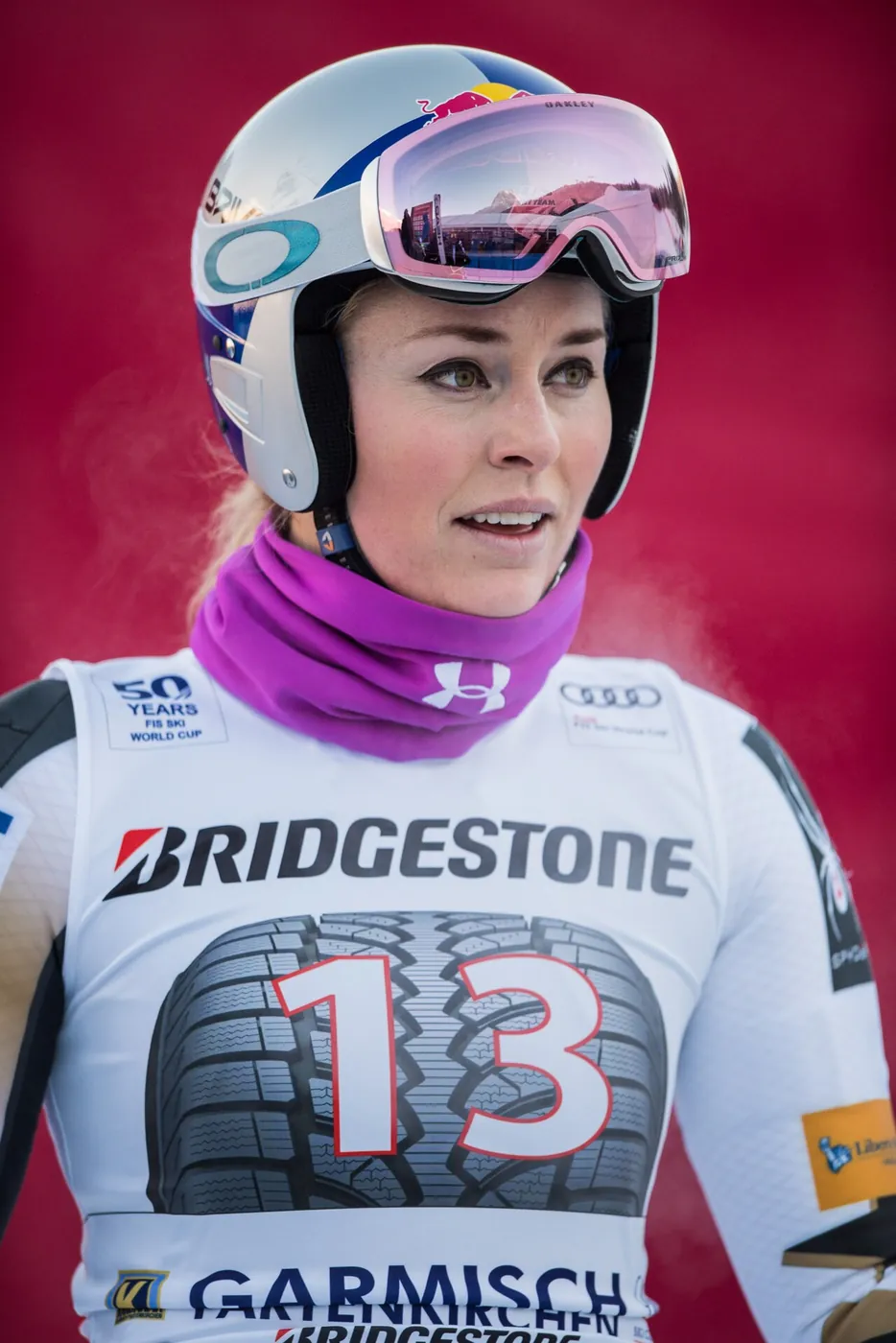
American alpine skier Lindsey Vonn is strongly associated with downhill and super-G, the sport's speed disciplines. A speed reading alone does not explain their difficulty. Changes in terrain, visibility and snow interact with fast turns, giving the athlete little time to respond. Her races provide a useful way to study how preparation and movement work together at pace.
Vancouver in context
Vonn won the women's downhill gold medal at Vancouver 2010. That achievement is a clear historical point from which to explore her sporting strengths. Downhill and slalom impose different demands: downhill involves a longer route and high-speed terrain changes, while slalom concentrates on frequent turns and rapid shifts in rhythm.
The whole line matters
A compact tuck can reduce air resistance, but the skier must become more active when a turn or change in terrain requires it. A poor line in one corner can reduce speed well beyond that corner. Watch how Vonn moves between a streamlined position and the adjustments needed to keep the skis under control.
Respect the competitive setting
Elite alpine racing takes place with specialist courses, preparation and support. Race footage should not be treated as a universal lesson for recreational skiing. Discussion of injury or a return to competition needs confirmed information and should not turn competing while injured into a general ideal. Judgement about conditions is also part of sporting professionalism.