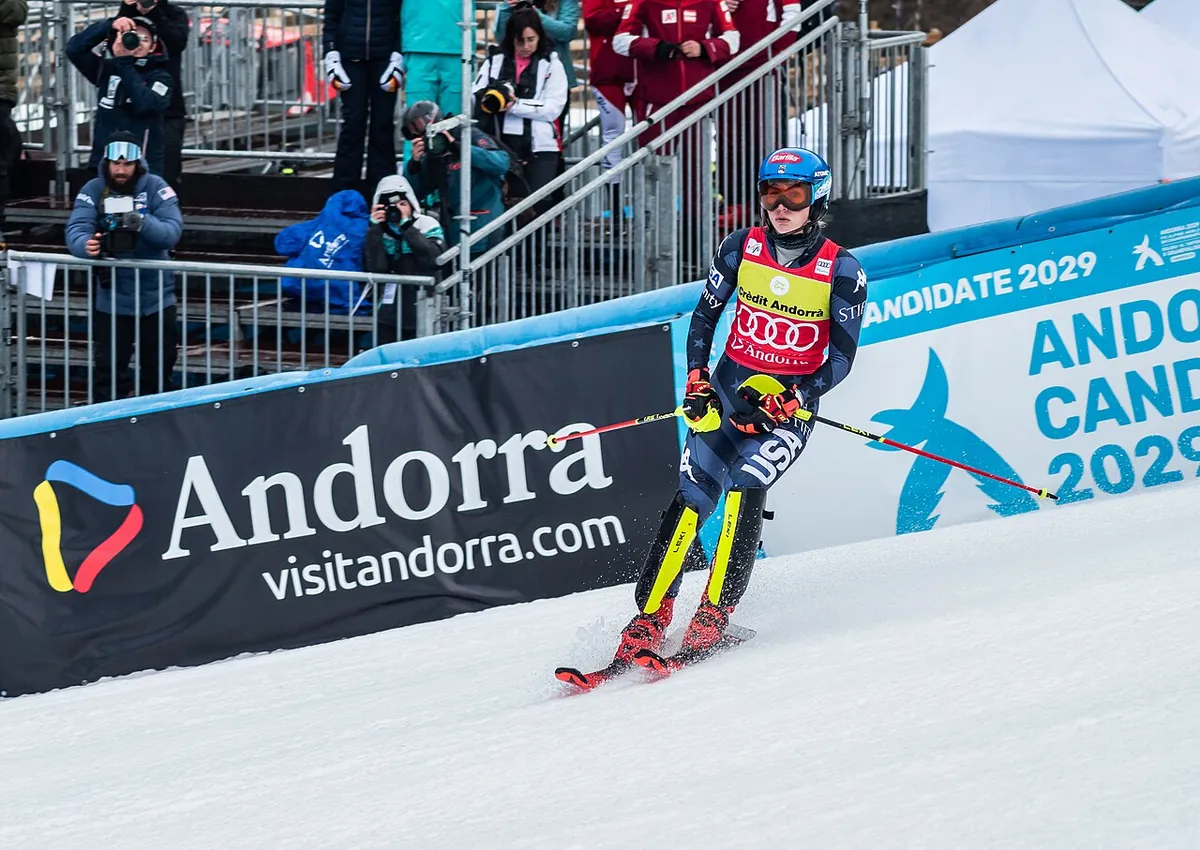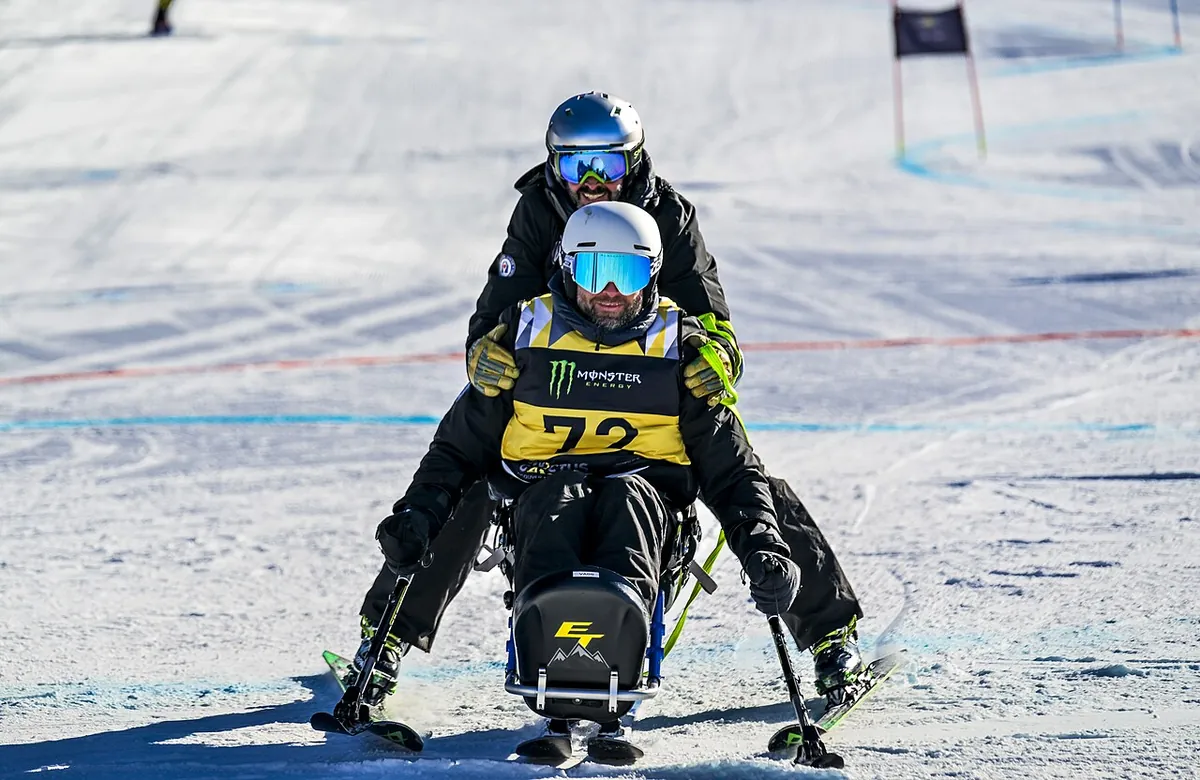
Downhill, super-G, giant slalom and slalom use different course designs and emphasise different skills. All require athletes to pass the gates correctly, but they are not simply longer or shorter versions of one race. This introduction uses the FIS alpine framework to establish a map of the disciplines before examining the details of an individual course.
The speed disciplines
Downhill generally features a long course with pronounced terrain changes, demanding fast gliding, cornering and control through sections that may include jumps. Super-G combines speed with more turning demands. Both reward anticipation and line knowledge, while exact course requirements and competition procedures depend on the level and applicable rules.
The technical disciplines
Slalom requires especially frequent changes of direction and rapid edge transitions. Giant slalom uses more open arcs and demands sustained control at higher speed. A viewer can begin distinguishing them by looking at gate spacing and the rhythm of the skier's turns, rather than relying only on the apparent steepness of the slope.
Formats change what to watch
At major levels, slalom and giant slalom commonly use the combined time from two runs. Downhill and super-G are usually settled by one competitive run. A first-run lead therefore has a different meaning from a final result. Special formats and team events have their own arrangements and should be checked separately.