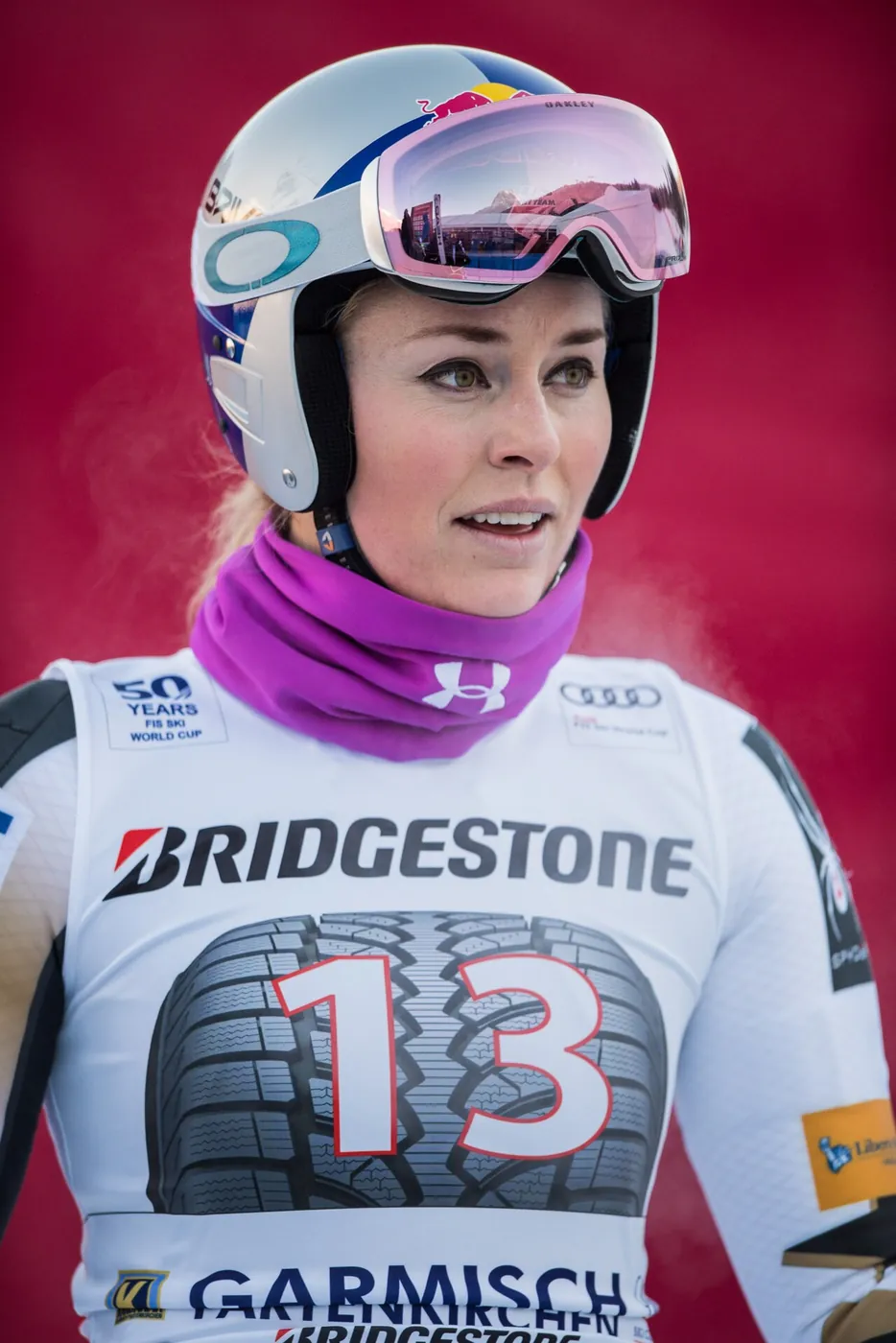
American alpine skier Mikaela Shiffrin is closely associated with success in slalom and giant slalom. Her career offers an introduction to the central problem of technical racing: producing one attractive turn is not enough. The skier must repeatedly control the line, change edges and preserve rhythm, joining each movement to the next while managing the pressure of competition.
Olympic reference points
Shiffrin won the women's slalom at Sochi 2014 and the women's giant slalom at PyeongChang 2018. Both events depend on turning skill, but their gate arrangements and rhythms differ. Naming specific events and years provides a dependable historical framework without presenting a changing career total as an unalterable fact.
Continuity is the key
Slalom demands rapid changes from one edge to the other while the upper body remains comparatively controlled. Giant slalom requires longer arcs and sustained support through the outside ski. In Shiffrin's races, watch whether the preparation for the next turn is already underway as she passes the current gate.
Mistakes also reveal the task
A small error in line can grow through the following gates, and even leading skiers sometimes fail to finish. One unsuccessful run is therefore not a complete description of ability. A fuller assessment considers adaptation to snow conditions, adjustments between runs and the underlying technique visible across many competitions.