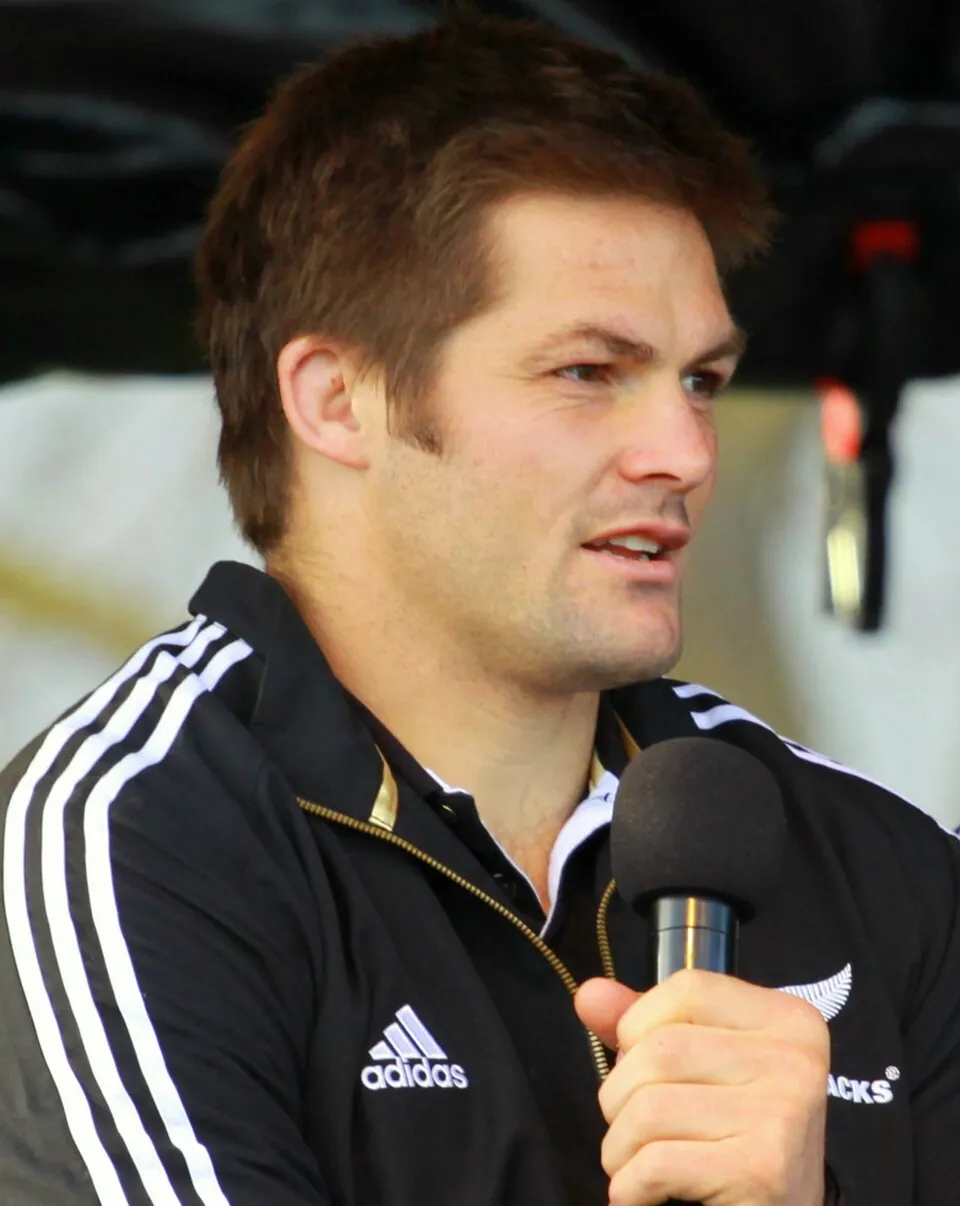
Richie McCaw captained New Zealand to men's Rugby World Cup titles in 2011 and 2015 and entered the World Rugby Hall of Fame. Compared with a winger's long break, a flanker's contribution often unfolds in crowded areas. Careful observation is needed to see the decisions connecting one phase to the next.
Arrive with the right legal opportunity
After a tackle, players must respond to the ball and bodies within the rules. A flanker judges whether to contest possession, protect a teammate or recognise that the contact has developed into another phase. Arriving early does not permit every action; the body position and the status of the contest still govern what is possible.
Defence requires repeated participation
After completing a tackle, a player must recover, reposition and rejoin the next defensive arrangement. Repeating these small actions affects whether the team can retain its width and pressure. One turnover is memorable, but following several phases reveals how continued availability supports the defence between those obvious interventions.
Leadership connects decisions and communication
A captain communicates with officials and helps teammates understand the immediate task. Committing to the breakdown or preserving numbers in the line is also a collective strategic choice. Read McCaw's individual action within that shape rather than attributing every successful passage to determination without explaining the actual allocation of responsibilities.