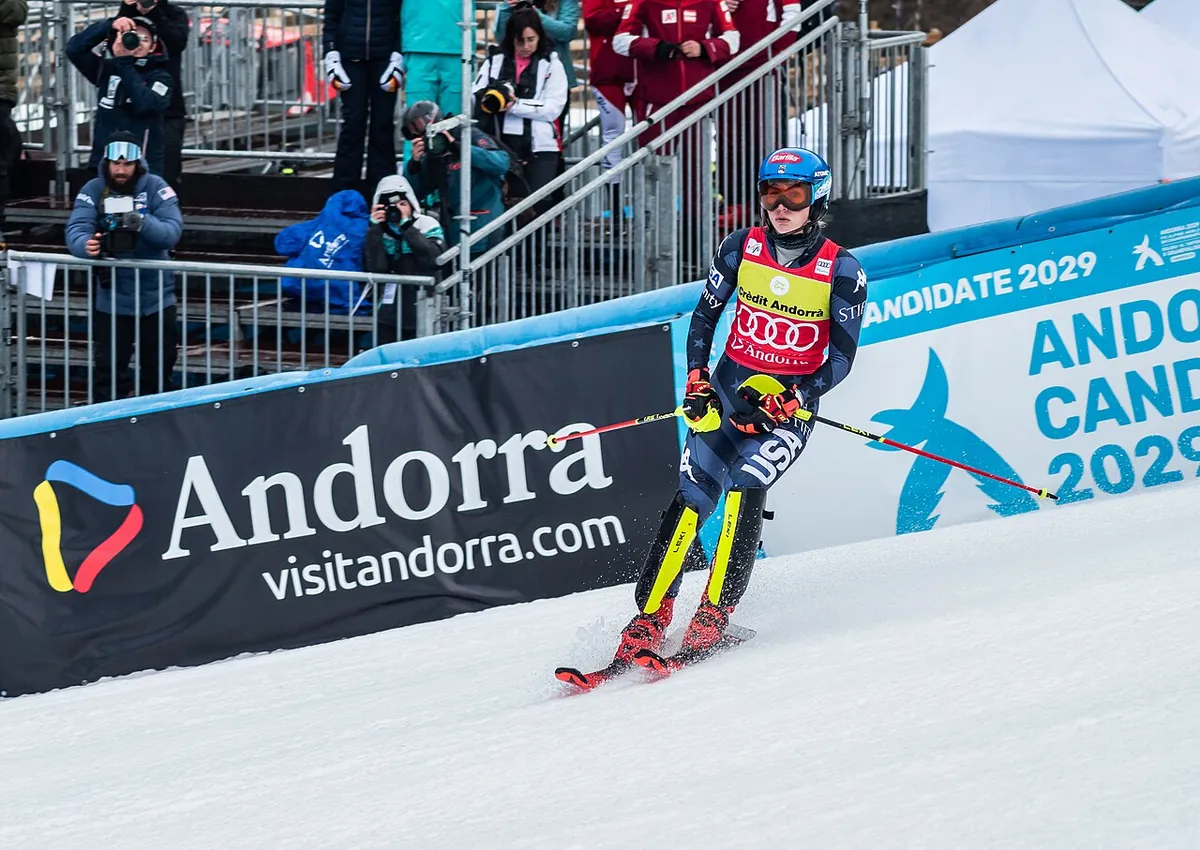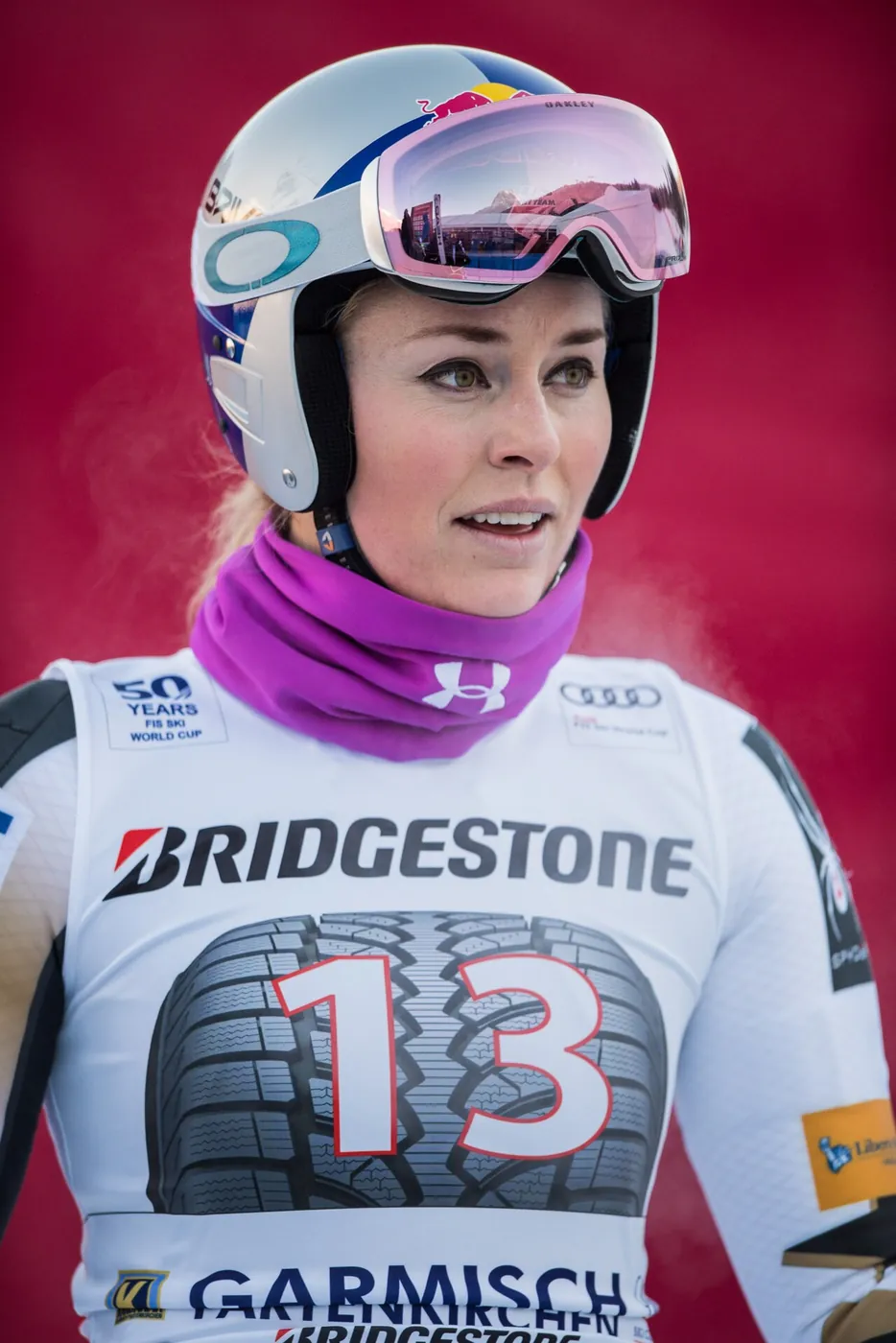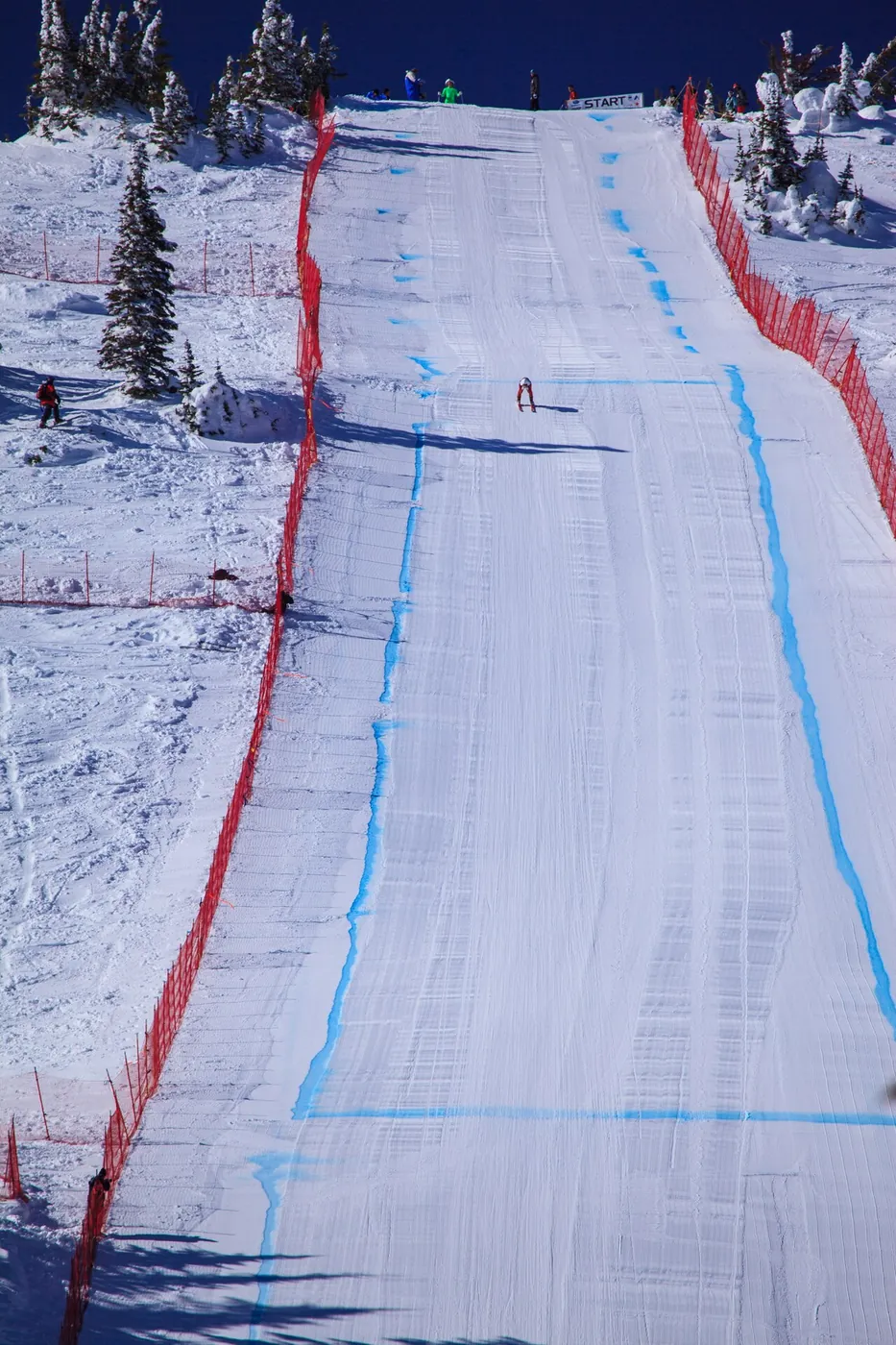
Downhill provides alpine skiing's most immediate sense of speed, yet the decisive details can be easy to miss. Changes in gradient, traverses, compressions and corner exits continually alter the forces acting on the skis. The course is best viewed as one connected system, rather than a collection of spectacular moments that can be evaluated separately.
Memory supports anticipation
At speed, a skier cannot wait until every feature is directly beneath the skis before deciding what to do. Inspection and training runs build a mental picture of the course. Wide camera views reveal where racers prepare their line and why a small mistake continues to affect speed through later sections.
Tuck or active control?
A compact position reduces aerodynamic resistance, but staying low throughout every feature is not the objective. The athlete must respond to changes in terrain to preserve contact and direction. Moving too early or too late can both cost time. What matters is whether the posture suits the section, rather than whether it looks exceptionally low.
Splits explain the result
One racer may excel in gliding sections and lose time in more technical turns. Following intermediate times helps locate the source of the final gap. Even the same named course can change between years through its starting point, layout or snow conditions, making comparisons within a single race more dependable than comparisons of unrelated finishing times.