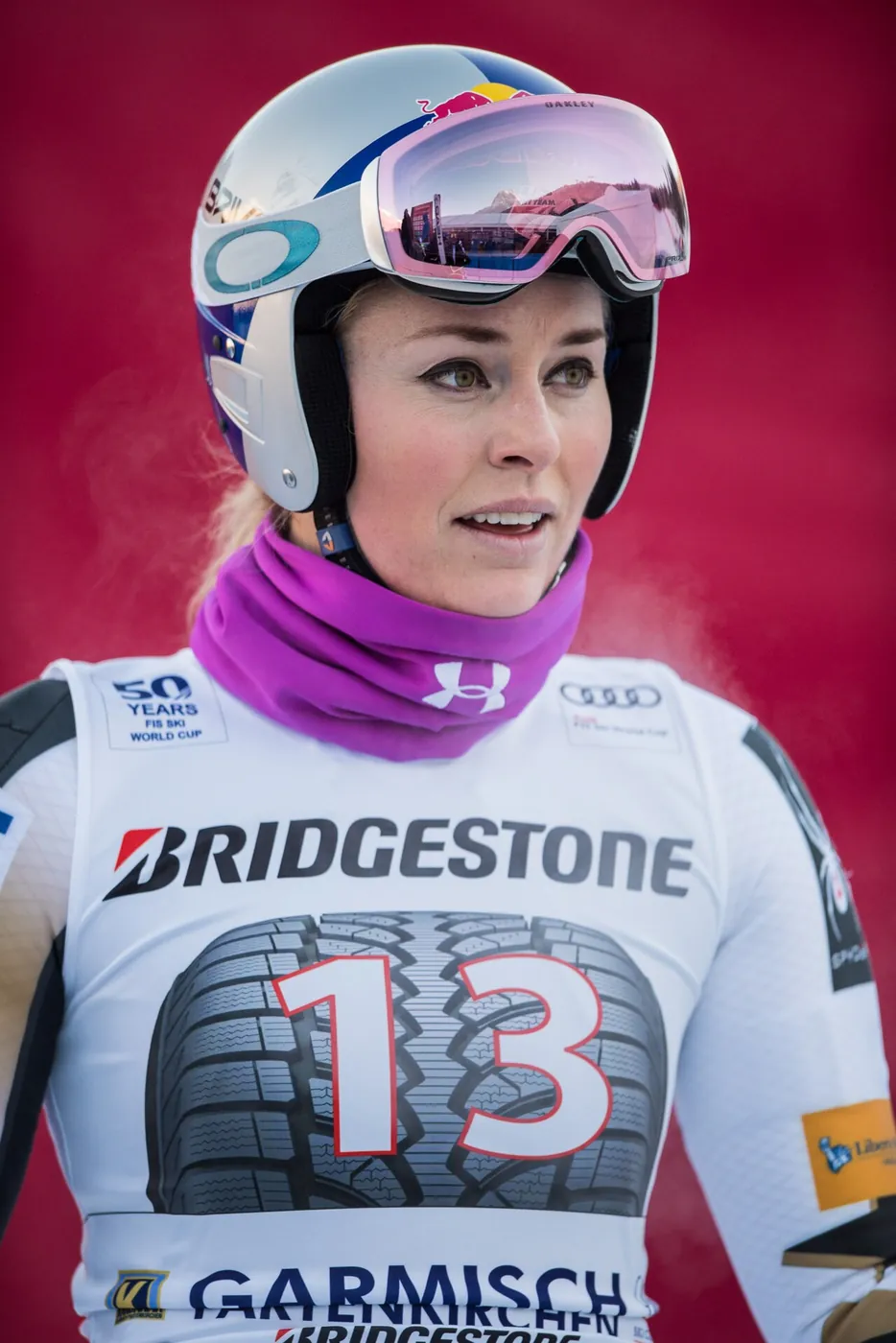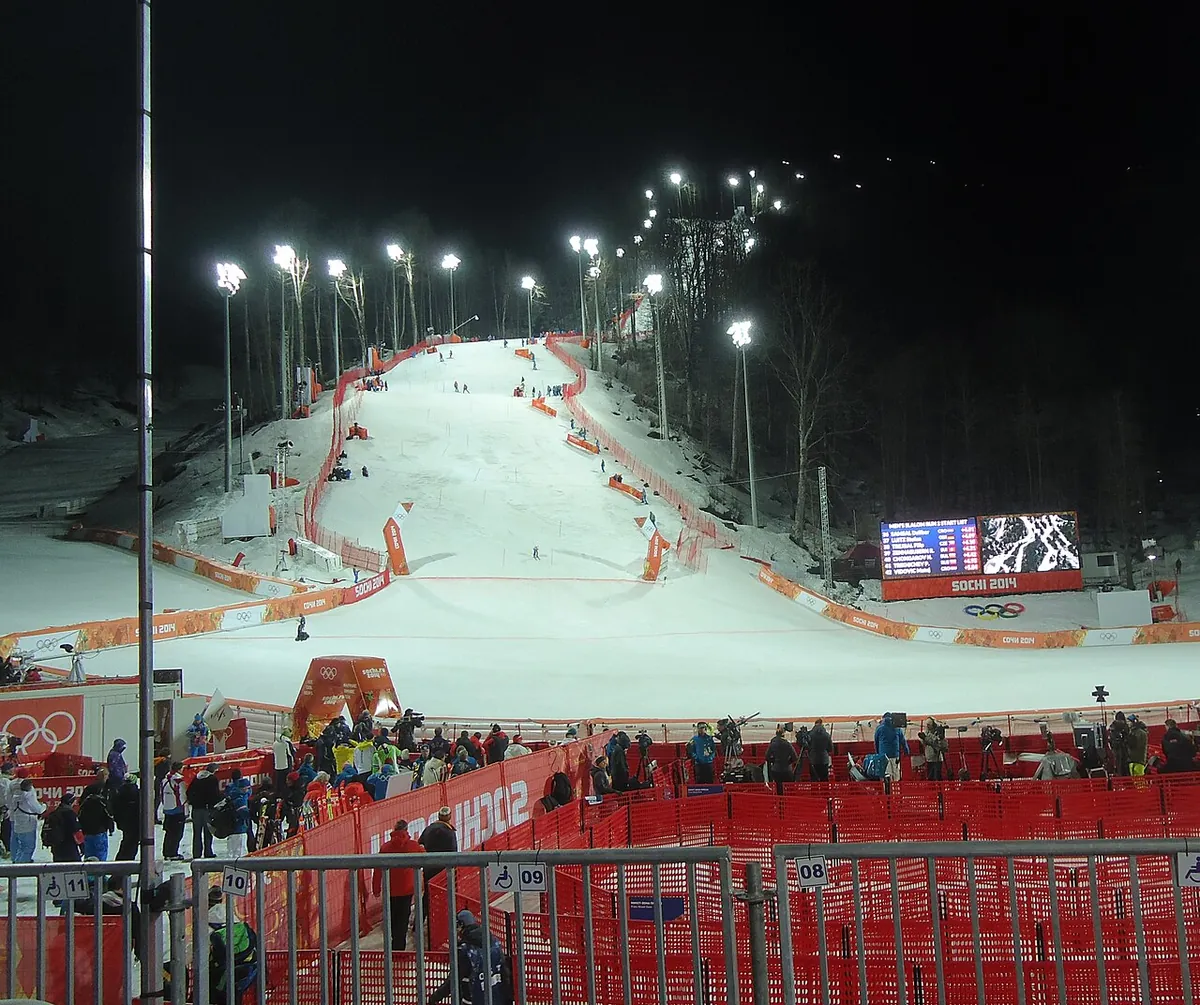
Alpine coverage regularly uses the terms World Cup champion, world champion and Olympic champion. They refer to different competitions and should not replace one another. Understanding the structure makes it possible to distinguish an achievement earned at a particular event from one built through sustained performance over an entire season.
A series across the season
The FIS Alpine World Cup consists of multiple races in a season. Athletes receive points according to their results and compete for overall or discipline standings. Winning one race is not the same as winning the season classification. A specialist may also excel in one discipline without entering every type of alpine race.
A concentrated championship
World Championships and Winter Olympics award medals through the competitions held during their particular edition. An athlete who performs consistently in the World Cup can miss a medal after one error, while another may produce an outstanding championship run. That difference follows from the format and does not make either kind of achievement meaningless.
Describe the result precisely
An athlete profile should name the year, competition and discipline, such as the women's downhill at a particular Winter Olympics. For World Cup results, specify whether the achievement was a race victory, discipline title or overall title. This preserves the meaning of the record and gives comparisons between athletes a more consistent basis.