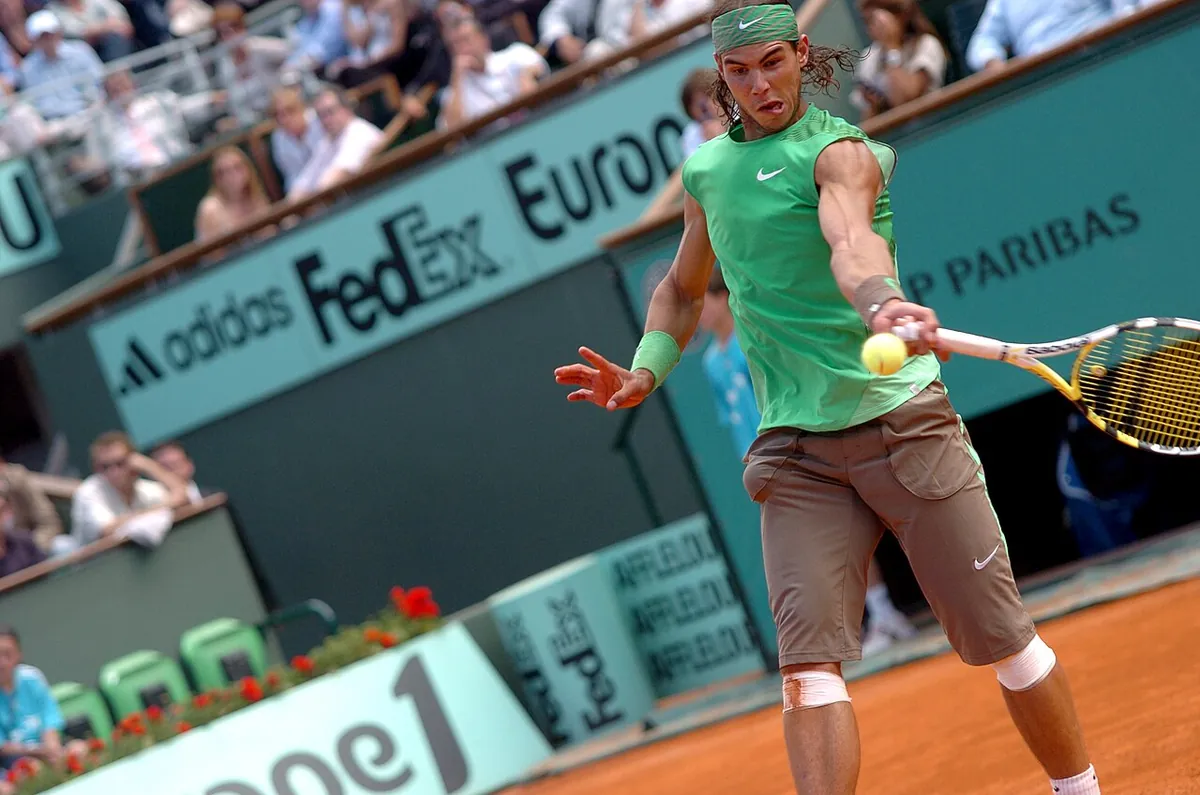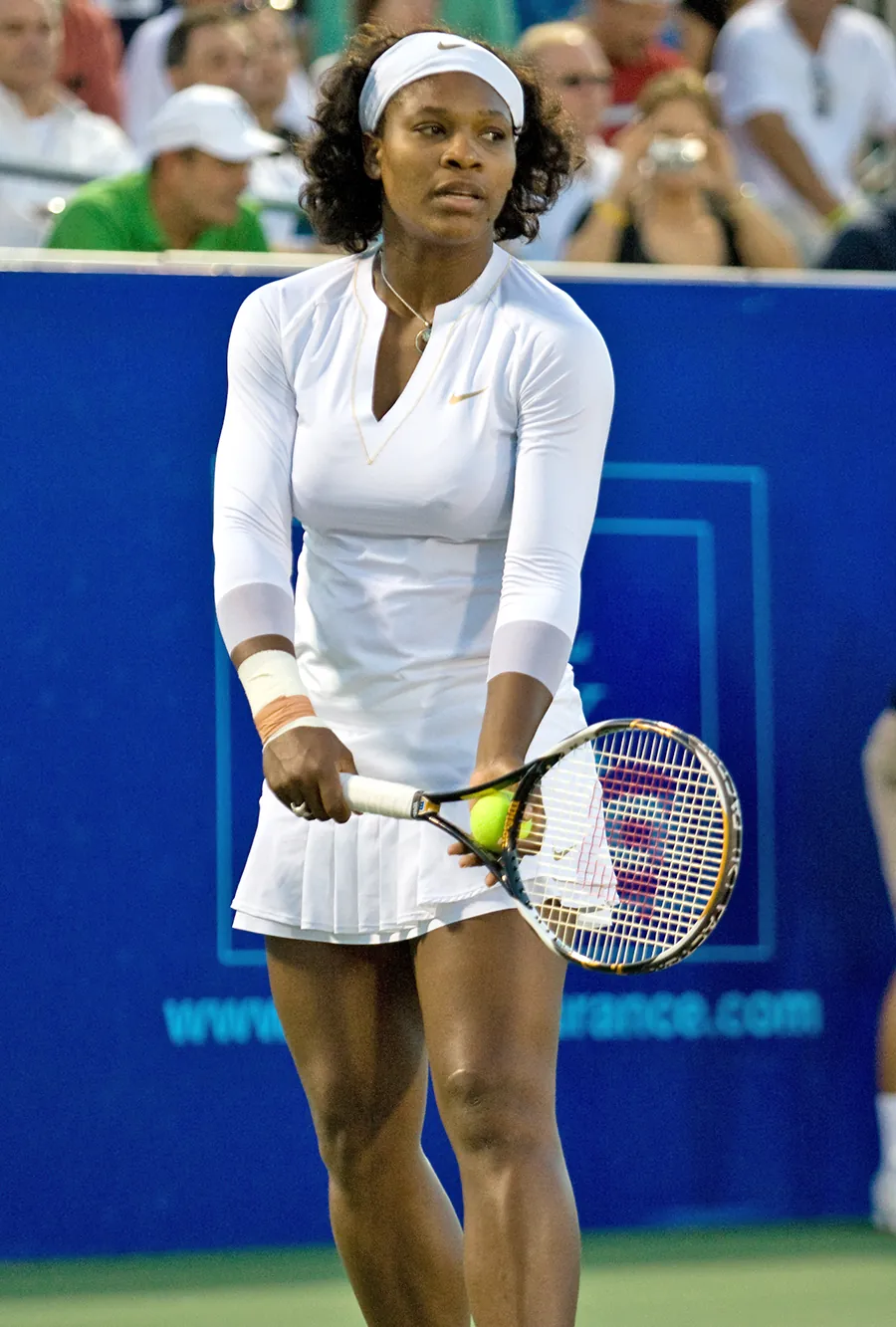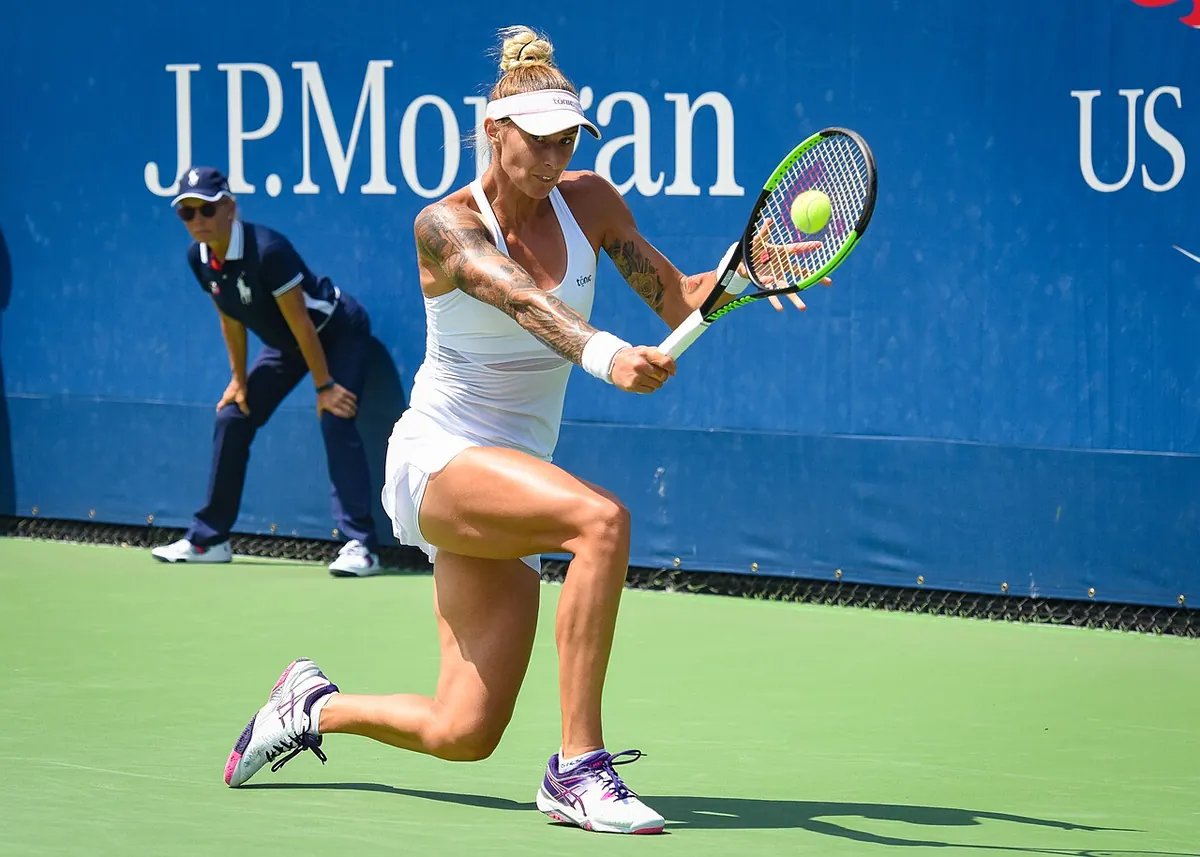
Roger Federer won twenty Grand Slam singles titles, including eight at Wimbledon. Those achievements establish the historical outline, while his matches reveal specific technical habits: early preparation, connected movements and the ability to change an attack between the baseline and the net. The smooth appearance deserves close attention rather than a vague description.
Taking the ball early changes time
Earlier contact reduces the opponent's recovery time, but it also demands accurate anticipation and positioning. Without those foundations, the player may strike while unbalanced. Watch when Federer turns his shoulders and settles for the shot. The appearance of ease often comes from work already completed before the ball reaches him.
Variation makes preparation harder for the opponent
Topspin, slice and volleys change the pace and height of an exchange. Federer's attack did not depend exclusively on immediate winners; different trajectories could force repeated adjustments. Follow the relationship between two or three consecutive shots to understand the purpose of a variation rather than treating each stroke as a separate exhibition.
Going forward requires a suitable approach
Moving to the net can shorten a point, but an unpressured opponent may have a clear passing opportunity. Evaluate the approach shot, the opponent's contact position and the angles available. This shows how attacking tennis is constructed: establish favourable conditions first, then use the resulting space on the next shot.