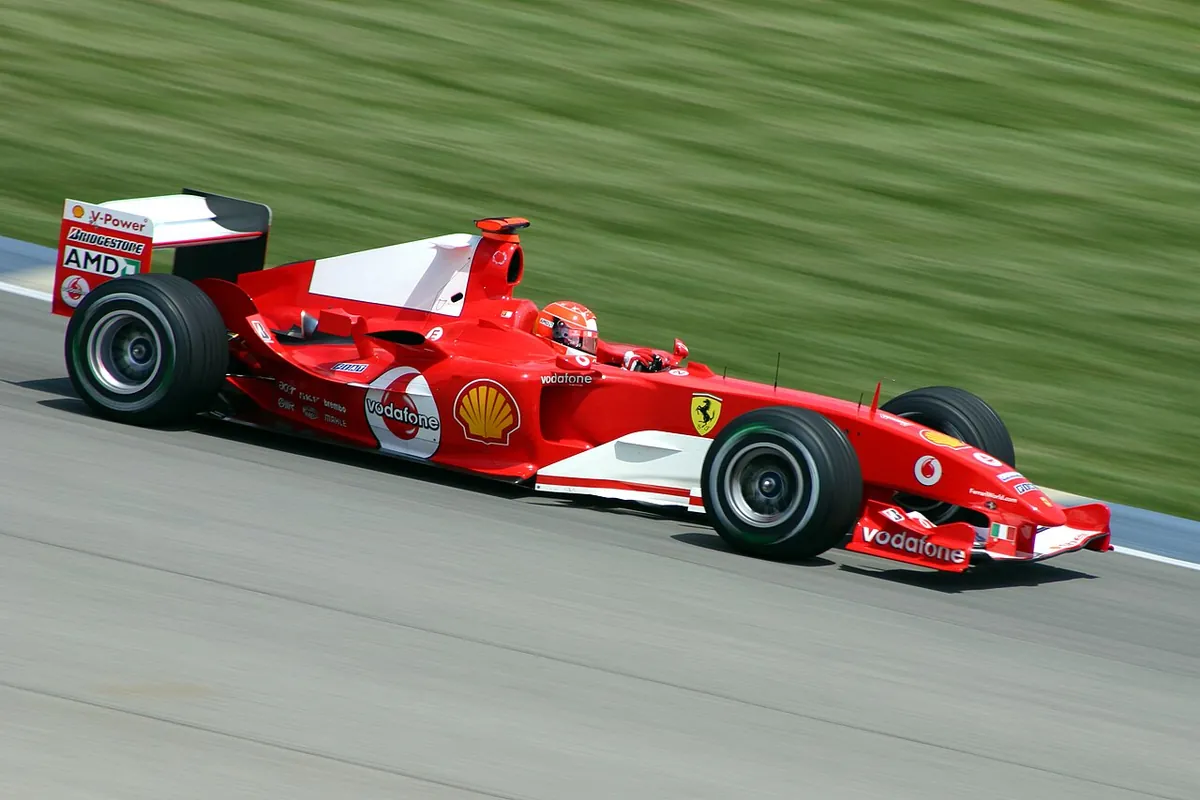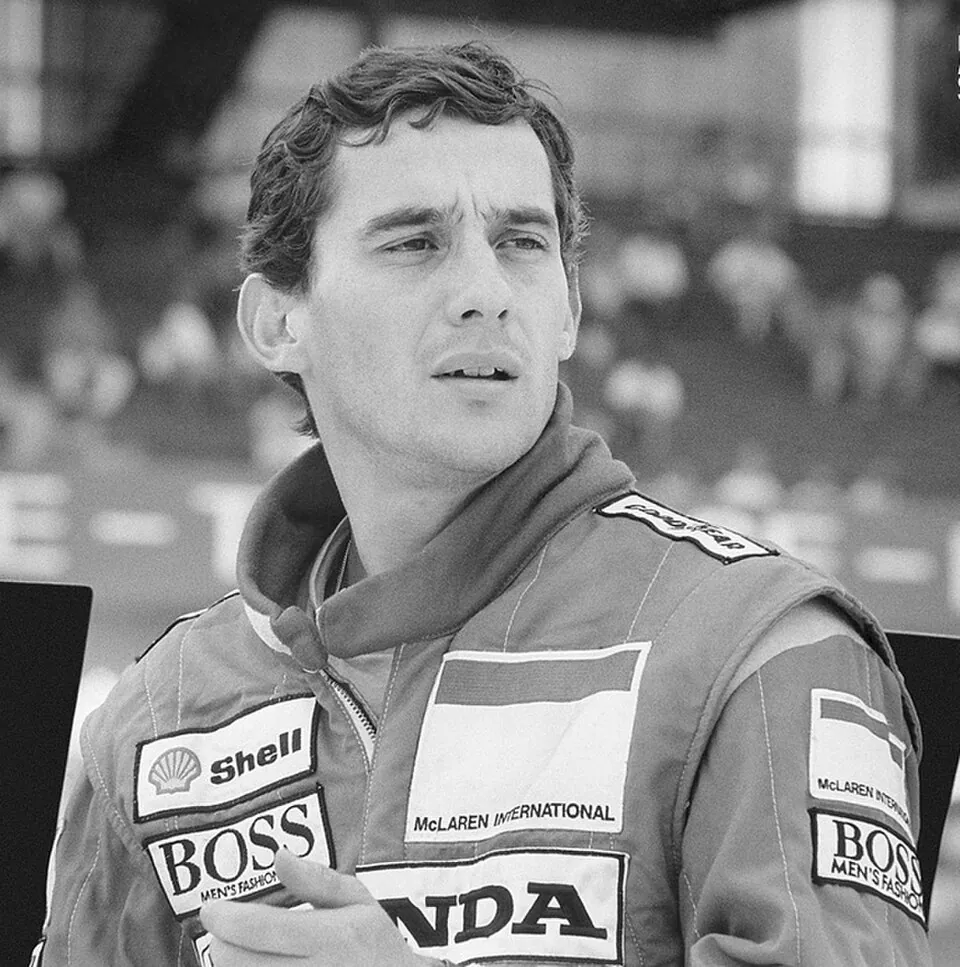
Brazilian driver Ayrton Senna remains one of the most recognisable names in Formula One history. His performances, rivalries and death in 1994 form part of a sporting memory that continues beyond the results themselves. A useful introduction starts with verified records and the circumstances of his era, while recognising why safety is inseparable from the history of racing.
Three championship seasons
Senna won the drivers' world championship in 1988, 1990 and 1991, all with McLaren. Those years establish a clear historical framework. His rivalry with Alain Prost also shows how drivers using comparable machinery can approach a season differently, balancing outright speed, consistency and tactical priorities rather than pursuing an identical version of success.
One lap and an entire race
Qualifying rewards a highly precise lap within a limited opportunity. Racing adds tyre use, traffic and strategy. Senna's single-lap performance attracts particular attention, but pole positions cannot describe everything a driver does. Compare his choices across dry and wet conditions and at different stages of a tyre stint.
Memory and responsibility
Senna died following an accident at the 1994 San Marino Grand Prix. Revisiting that event calls for accuracy and respect, rather than romanticising danger. The appeal of motorsport lies in high-level competition within rules; improvements in protective structures, circuits and medical response are part of the foundation that allows the competition to continue.