 Formula One
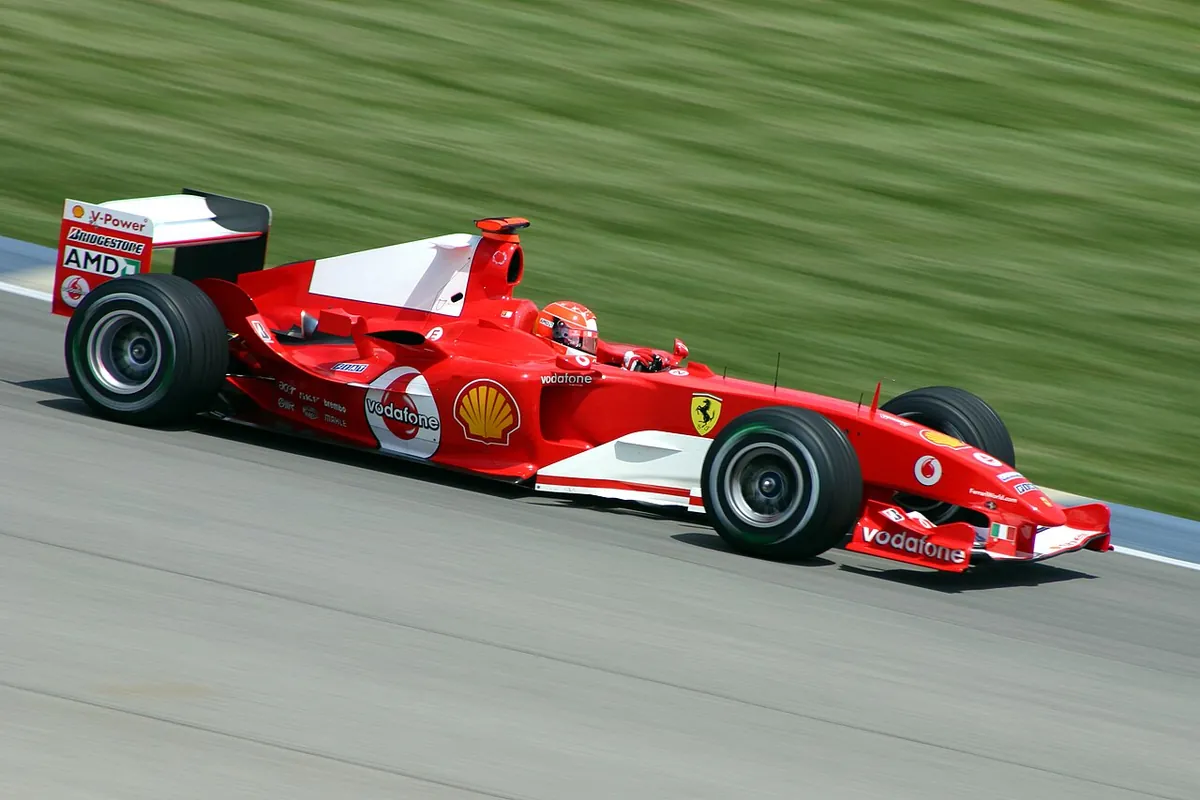
Michael Schumacher: Building Success with a Team
Schumacher's career shows why driving performance, engineering direction and a team's long-term organisation must be considered together.
Formula OneSchumacher's career shows why driving performance, engineering direction and a team's long-term organisation must be considered together.
 Formula One
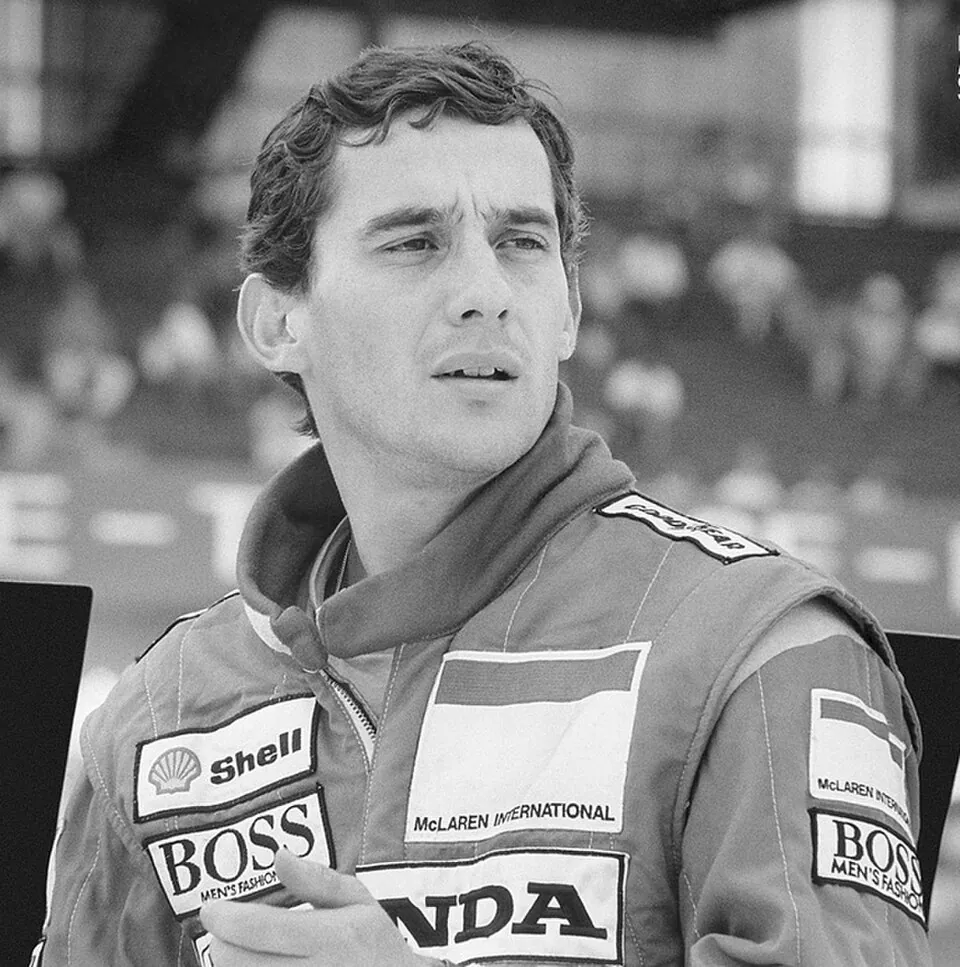
Senna's championship years and enduring influence invite a careful view of both competitive excellence and motorsport's safety history.
 Formula One
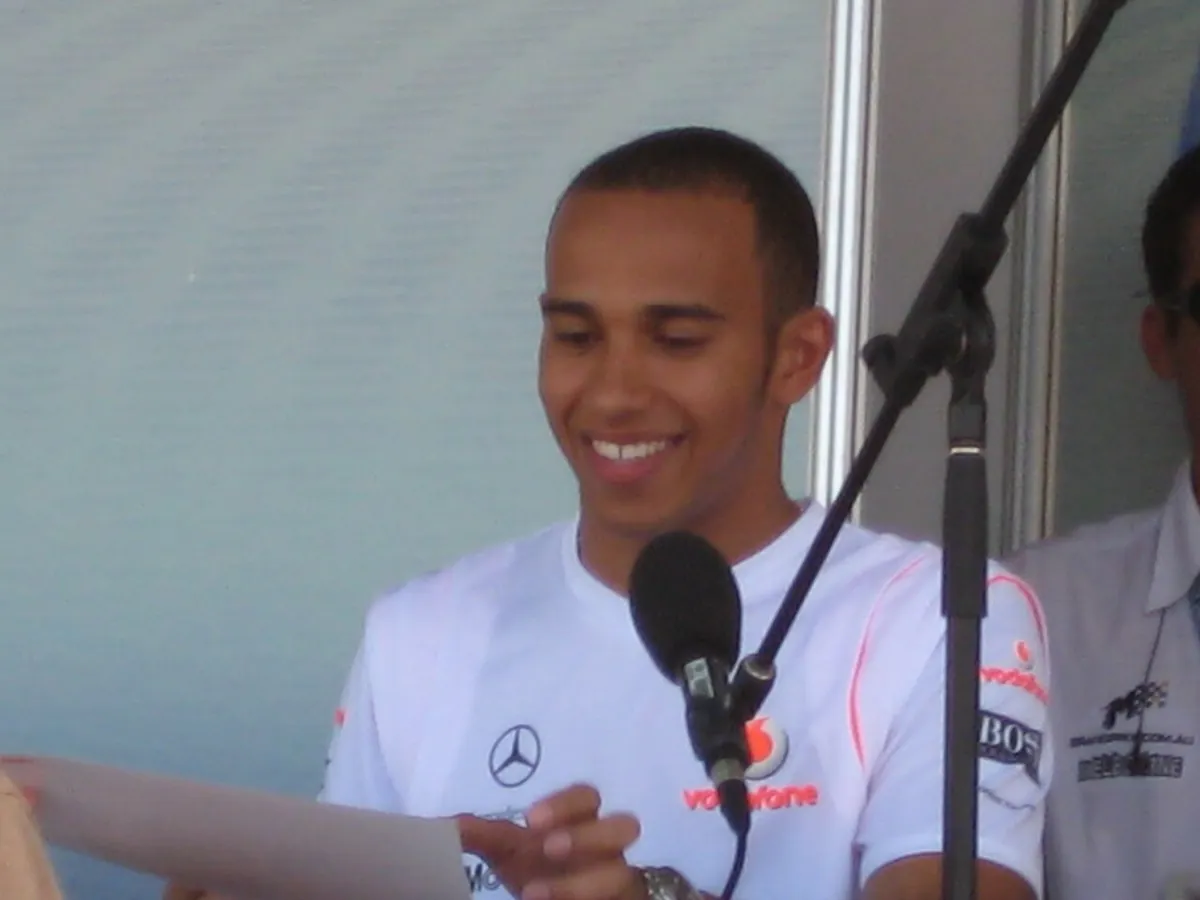
Hamilton's completed championship seasons provide a framework for examining speed, consistency and adaptation across changing Formula One environments.
 Formula One
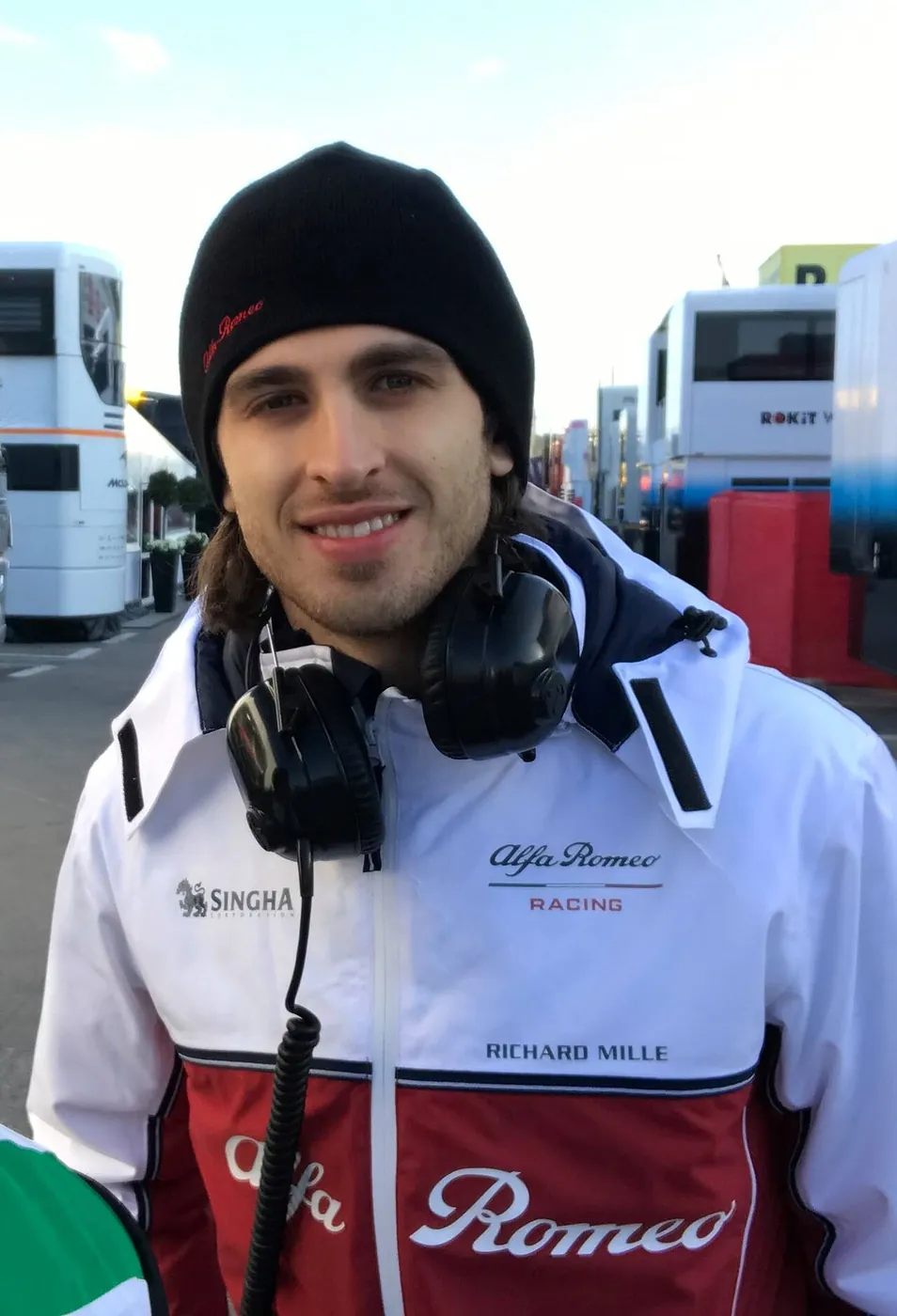
Each session asks a different question, so the fastest practice lap should not be read as a complete prediction of Sunday.
 Formula One
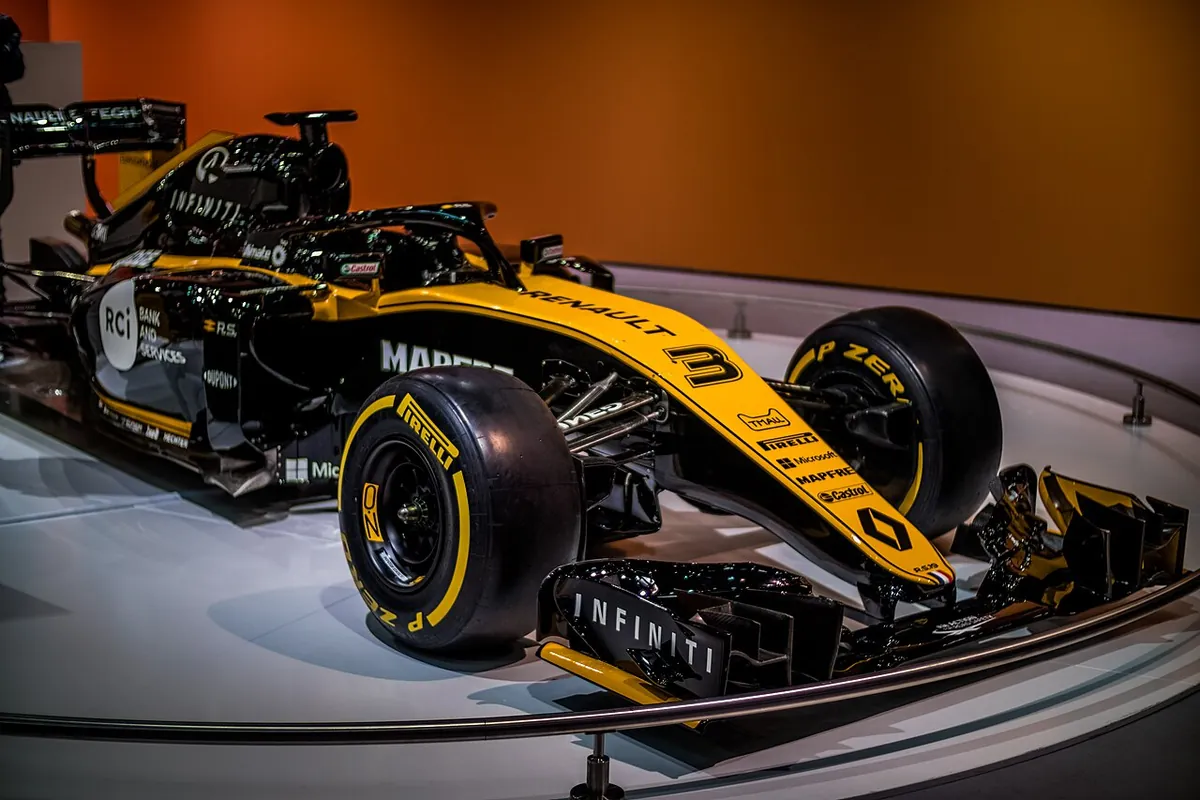
Grip, temperature and the time lost in a pit stop make tyre decisions central to both driving and team strategy.
 Formula One
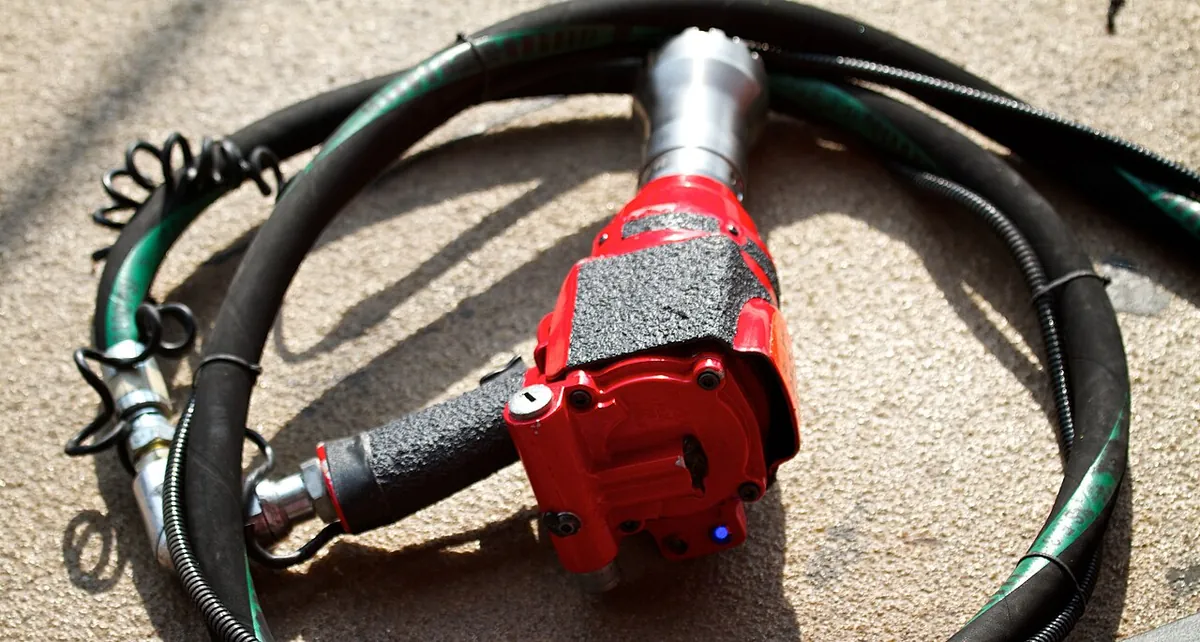
Different pit-stop timing can reverse positions even when two drivers never meet side by side on the circuit.
 Formula One
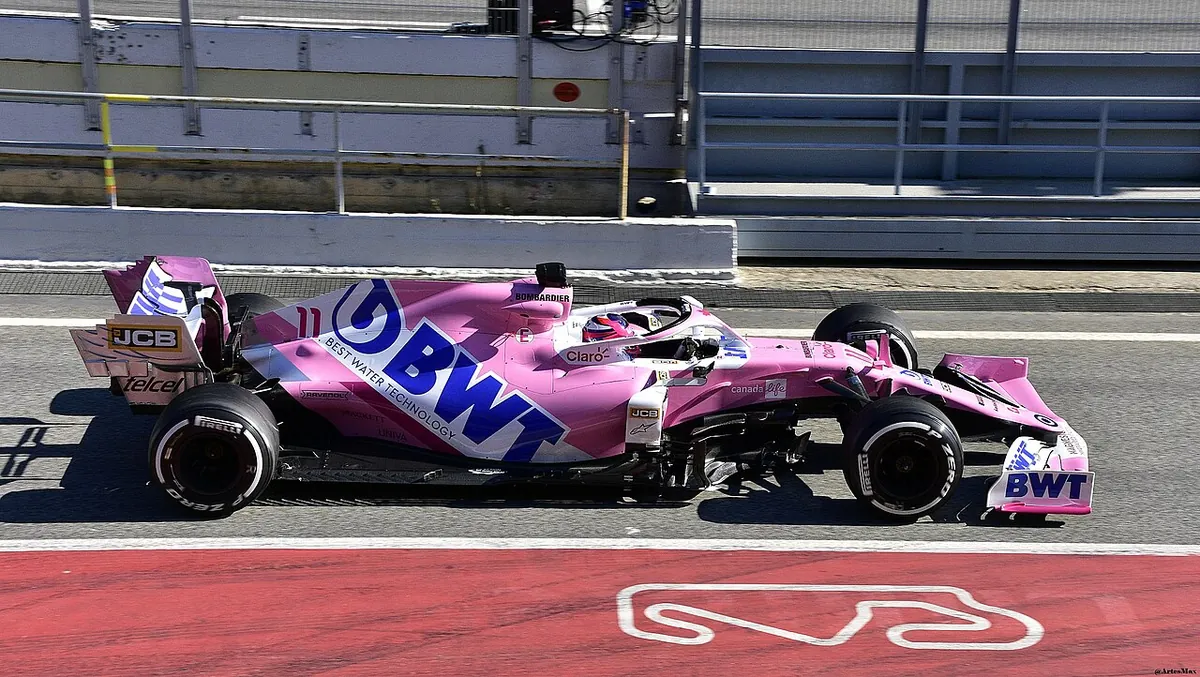
Flags and electronic panels explain why a driver slows, abandons a lap or lets another car through.
 Formula One
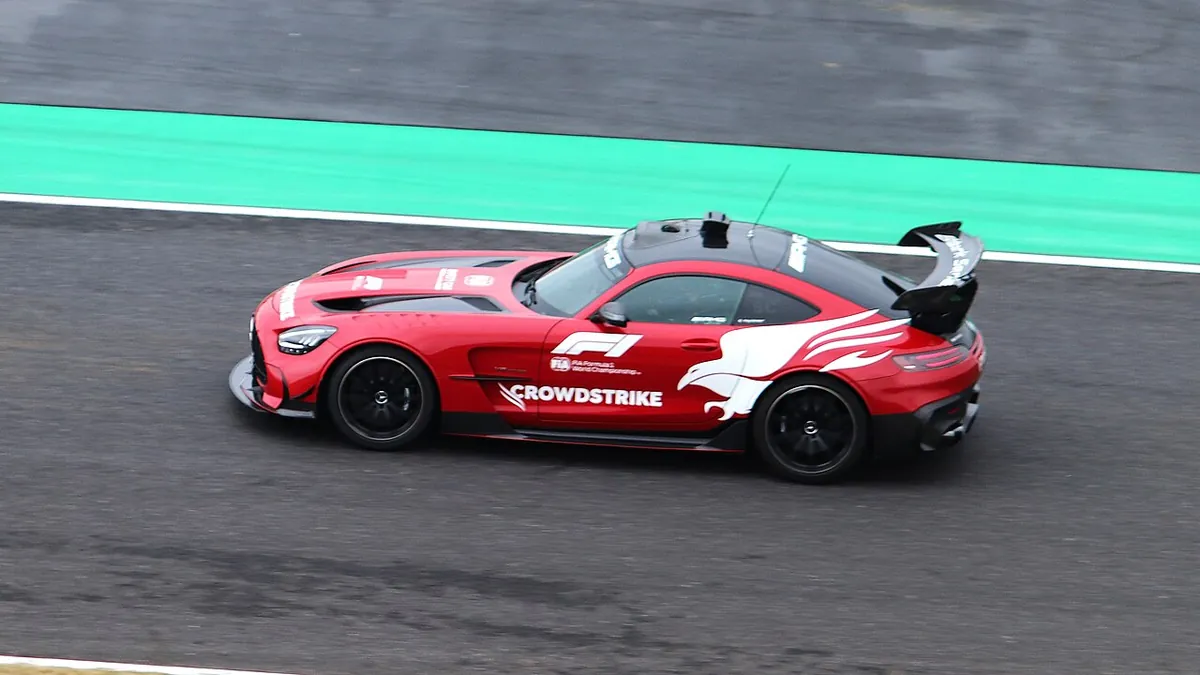
Two safety procedures reduce racing speed in different ways, with different consequences for the field and pit-stop calculations.
 Formula One
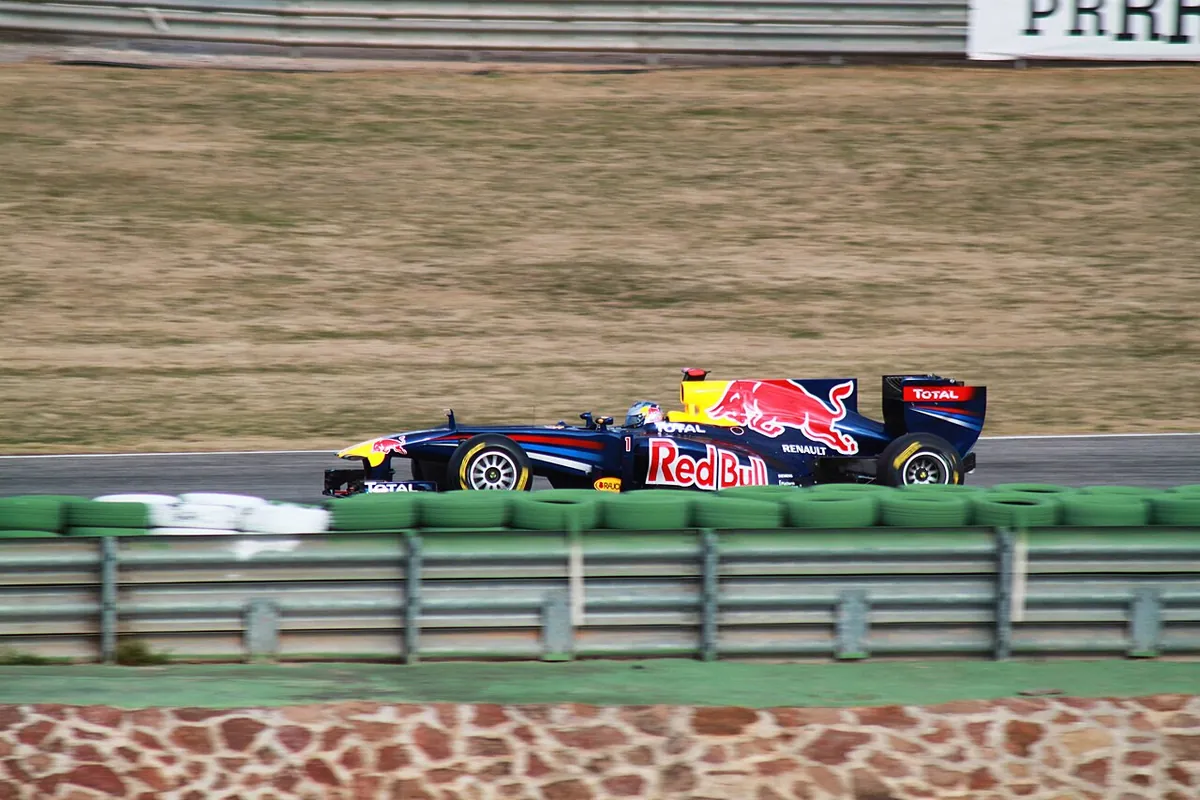
Corner entry, apex and exit form a connected sequence whose value depends on the section of track that follows.
 Formula One
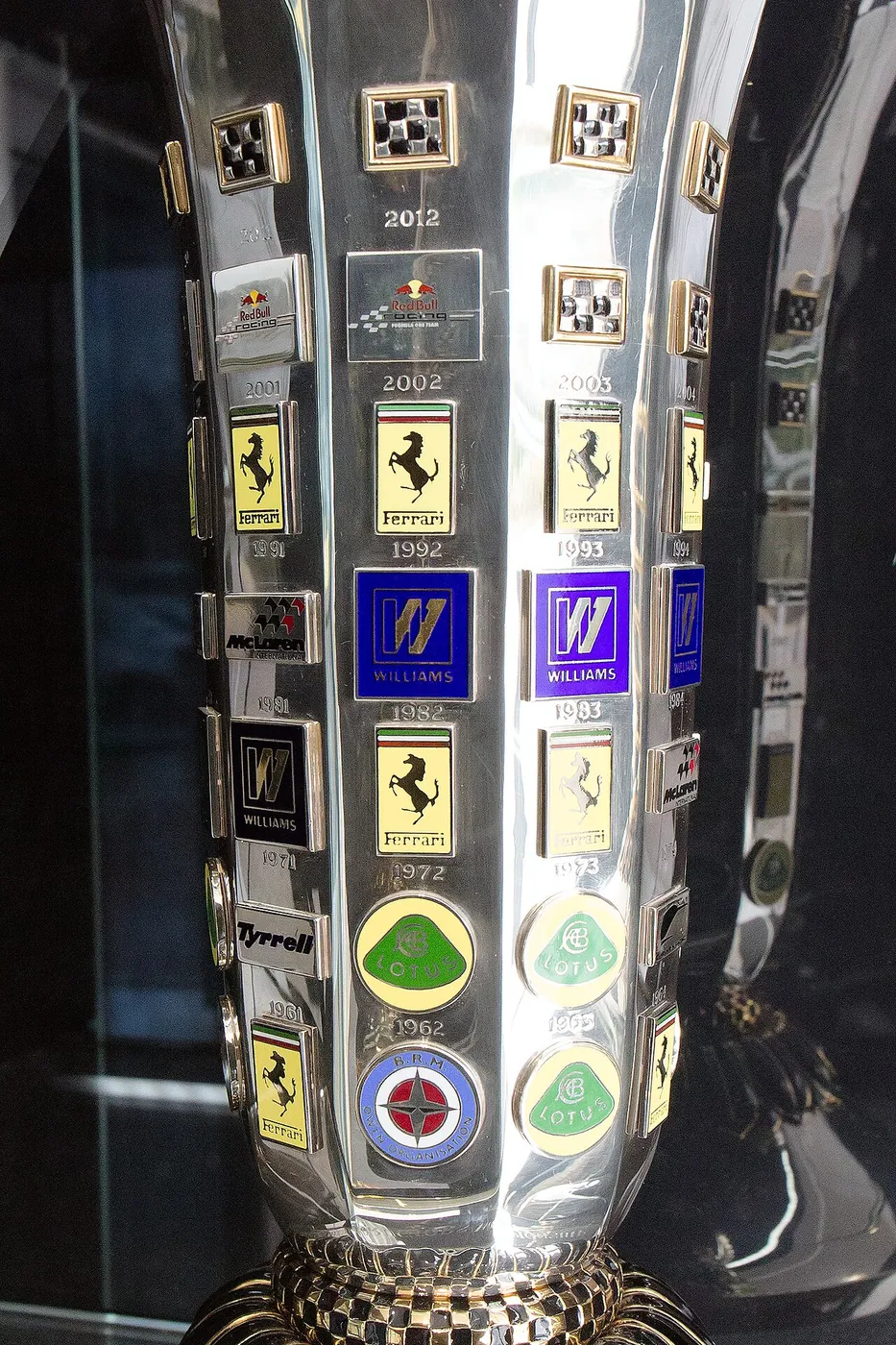
The drivers' and constructors' competitions reveal different parts of Formula One's shared engineering and racing effort.