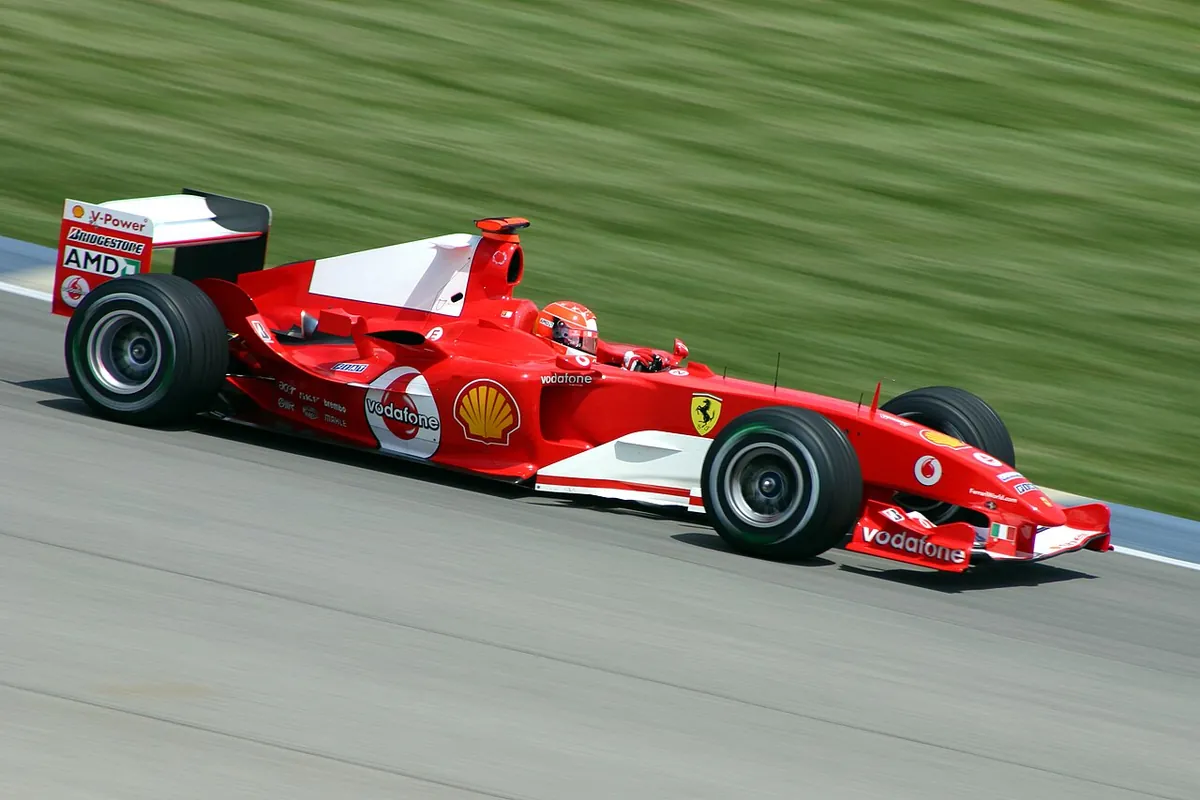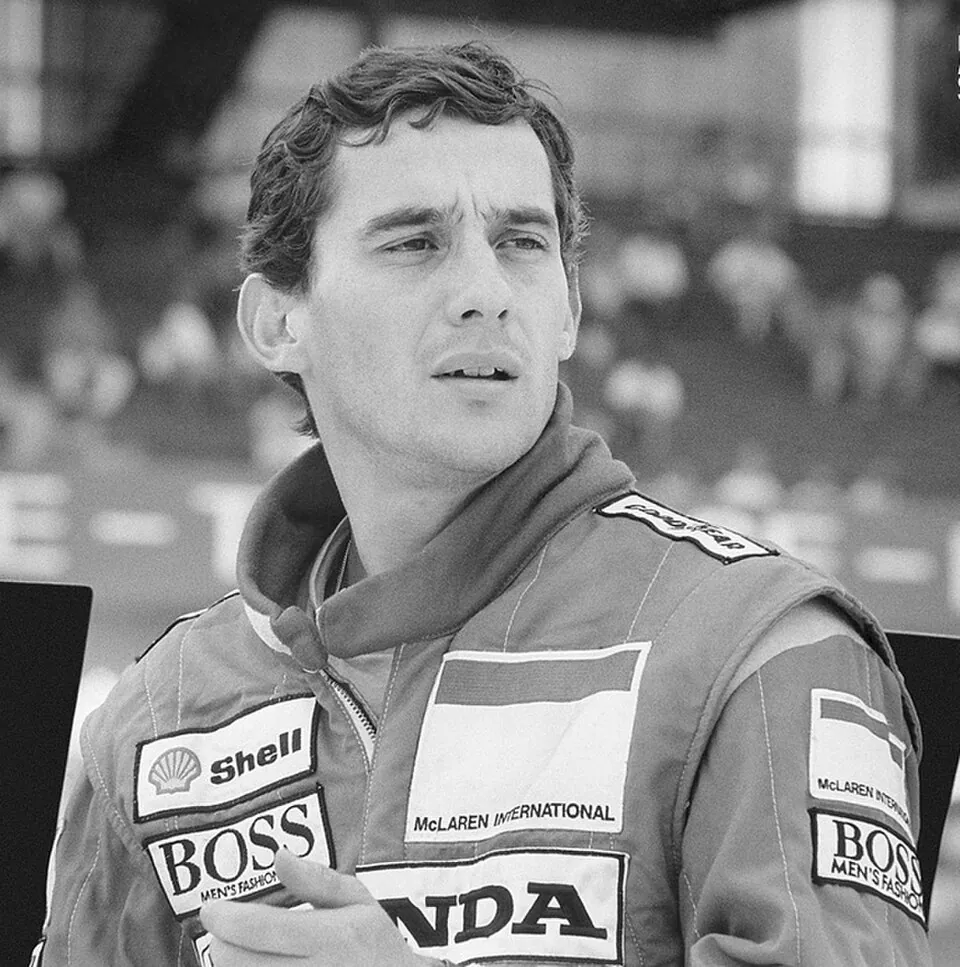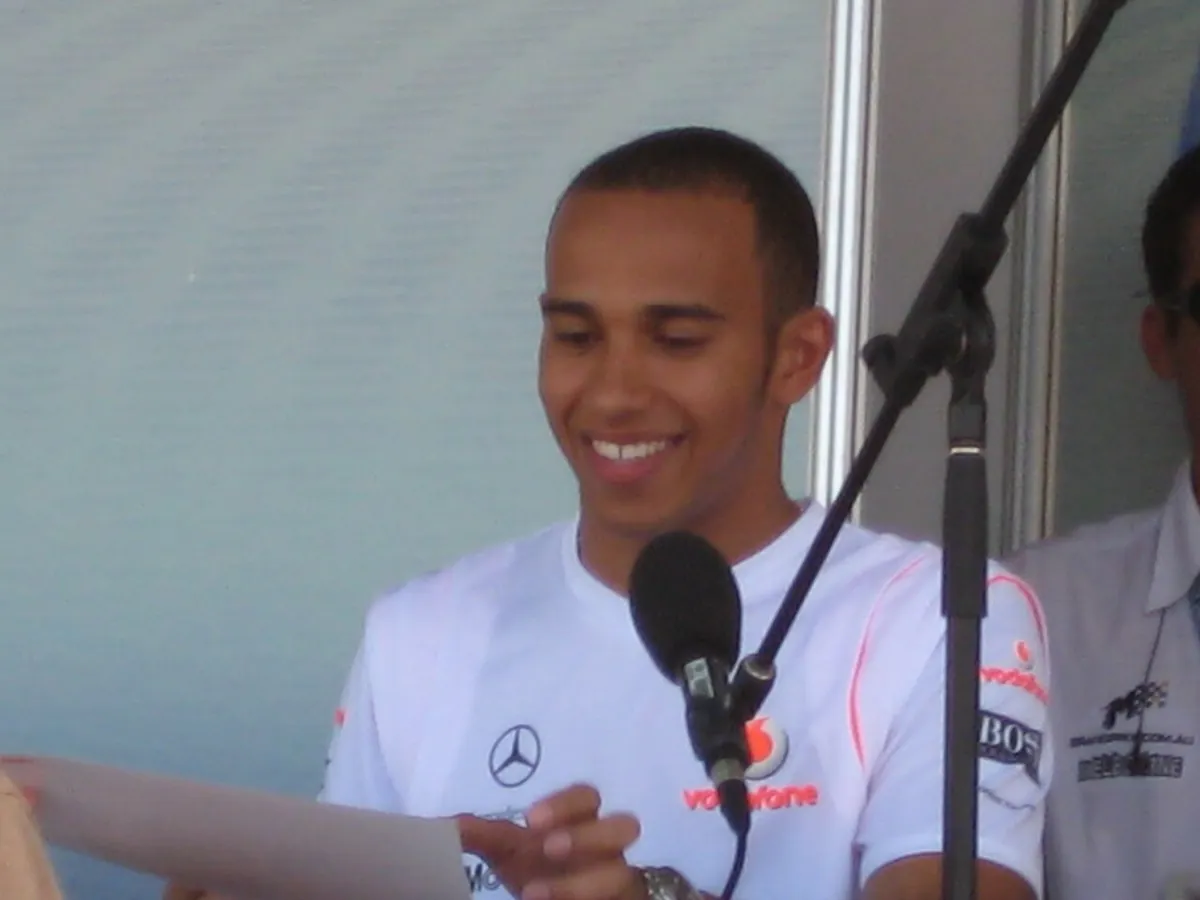
British driver Lewis Hamilton entered Formula One in 2007 and built a career spanning different technical regulations and team environments. A useful profile looks beyond a list of wins to ask how speed, consistency and adaptation work together. The focus here is on completed historical achievements and the observable decisions that turn a capable driver into a sustained championship contender.
A fixed championship record
Hamilton won the drivers' title with McLaren in 2008, then with Mercedes in 2014, 2015 and from 2017 through 2020. These seven completed seasons are stable historical reference points. Current standings and changing career totals are different kinds of information and should not be treated as permanent features of a profile.
Reading the race
Closing on another car does not automatically create an immediate passing opportunity. Tyre temperature, disturbed airflow and pit-stop timing all affect the decision to attack. Sometimes reducing the pace briefly prepares a stronger later effort. In Hamilton's full races, radio exchanges and consecutive lap times offer more context than an isolated highlight.
Adapting to technical change
Changes in regulations alter a car's weight, aerodynamic behaviour and feedback. Drivers must learn where the limit now lies and communicate clearly with engineers while adjusting the setup throughout a weekend. Much of that work is less visible than the racing itself, but it helps explain how competitiveness can extend across several distinct phases of a career.