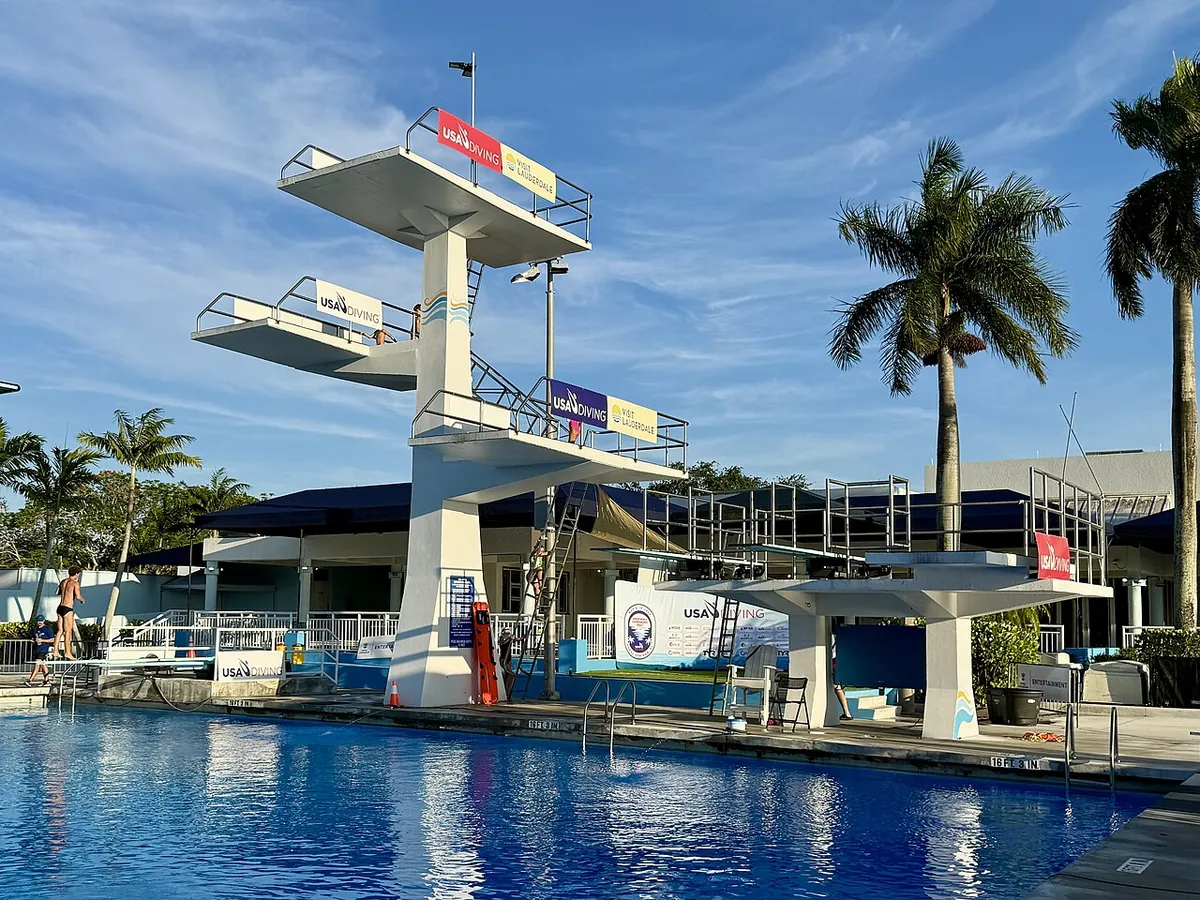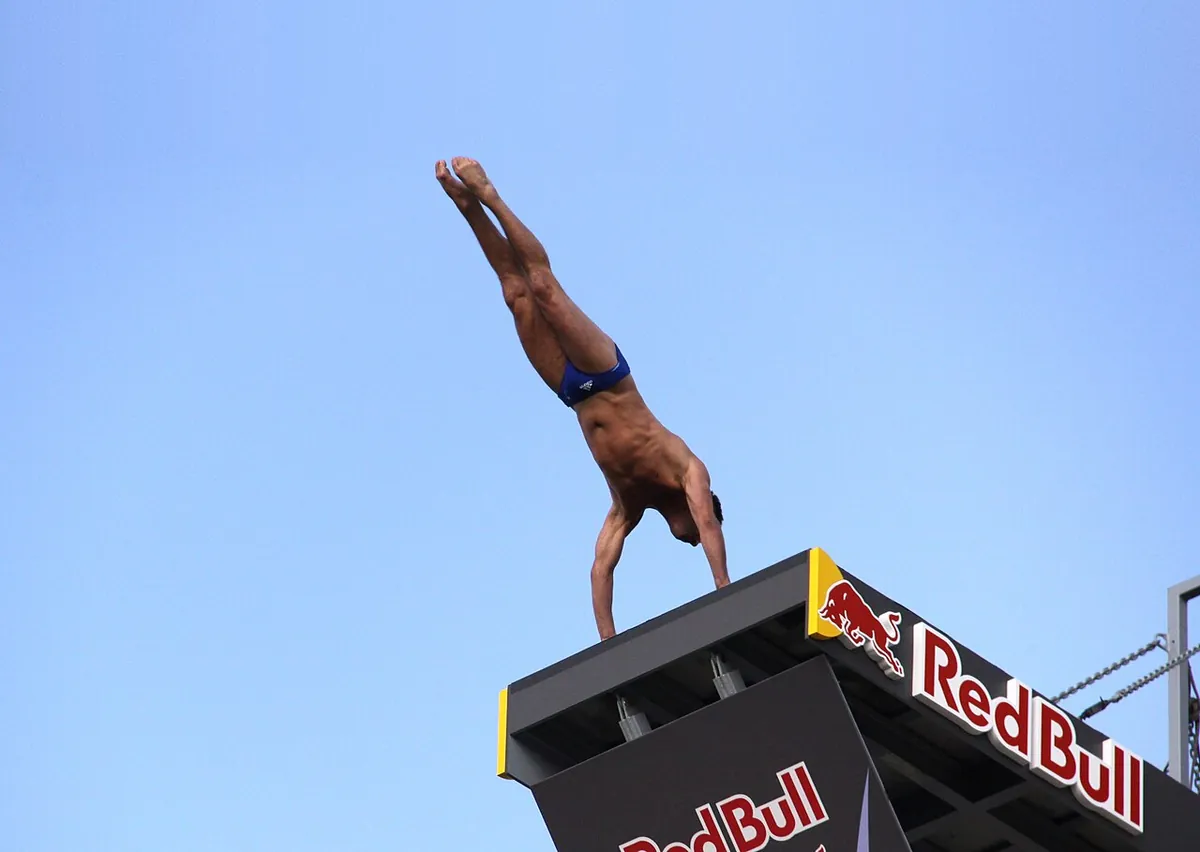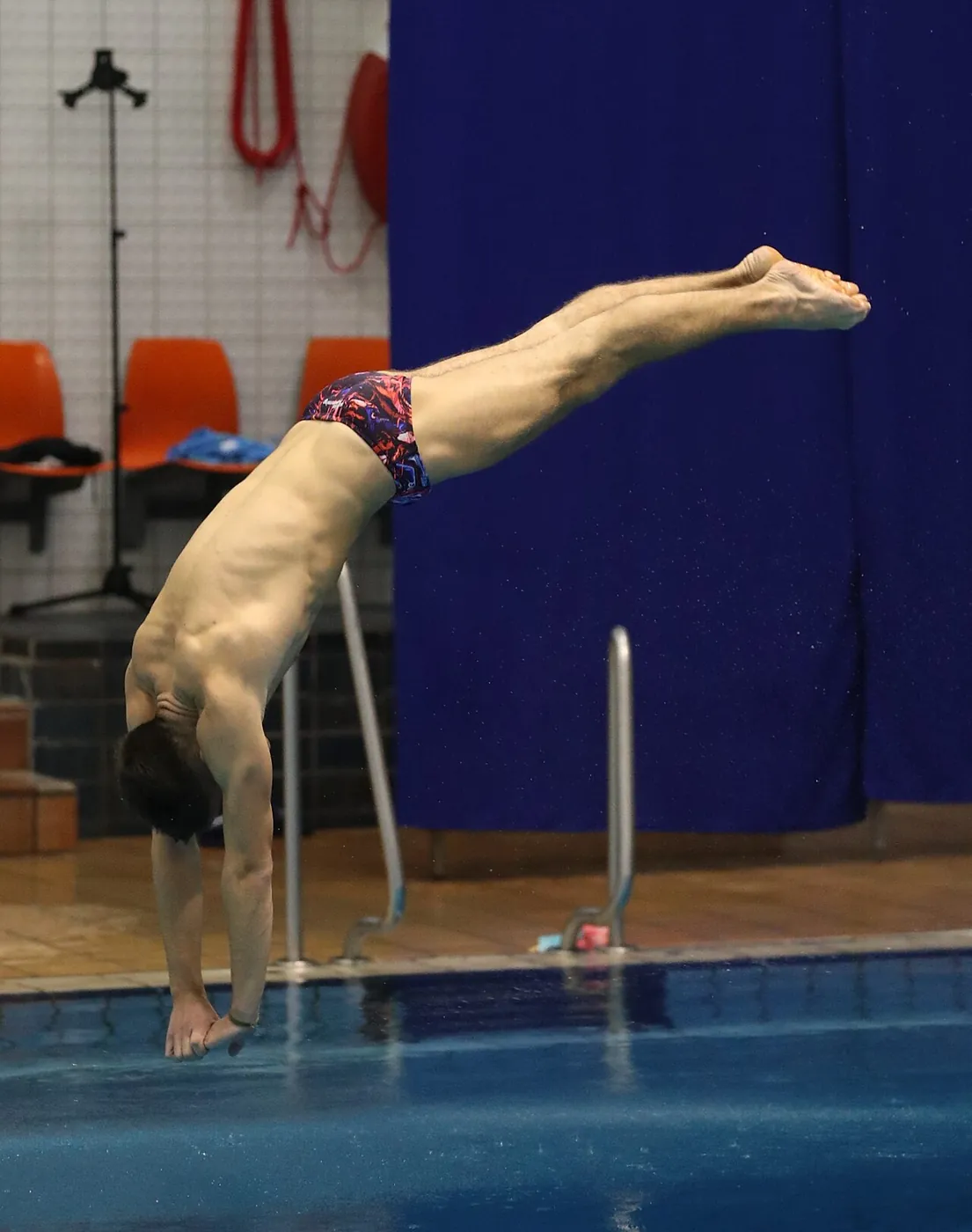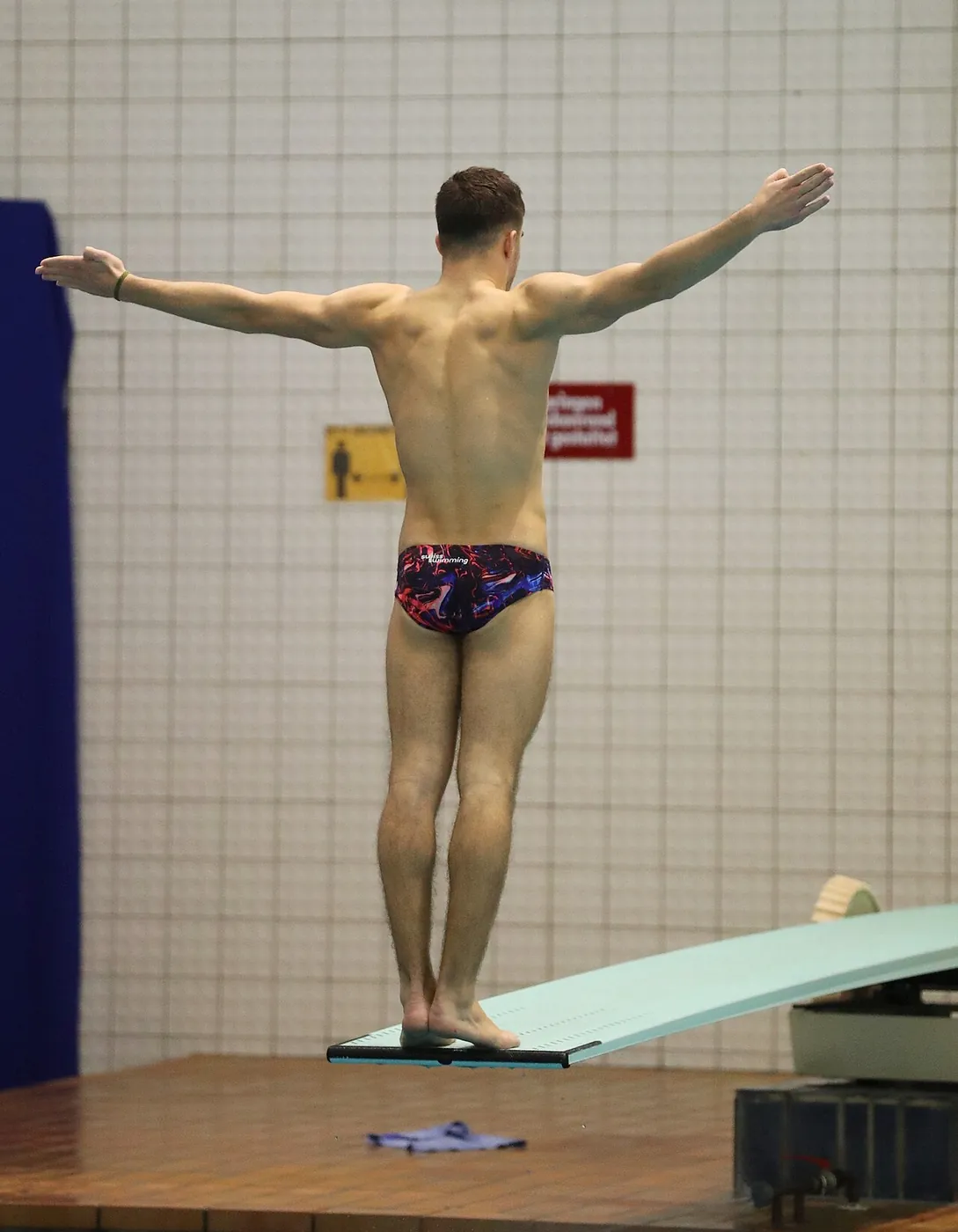
Diving classifies actions through a structured system rather than assigning arbitrary names to each combination. World Aquatics groups include forward, backward, reverse, inward, twisting and applicable armstand dives. A practical viewing method begins with the starting direction, then follows the first movement away from the apparatus.
Starting orientation and rotation are separate clues
Facing towards the water or away from it describes the starting position. Rotating forward or backward describes another part of the action. Together they help identify the group. The final direction at entry cannot reliably reconstruct the whole dive. In slow motion, watch the preparation and initial rotation before counting the remaining movements.
Position helps define the action
Tuck, pike and straight positions influence how rotation is organised and contribute to recognition and difficulty. Completing the intended number of rotations does not make all body positions equivalent. Observe the relationship between knees, hips and torso, then the timing of the opening. The position is part of what has been declared and must be performed.
Build the identification step by step
For a new viewer, separate starting orientation, somersault direction, twisting and body position instead of trying to recognise everything at once. Compare those observations with the displayed dive code and description. A single airborne image may resemble several different dives, so the full sequence provides a more dependable basis than an isolated pose.