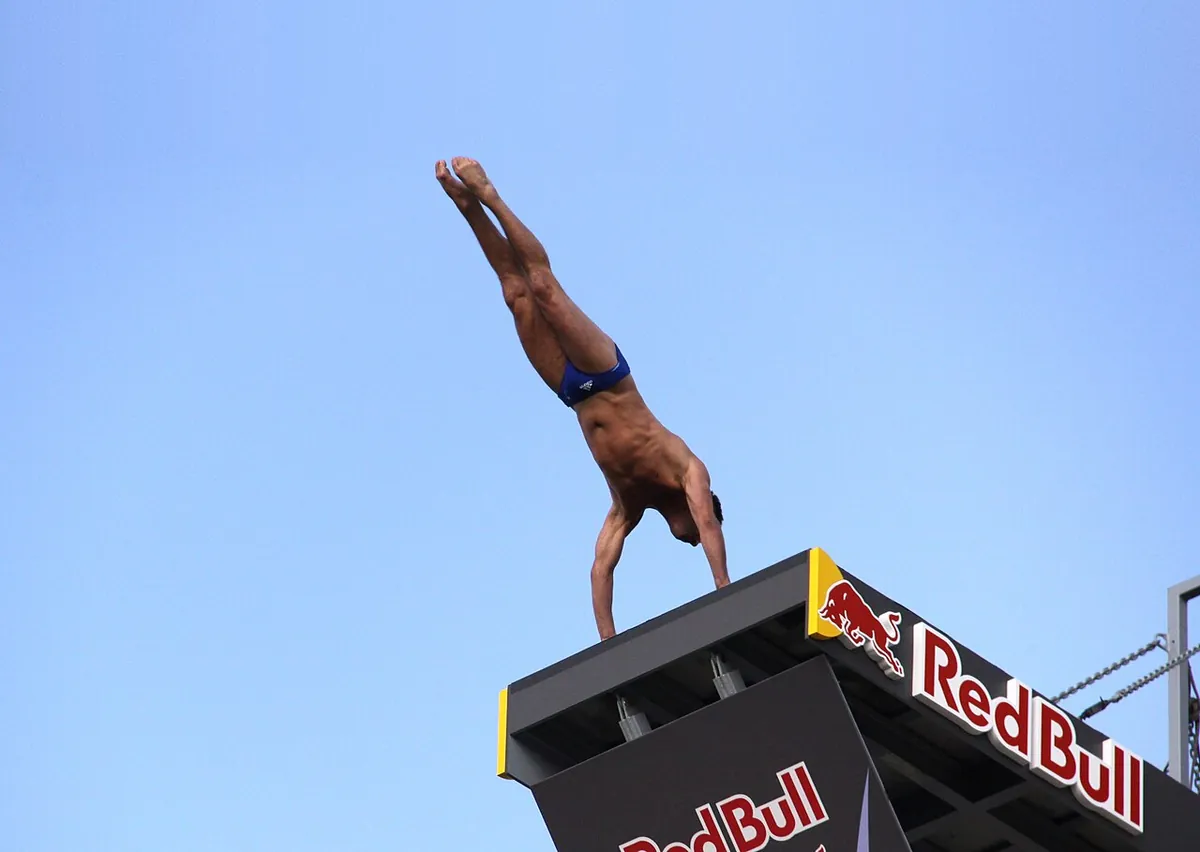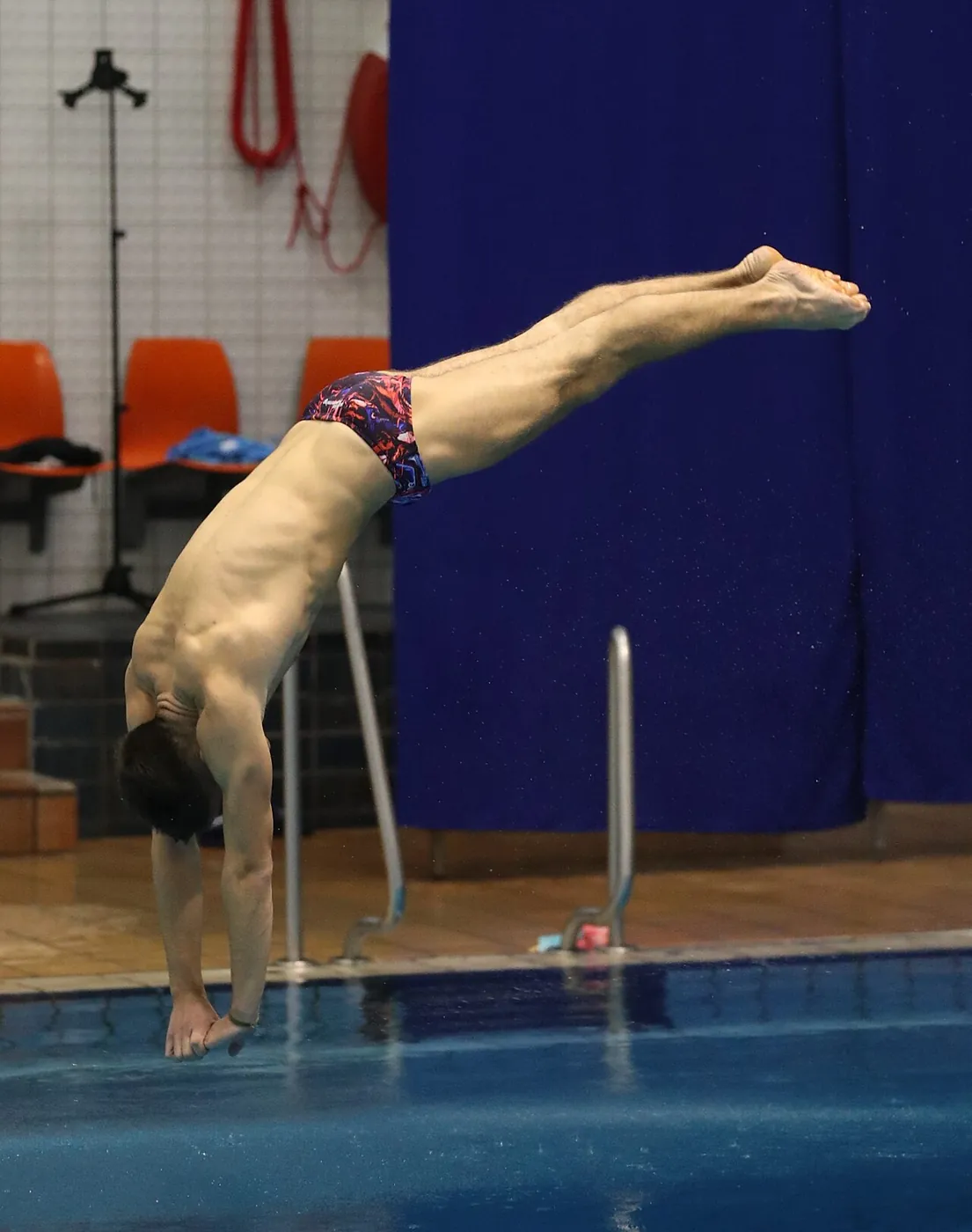
A diver's entry is the combined outcome of preparation, rotation and body control. Splash offers an immediate visual clue, but it is not an independent measure of the entire dive. Begin watching before the water contact to see how the athlete finishes rotating and prepares the body for entry.
Opening at the right moment
Opening too early can leave insufficient rotation; opening too late can leave too much. The diver needs to manage orientation within a very short time. In slow motion, observe whether there is a clear, controlled transition between completing the rotation and contacting the water. Focusing only on the first hand or foot to touch misses that preparation.
Other clues around the splash
Alignment with the intended entry, leg and foot position, and obvious late corrections all help explain execution. Camera angle, lighting and the water surface also affect appearances. A visually small splash does not guarantee the highest marks if earlier phases contain problems. Conversely, the entry should be assessed through its actual movement rather than an attractive still photograph.
The conditions are formed above the water
Follow the diver's alignment after opening and how the body approaches the surface. The visible splash is an outcome of that sequence, not its starting point. Different filming conditions make simple splash-area comparisons unreliable. Combine entry observations with the preceding phases and official marks to build a more complete account.