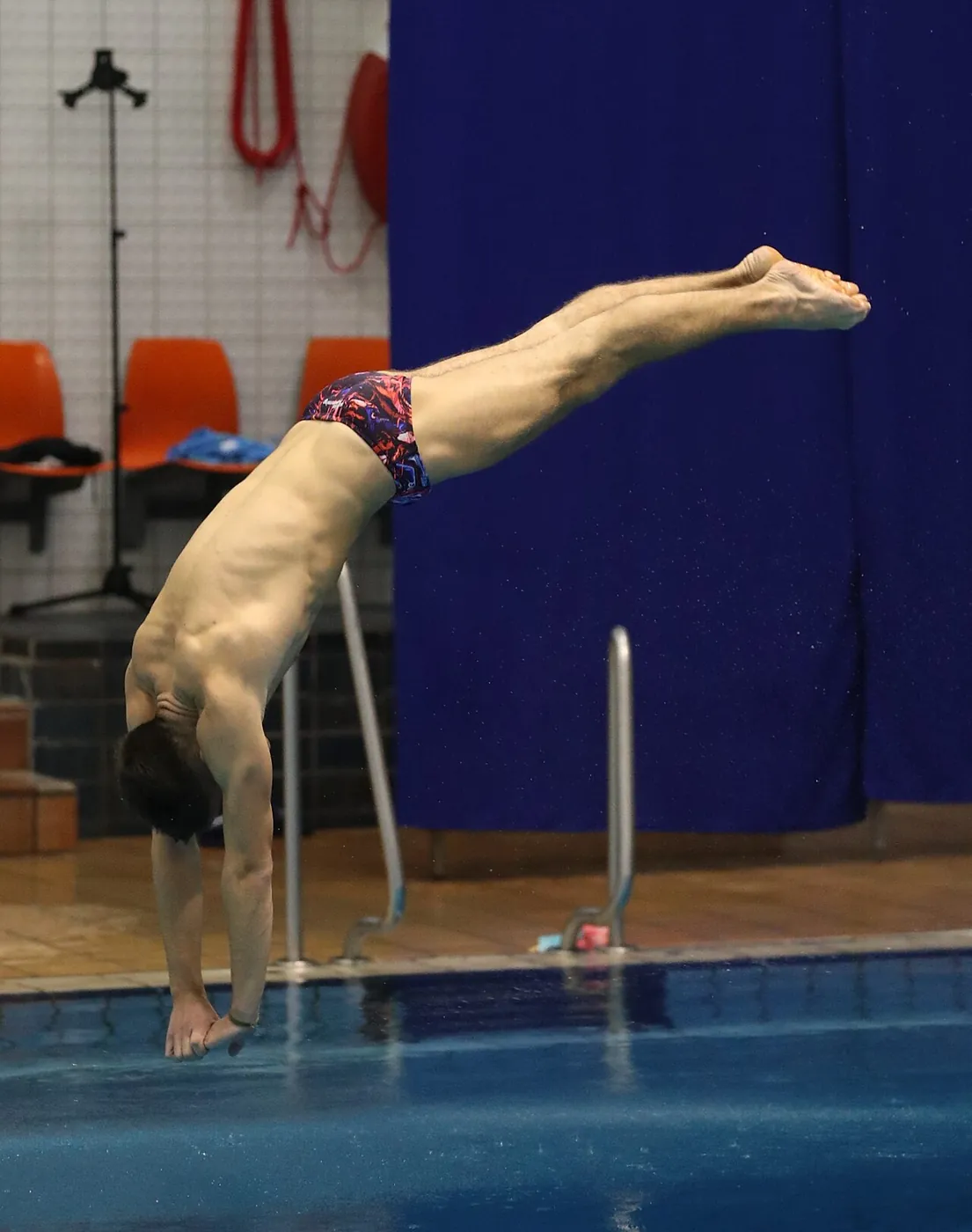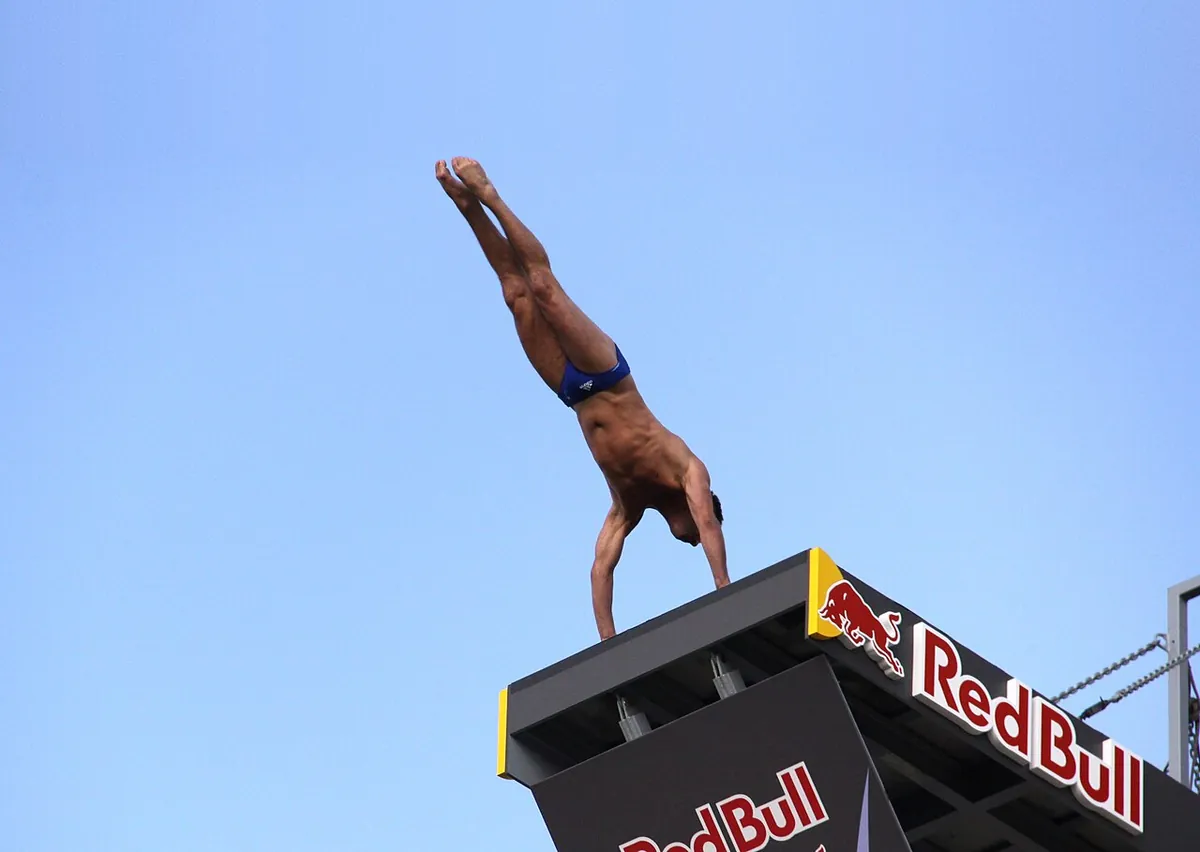
World Aquatics diving assigns difficulty values to declared dives. Judges assess execution, and the applicable calculation produces the dive score. Individual and synchronised events have different judging arrangements. Distinguish a judge's mark, the difficulty coefficient and the final points rather than treating every number on screen as the same measure.
Difficulty creates scoring potential
A higher difficulty coefficient can produce more points for comparable execution, but faults reduce that advantage. Group, rotation, twist and position all contribute to the identity and value of a dive. Compare the declared actions before comparing their scores. A high total cannot be explained solely by an entry that appears almost splash-free.
Judges assess a complete dive
Starting position, take-off, flight and entry all contribute to execution. Two entries can look similar while the preceding movements differ substantially. Broadcast replays often emphasise the splash and may omit the preparation. Full footage and the official breakdown offer a firmer basis for understanding the marks than the final frame alone.
Read the declared value first
When two apparently similar entries receive different points, check the dive descriptions and difficulty before assuming an inconsistency. Then examine the execution marks. Competition type also matters: do not apply the individual judging calculation unchanged to synchronised diving. The result becomes clearer when the declared task and its actual completion are read together.