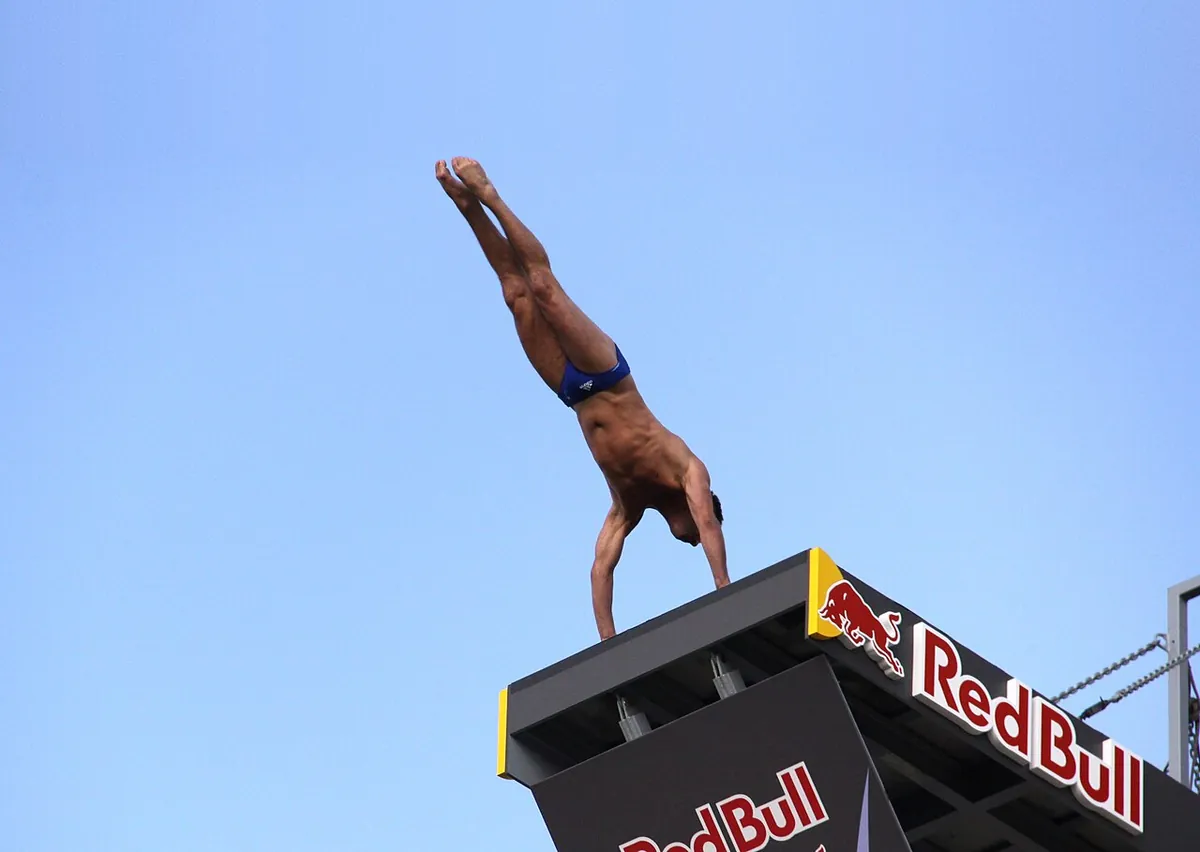
Diving results accumulate across several rounds. Qualification, semifinal and final arrangements depend on the competition regulations. To follow the contest, consider both the score already earned and the dives still to come. Athletes may use different difficulty patterns, so a temporary lead does not necessarily mean that the remaining task is easier.
Why one round cannot rank everyone
An athlete using a harder dive in one round may earn more points at that moment, while another saves a demanding action for later. A round score supplies immediate information but is not a complete ranking of ability. Difficulty, execution and consistency interact across the programme, and their accumulated effects determine the stage result.
What to observe after an error
The athlete continues through the declared programme and competition procedure. Look for the return of a familiar take-off rhythm or opening control, without claiming to know the diver's thoughts from an expression. The official score quantifies the loss; the full replay shows the movement. Together they provide stronger evidence than a dramatic narrative alone.
Place every dive inside the plan
Record the dive and points in each round, then track how the gap changes. Do not declare the competition finished after a single mistake if later actions remain. The remaining programme, actual difficulty values and current difference all matter. A competition total is the consequence of the entire sequence rather than an isolated defining image.