New Zealand rower Hamish Bond is known for results in the coxless pair and the eight. His experience illustrates how rowing ability includes both individual output and adaptation to a crew. Changing the number of people in the boat also changes feedback and coordination, so success cannot be explained simply as adding more strong athletes to the same system.
The pair with Eric Murray
Bond and Eric Murray won men's coxless-pair gold at London 2012 and Rio 2016. Each rower used one oar, making coordinated propulsion and balance essential. Individual differences feed directly into the quality of the partnership, so a shared rhythm is part of the competitive skill rather than an optional addition to strength.
Tokyo's eight
Bond then won gold as a member of New Zealand's men's eight at Tokyo 2020. The larger crew introduced a broader coordination task and a coxswain responsible for directing and communicating the race. Moving from a pair to an eight means fitting technical ability into a more complex shared movement pattern.
Watching the crew
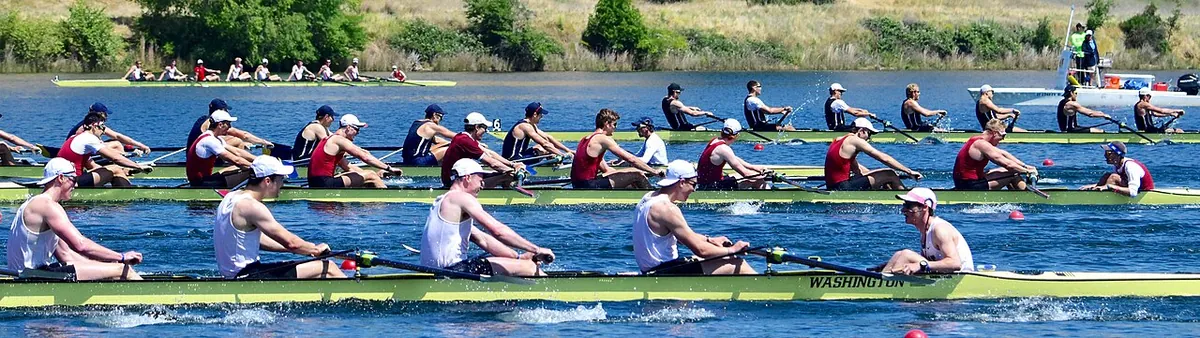
Look at whether the athletes' blades enter together and whether their force reaches the water during a common phase. Efficient coordination does not always appear especially dramatic; it may look steady and continuous. The boat's speed emerges from the complete system, so the size of one rower's movement is an incomplete measure of that person's contribution.