Rowing results often use a number and symbol to describe a boat class. Reading that shorthand tells the viewer how many athletes are rowing, whether each uses one or two oars and whether a coxswain is present. This introduction follows common World Rowing flat-water classes rather than assuming that canoeing or every coastal format uses the same structure.
Sculling means two oars each
In sculling, every rower controls an oar with each hand. Familiar classes include single, double and quadruple sculls. The x indicates sculling, so 1x means one rower using two oars. The number describes people who row; the term sculling describes their oar arrangement, and these two pieces of information should be read separately.
Sweep means one oar each
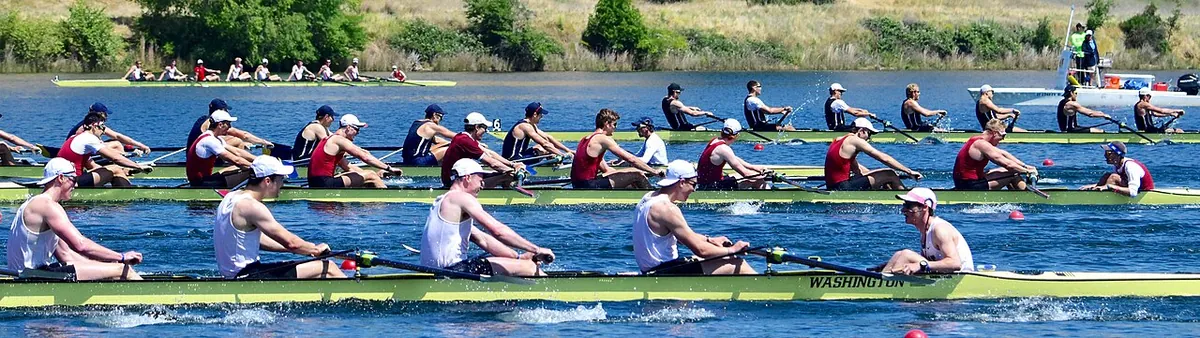
Sweep rowers each use one oar, with the crew organised across the sides of the boat. A minus sign commonly indicates no coxswain, while a plus sign indicates a coxed boat, as in 2− and 8+. The coxswain is not included in the rower count represented by that number.
The class shapes the contest
A single places balance and decisions with one athlete. A crew adds the task of synchronising movement and maintaining a shared rhythm. Numbers of athletes, hull characteristics and technical organisation also influence speed, so times from different classes are not a simple ranking of quality. Establish the class before interpreting technique or a historical result.