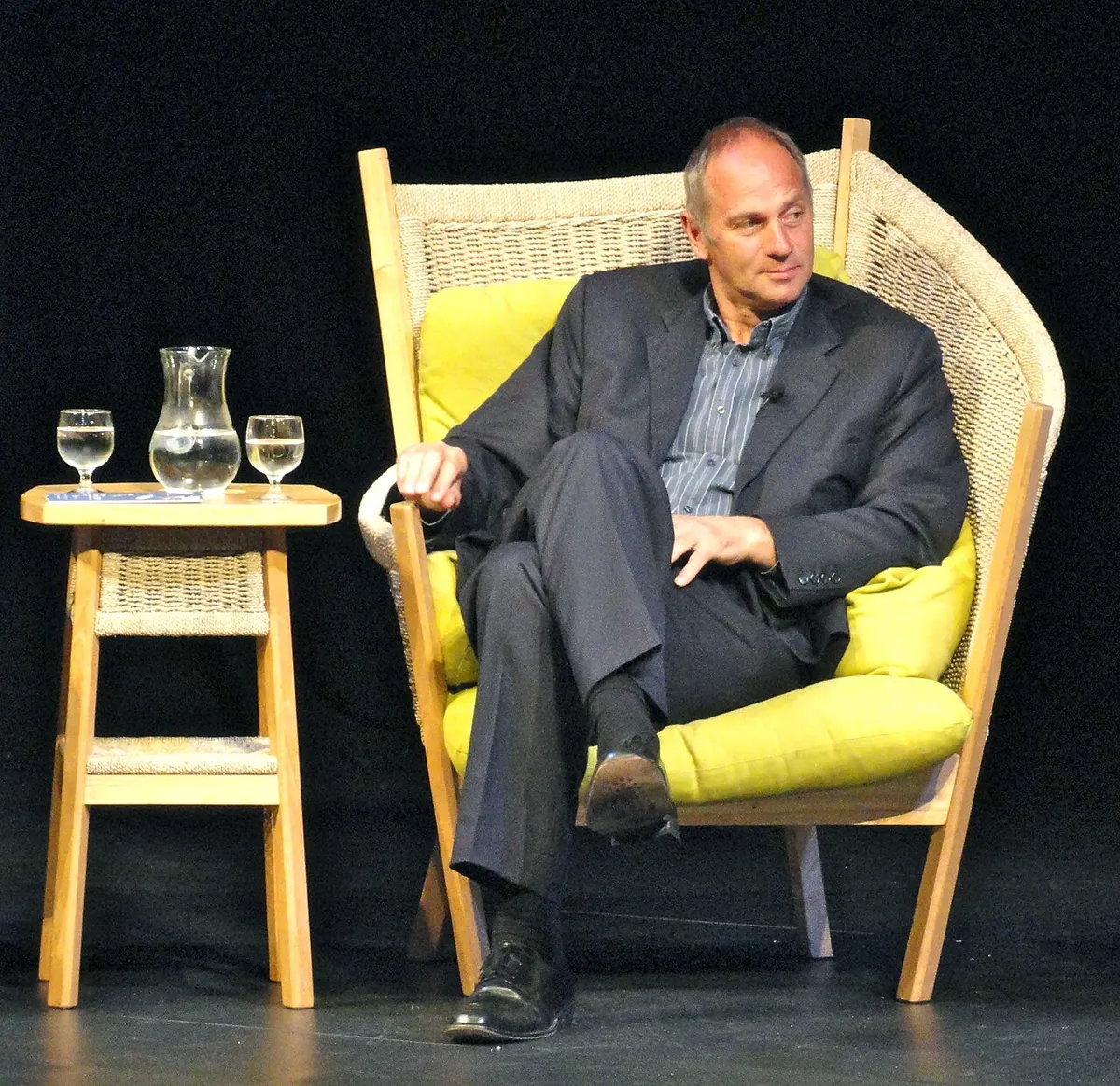
British rower Steve Redgrave is a major figure in Olympic rowing history. His achievements spanned several Olympic cycles, different boat arrangements and different partners. Rowing can look repetitive, yet sustained success requires strength, endurance and precise coordination to function together. Understanding his career therefore means placing the athlete within the movement of the entire crew.
Five consecutive editions
Redgrave won rowing gold at five successive Summer Olympics, from Los Angeles 1984 through Sydney 2000. Those results involved different crew arrangements rather than one athlete repeating a solitary event. Specifying the sport and the summer editions preserves the scope of the achievement and avoids confusing it with records from unrelated endurance disciplines.
Partnership affects boat speed
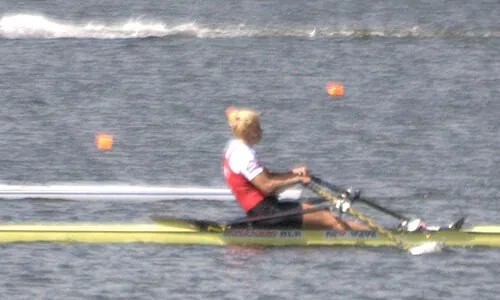
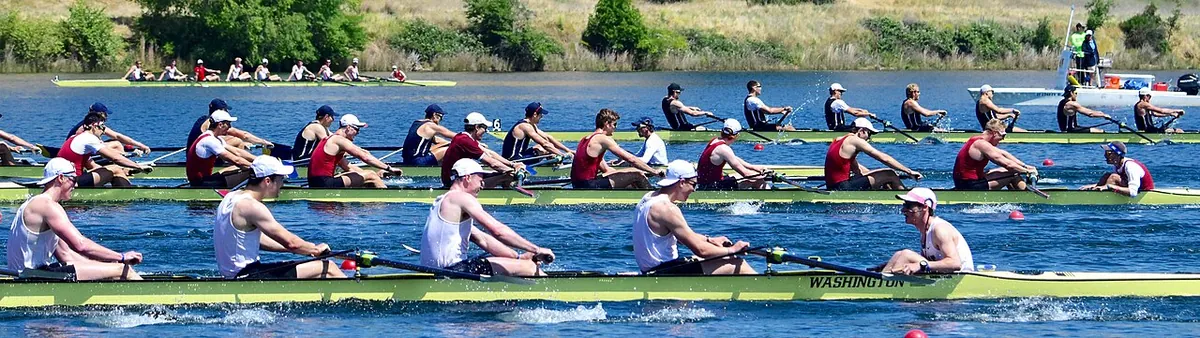
Crew members cannot simply row at their own preferred maximum rhythm. Catch timing, the drive and recovery need to align to limit unnecessary disturbance of the hull. In Redgrave's race footage, observe whether the blades enter and leave together and whether the boat's progress remains connected through the athletes' movement.
Long-term competition is also adaptation
Across multiple Olympic cycles, partners, preparation and opponents change. Sustained achievement depends on individual ability but also on shared training and an effective support system. Including boat classes and partnerships in an account of Redgrave explains more than a medal total alone and reflects the collective character of the sport.