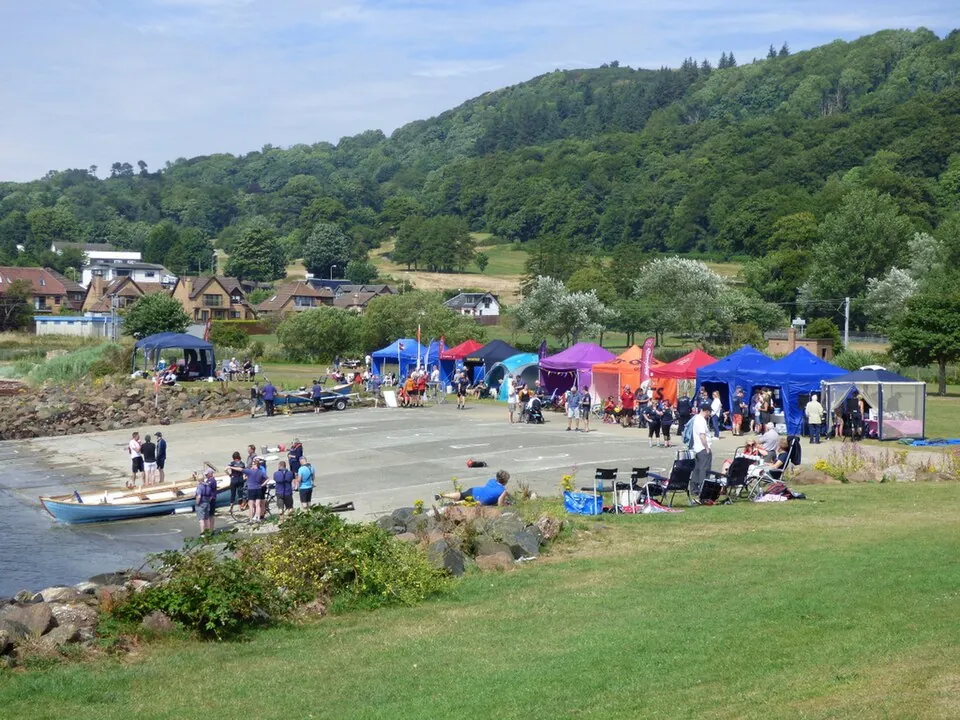
Rowing is not confined to straight lanes on relatively calm water. Coastal rowing includes waves, turning and a more variable environment, bringing different equipment and event organisation into the sport. It is also necessary to distinguish coastal endurance from beach sprint and other specific formats. One broad label does not describe every course or competition procedure.
Boats serve different conditions
Flat-water racing shells pursue efficiency in comparatively controlled settings. Coastal boats need to respond to waves and different stability demands. Their shapes therefore address different tasks rather than representing a simple hierarchy of technology. The environment also asks athletes to read wave direction, select routes and anticipate the behaviour of the hull.
Turning becomes part of the race
Coastal courses can include buoy turns, requiring an effective line and awareness of other boats. The way a turn is completed influences the following acceleration, so straight-line rowing speed does not explain everything. Watch how crews adjust direction in waves and how their stroke rhythm responds to the water around them.
The format determines the focus
Beach sprint combines running on shore, getting into and out of the boat and racing on the water, under its particular procedures. A model based only on pacing a flat-water 2000 metres cannot fully explain it. Identify the event format, boat and course before interpreting the choices made during the race.