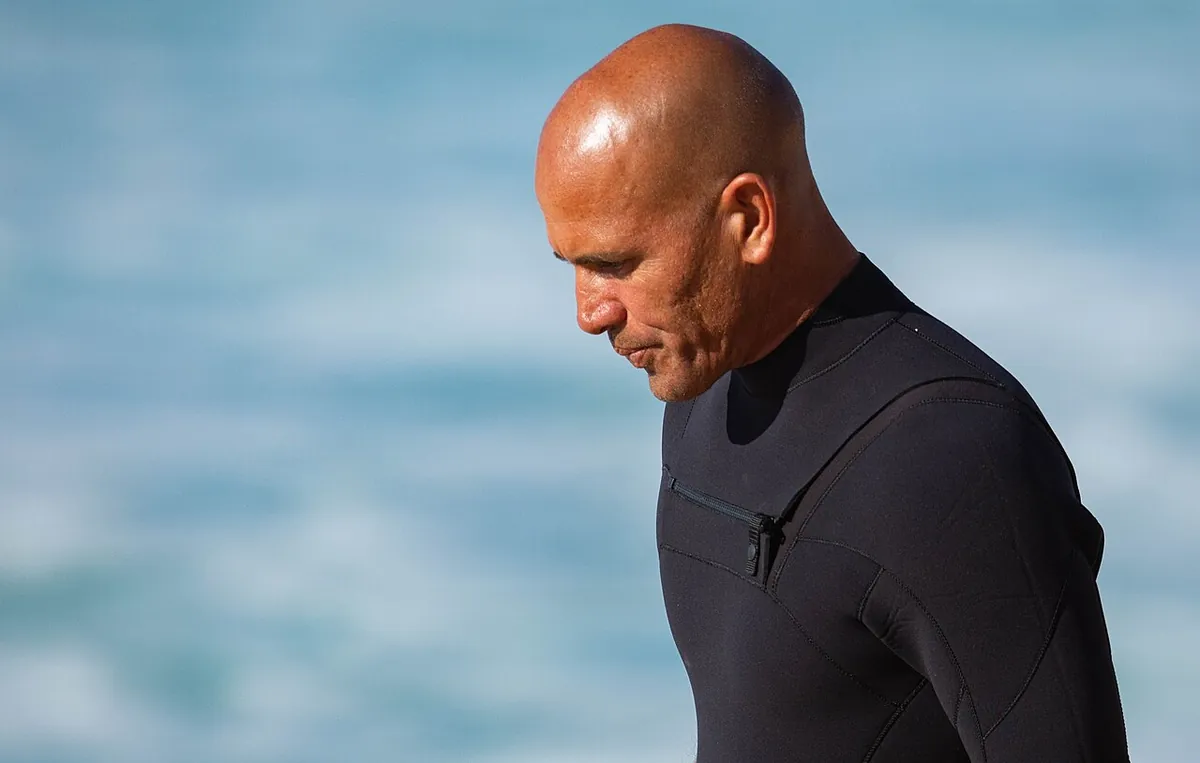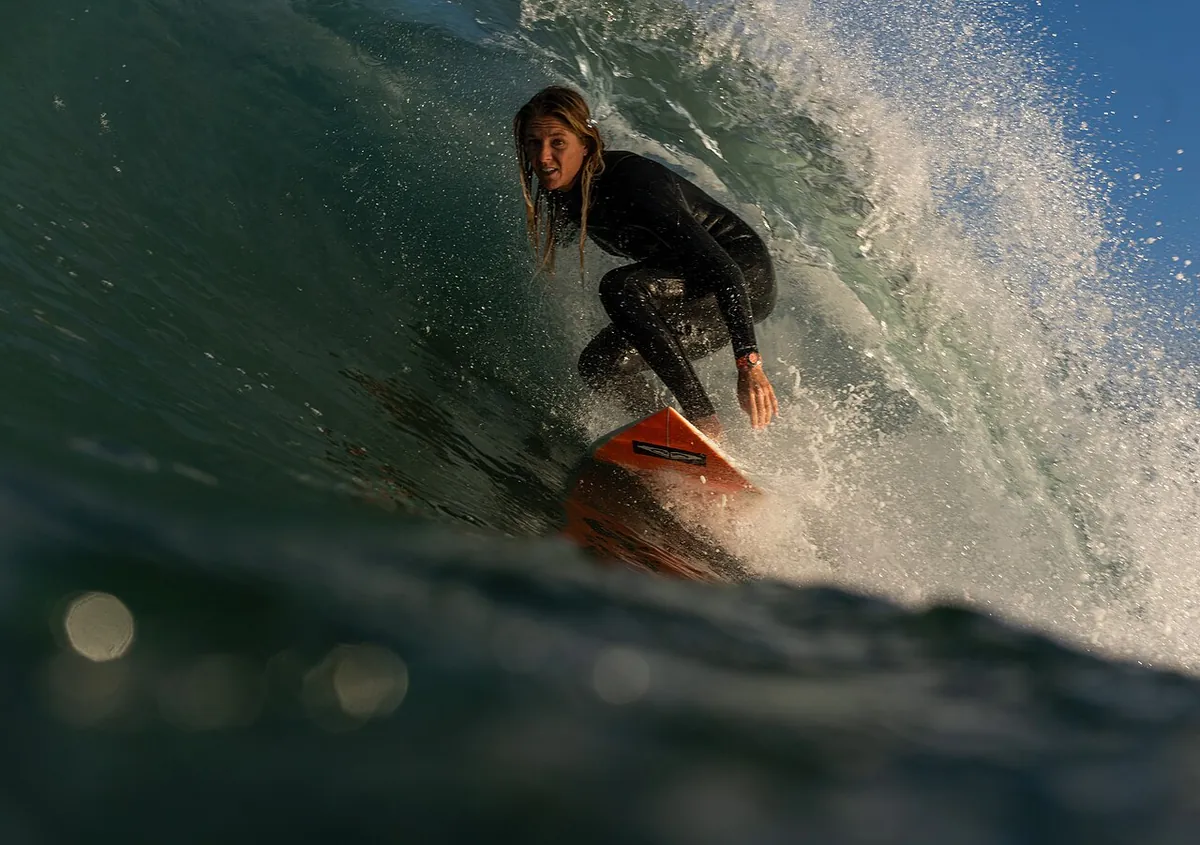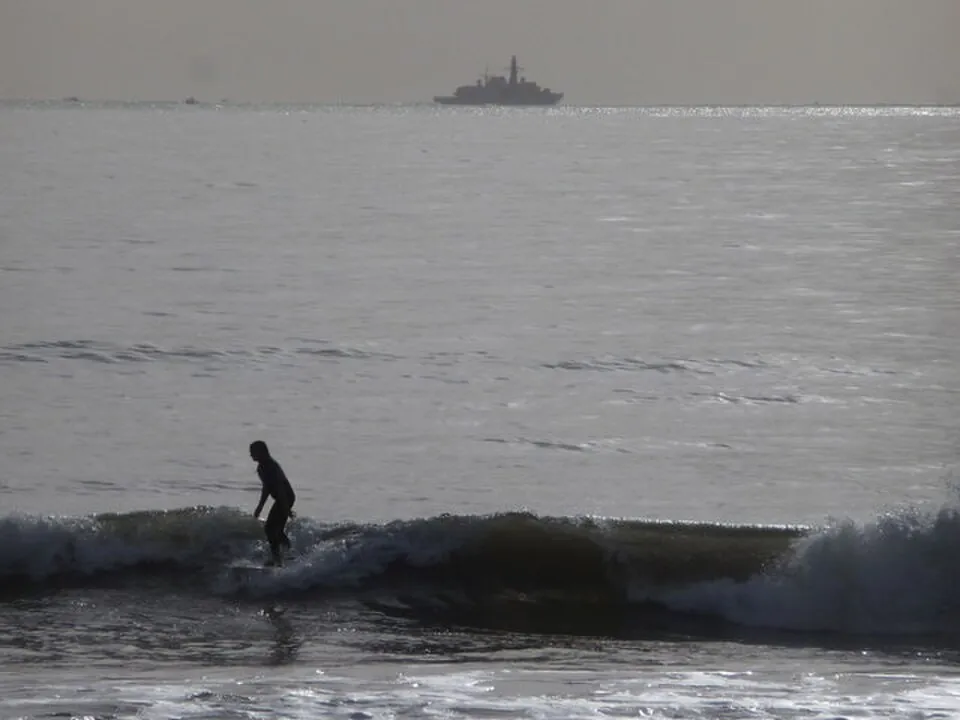
The first two Olympic surfing editions highlighted the close relationship between the event and its location. Tokyo 2020 used Tsurigasaki Beach in Chiba, Japan, while Paris 2024 staged surfing at Teahupo'o in Tahiti, French Polynesia. The Olympic discipline remained recognisable, but the environment presented the athletes with distinctly different possibilities and demands.
Location shapes technique
Coastal geography and the seabed influence how waves break. Available lines, manoeuvre windows and risk conditions change with those characteristics. Comparisons between the editions should therefore begin with the kinds of waves the surfers had to use, rather than treating the number of manoeuvres or a single-wave score as a universal measure.
Olympic and professional structures
Many Olympic athletes also have professional-tour experience, but the Olympics uses its own qualification and competition arrangements. A professional season ranking, an Olympic delegation and a medal from one event describe different things. Athlete profiles should identify the competition and year whenever achievements from these systems are placed side by side.
A useful historical perspective
A comparison can focus on wave selection, priority, execution and adaptation to conditions. Natural waves are not standardised copies, so the athlete's task is to make effective choices in the environment that exists. This approach respects the sport's particular character and avoids drawing overly simple conclusions from numbers detached from their original setting.