Surfing events often publish a period within which competition can take place instead of promising every round at a fixed daily time. Waves, wind, visibility and safety affect whether a session is suitable. Understanding this arrangement helps distinguish an appropriate pause from an organisational failure and shows how environmental judgement becomes part of running the event.
Finding suitable conditions
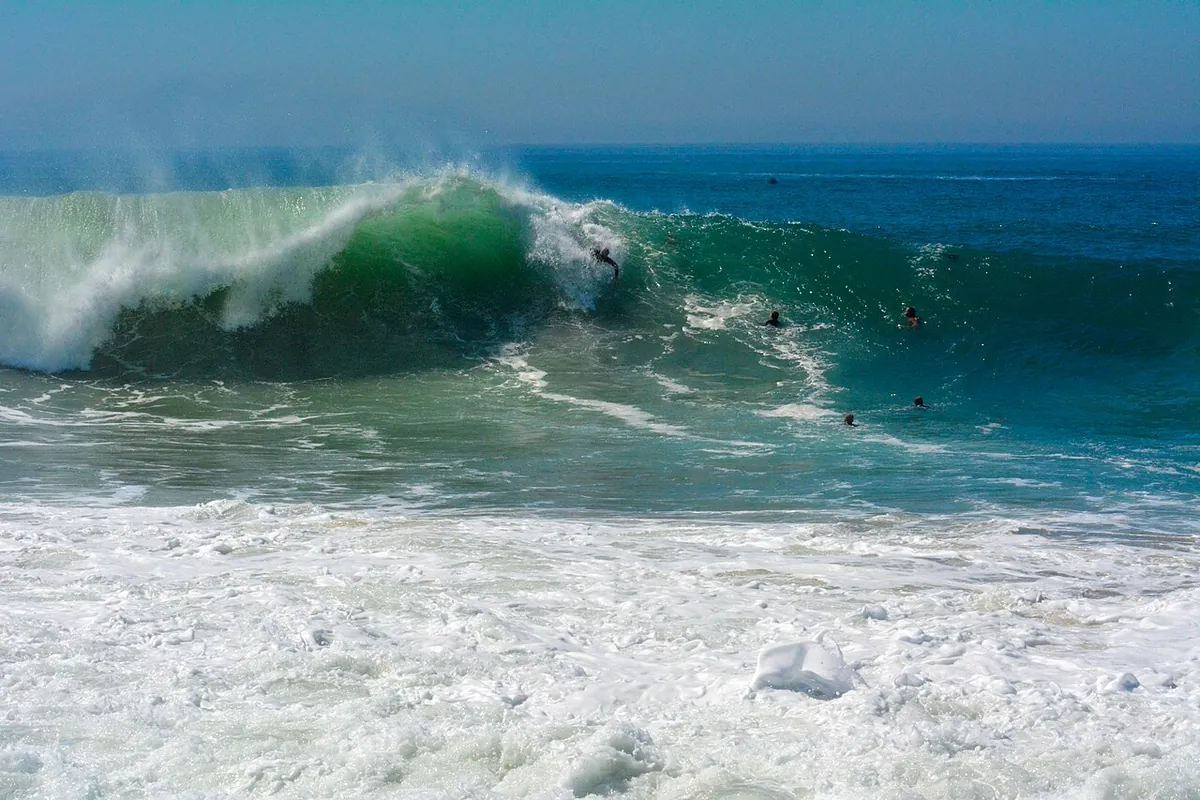
Organisers assess whether the available waves can support meaningful, fair competition and acceptable operating conditions. Bigger waves do not automatically mean better competition; shape and wind also matter. The waiting period provides a defined range of opportunities to select an appropriate session, rather than permission to change the schedule without reason.
Calls and updates
Official channels announce whether competition is on, when another assessment will be made or whether the day is paused. Athletes need to remain prepared, while viewers should follow the most recent official decision. A provisional time can change, particularly where tide and wind strongly influence the quality of the surf.
Build a viewing context
Before watching, identify the type of break and the basic conditions, then consider which manoeuvres those conditions allow. Scores from different days should not automatically be compared as identical measurements. The waiting-period system reflects the sport's relationship with nature, while the athletes' capacity to adapt remains part of the competition itself.