Surfing's course is continually appearing and disappearing. The next wave cannot be instructed to reproduce the previous one. Reading the ocean means estimating where to take off, where speed can be built and where a useful manoeuvre might become possible. It connects observation of conditions with technical choices made in real time.
Start with the peak
The peak and the way the face opens determine the available direction and how long the ride may remain usable. A tall wave is not automatically a good scoring platform; a smaller one may offer a clearer, more continuous line. Watch how the wave breaks before judging why the athlete chose a particular take-off position.
Match speed to the wave
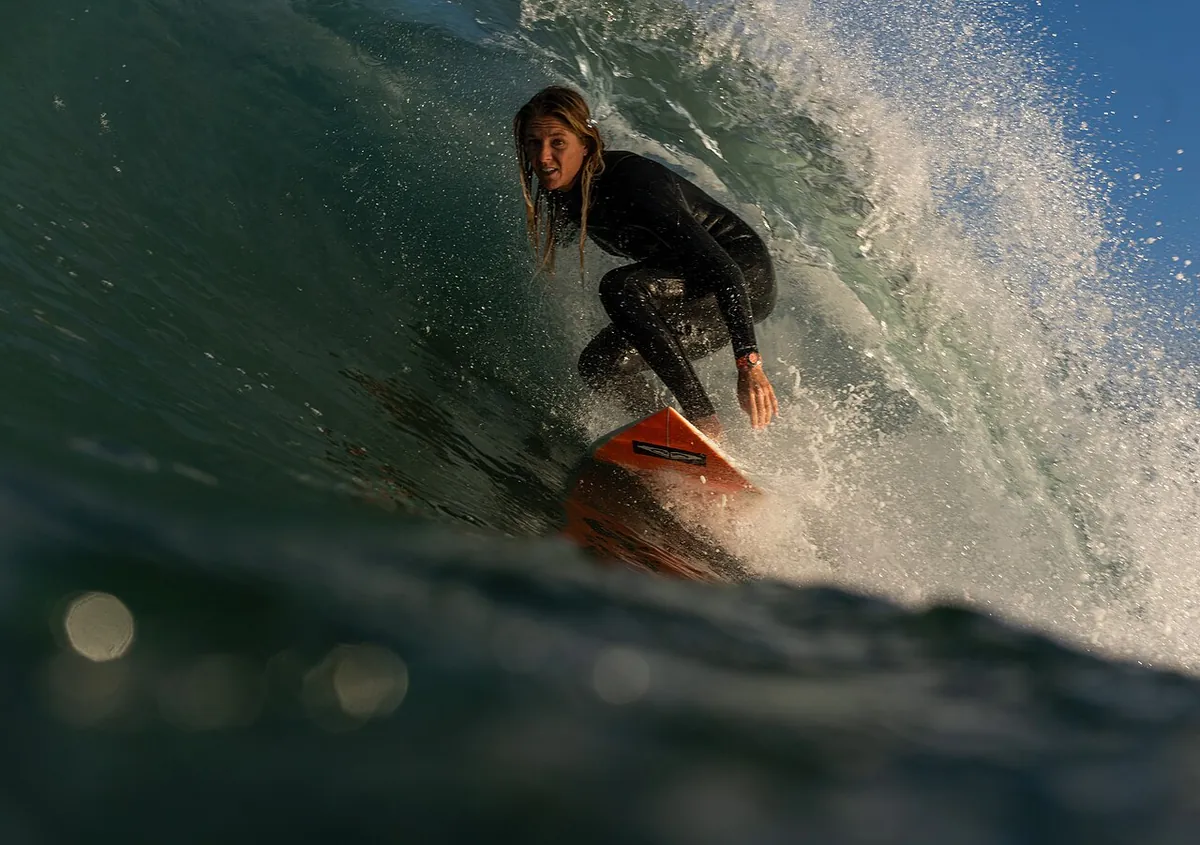
The board must remain connected to the wave's usable energy. Travelling too far ahead can remove access to the strongest section, while moving too slowly can allow the white water to catch up. Turns, pressure and line adjustments regulate that relationship. Follow the connections between manoeuvres as well as their individual highlights.
Conditions keep changing
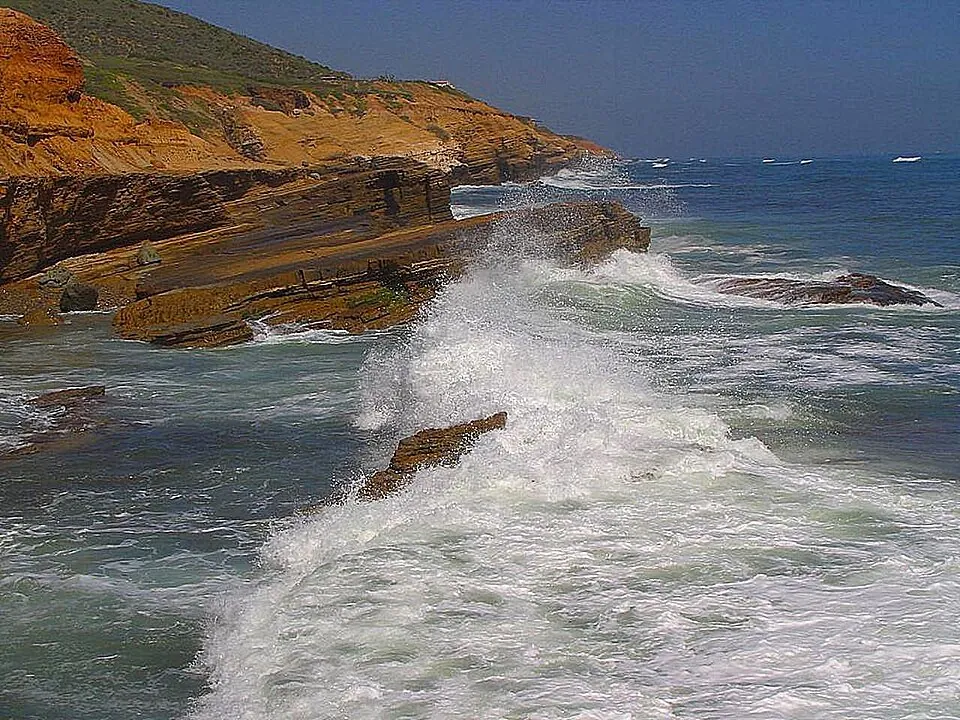
Tide, wind and swell affect the competitive environment, so an earlier judgement may need updating. Rules and event management seek fair competition, but cannot make natural waves identical. A balanced interpretation acknowledges variation while recognising that identifying and using those conditions is itself part of the athlete's competitive skill.