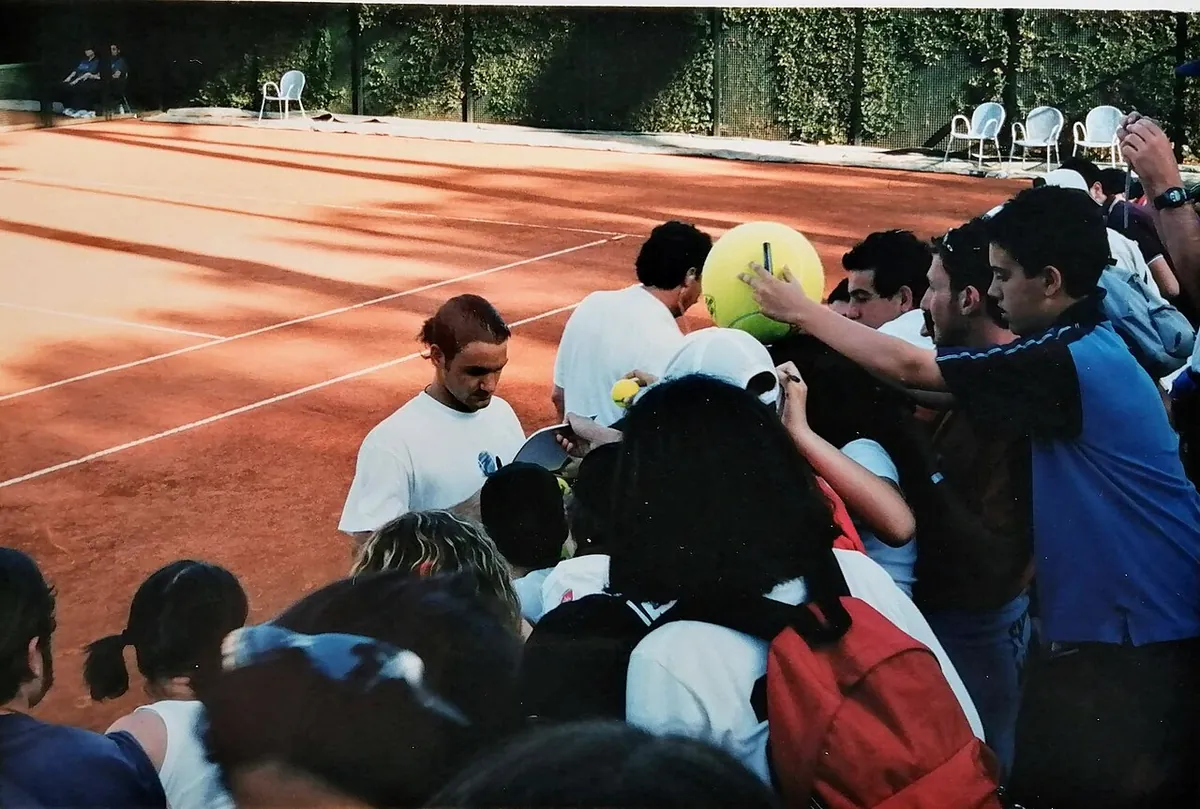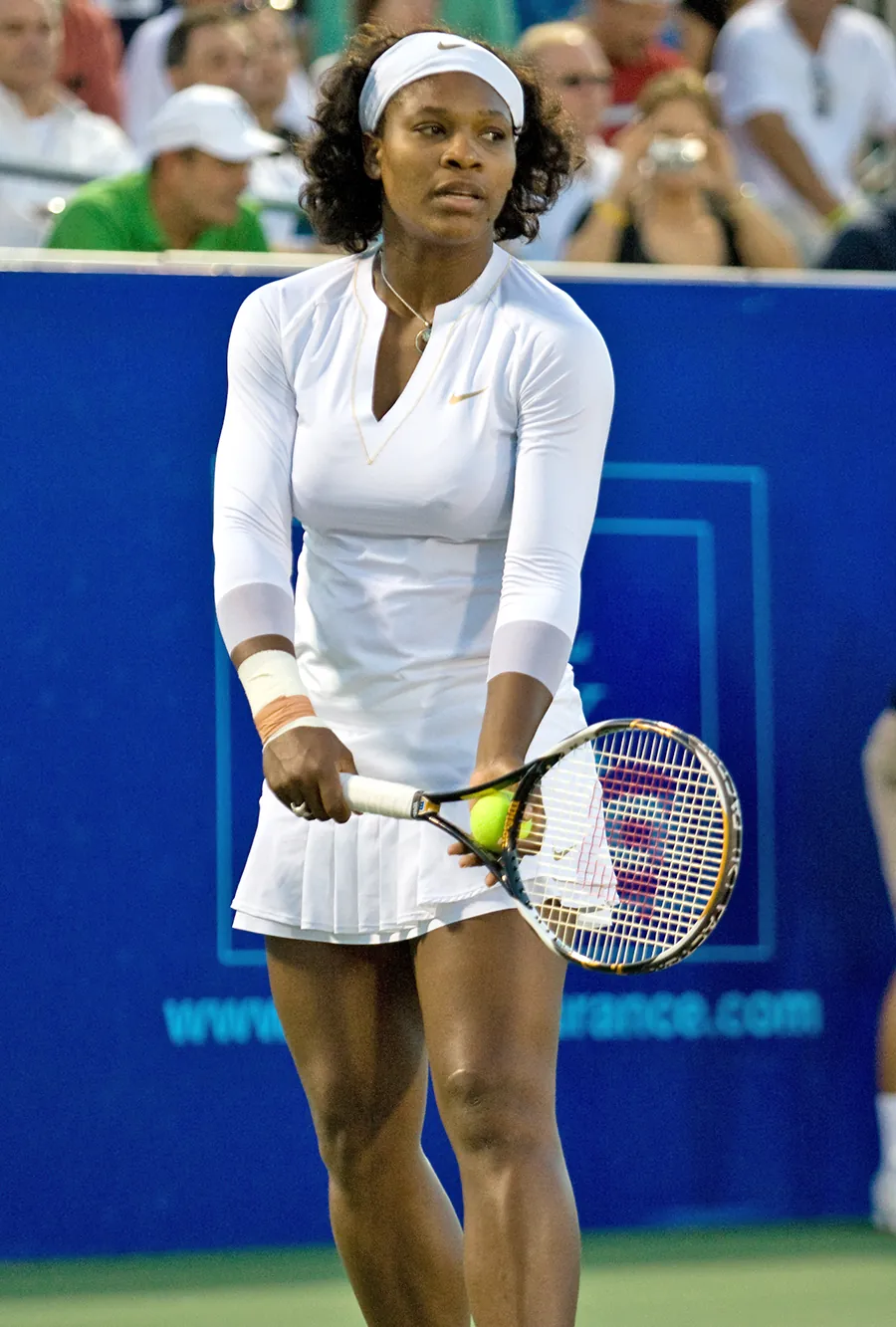
During a baseline exchange, players compete for comfortable contact positions as much as for immediate winners. Depth can prevent an opponent stepping into the court, while angles demand lateral movement. Each stroke alters the conditions for the following one, making it useful to watch the rally as a developing positional contest.
Depth restricts forward movement
A ball landing near the baseline can make it harder for the opponent to advance and strike freely, but depth needs appropriate height and spin. Aiming too close to the line increases error risk. Compare where each player stands at contact to identify who more regularly controls the ball from a comfortable location.
Cross-court play offers useful margins
The diagonal generally provides a longer path and crosses the lower central part of the net, helping sustain an exchange. Changing down the line redirects the opponent's movement but introduces different control demands. Continuing cross-court may therefore represent a deliberate wait for a better ball rather than an absence of tactical ambition.
Change direction when the body can support it
A deep reply or late contact can make a forced redirection unreliable. A shorter ball offers more opportunity to step forward and create an angle. Review the two or three shots before a winner: the decisive advantage may have been established through position well before the final striking action.