Net play looks immediate and decisive, yet its outcome is often shaped before the player reaches the service line. The approach must influence the opponent, the movement must cover the likely angle, and preparation must allow a response. Treat the volley as the end of that process rather than its beginning.
The approach creates the conditions
A deep, pressing shot can force the opponent to strike from an awkward position and reduce passing options. Following a neutral ball forwards may instead give the opponent comfortable preparation. Assess the opponent's contact conditions before judging the approach. Being close to the net alone does not establish an attacking advantage.
Cover the angle created by the ball
The best net position changes with the opponent's location, so the geometric centre of the court is not always the right place to stand. A split step prepares movement in either direction. These small positioning decisions are easy to miss in highlights but essential to understanding how much of the court remains covered.
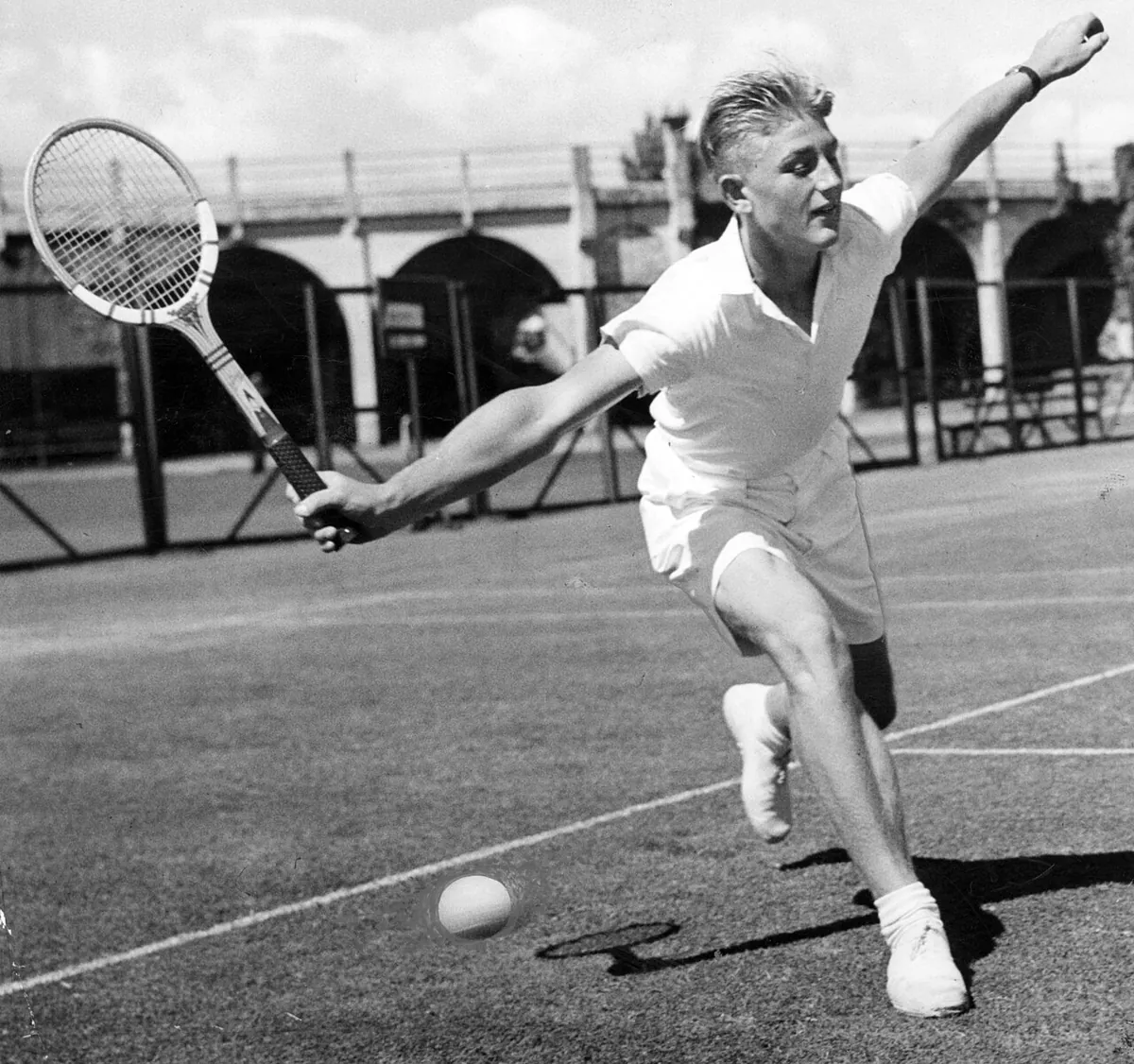
Control matters more than a large swing
There is little time at the net, and an expansive action can reduce reliability. A stable racket face and concise movement help direct the ball. A low volley may need to establish a better position for the next shot rather than end the point immediately, making patience relevant even in attacking territory.