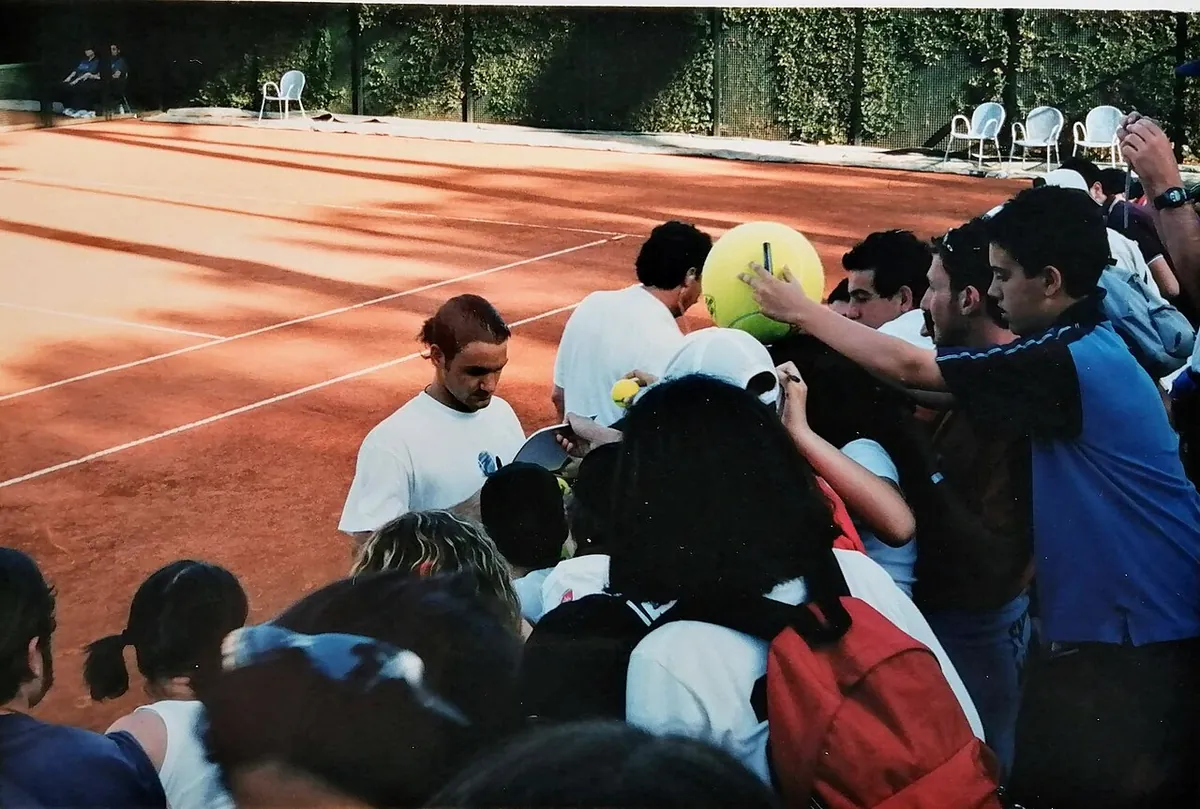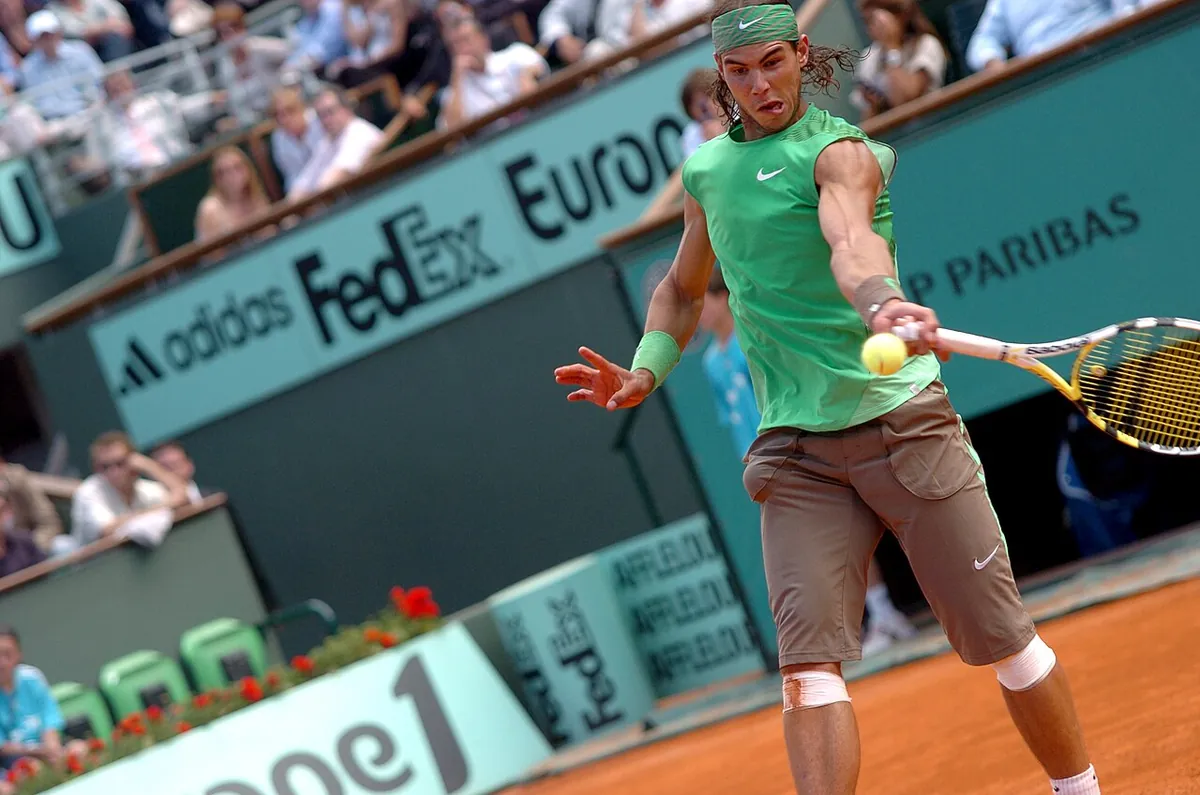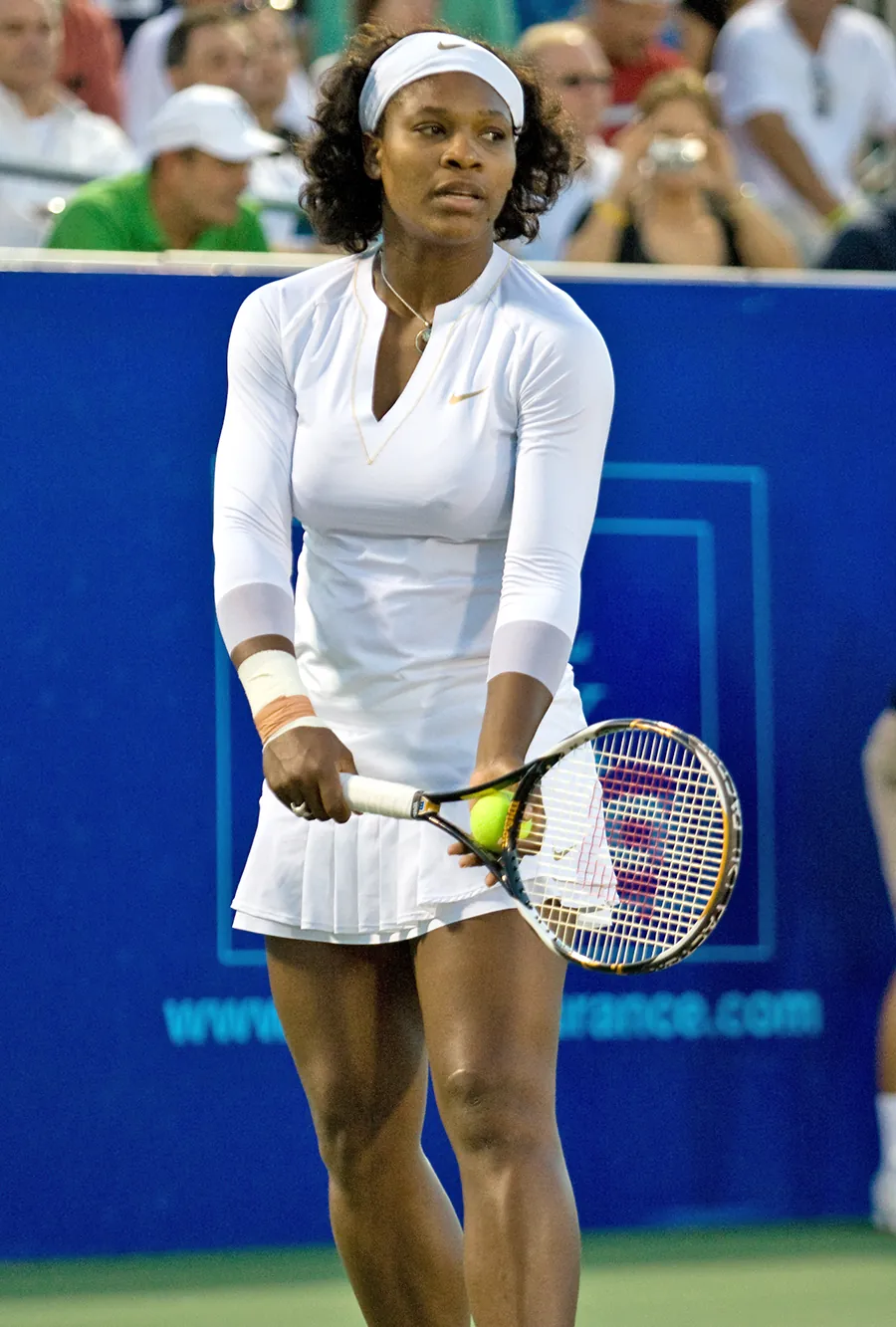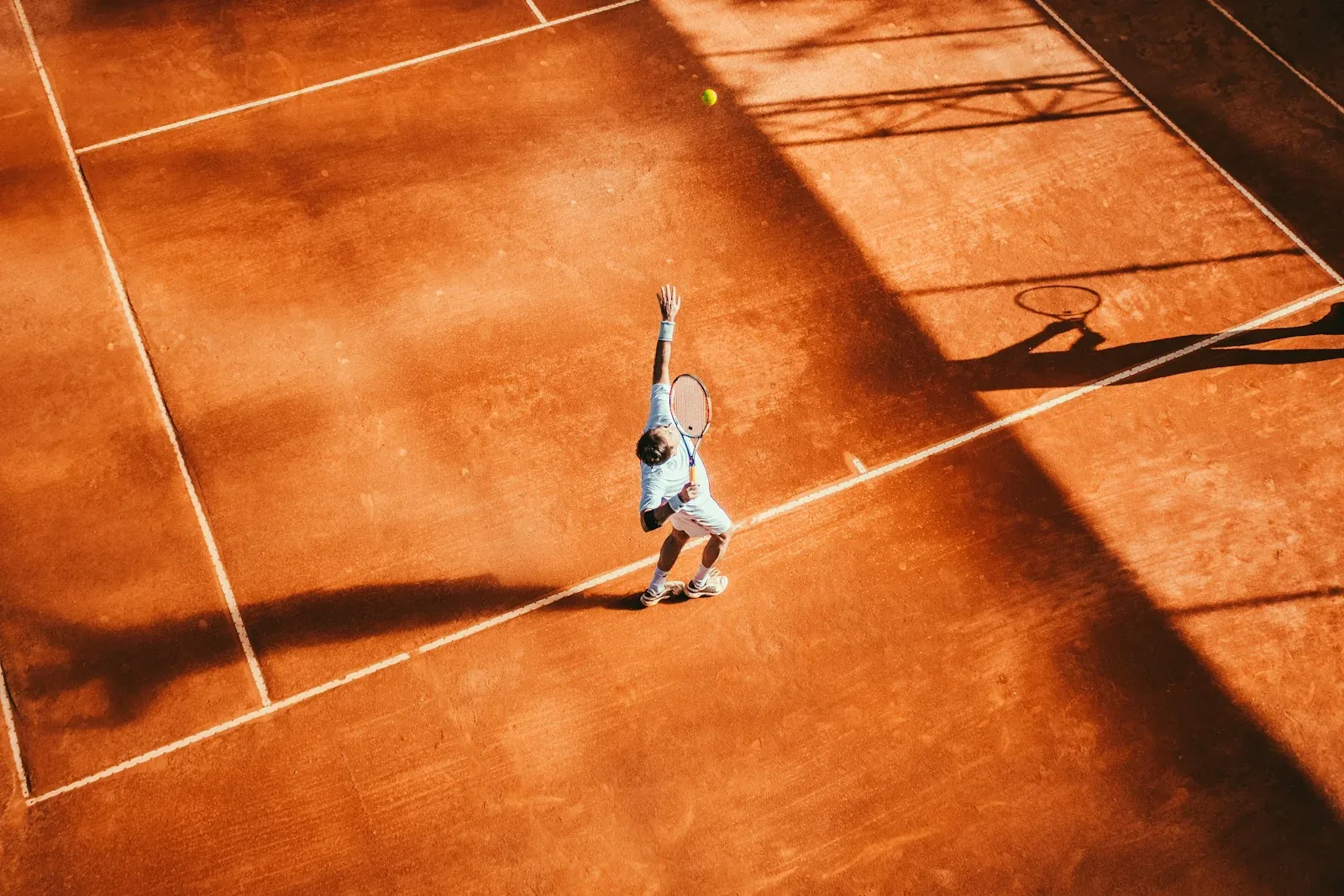
A tennis court’s colour is more than part of an event’s identity. Its material, the interaction between ball and ground, and the way players move all influence play. Clay, grass and hard courts offer different environments, but fixed labels such as always fast or always slow oversimplify the picture. The ITF classifies court pace separately from material type. Balls, weather and maintenance can also matter. Distinguishing a surface category from the conditions of an actual match makes comparisons more useful.
Clay: patience and rebuilding the point
Clay often brings spin, sliding and extended exchanges into focus. Players need to recover after striking the ball and decide when a change of direction is worth attempting. Patience does not simply mean returning every ball passively. It can mean maintaining quality until a shorter reply allows forward movement. Watch changes in depth. A player pushed repeatedly behind the baseline may already be losing control of the rally, even before the point itself is lost.
Grass: preparation and compact responses
Grass-court matches often highlight the return and the first few shots. Players need to read the incoming ball early and adjust within the time available. Low balls, slice and movement towards the net can give rallies a different character from clay. Nevertheless, the surface name cannot predict every match: individual skills, the ball and the conditions still matter. Watch how return positions and preparation change instead of assuming that every grass match must follow one tactical pattern.
Hard courts: one label, several environments
Hard courts are not a single uniform surface. Coatings, construction systems and maintenance can produce differences in pace and bounce. Two blue courts should not automatically be treated as identical. Notice whether players choose to stand inside the baseline, whether depth pushes opponents back, and how passing shots affect approaches to the net. The material category provides a starting point; the rallies show how that particular playing environment behaves.
Movement affects shot selection
A shot begins before the swing. A player must reach an appropriate position, manage balance and connect the stroke to recovery. Surface feedback and braking conditions affect that process. Slow motion is useful for watching the last steps before contact and the change of direction afterwards. A professional’s movement should not be copied uncritically in recreational practice, particularly when it involves unfamiliar sliding or other demanding actions. Observation and individual coaching serve different purposes.
Compare similar situations
To investigate surface differences, watch the same player handling comparable situations on different courts: a second-serve return, a baseline exchange or an attack on a short ball. Track position, net clearance and the timing of forward movement instead of only the winner. Different opponents introduce another influence, so the comparison cannot prove that every change was caused by the surface alone. Keeping that limitation in mind helps reveal the adaptable decision-making that tennis requires.