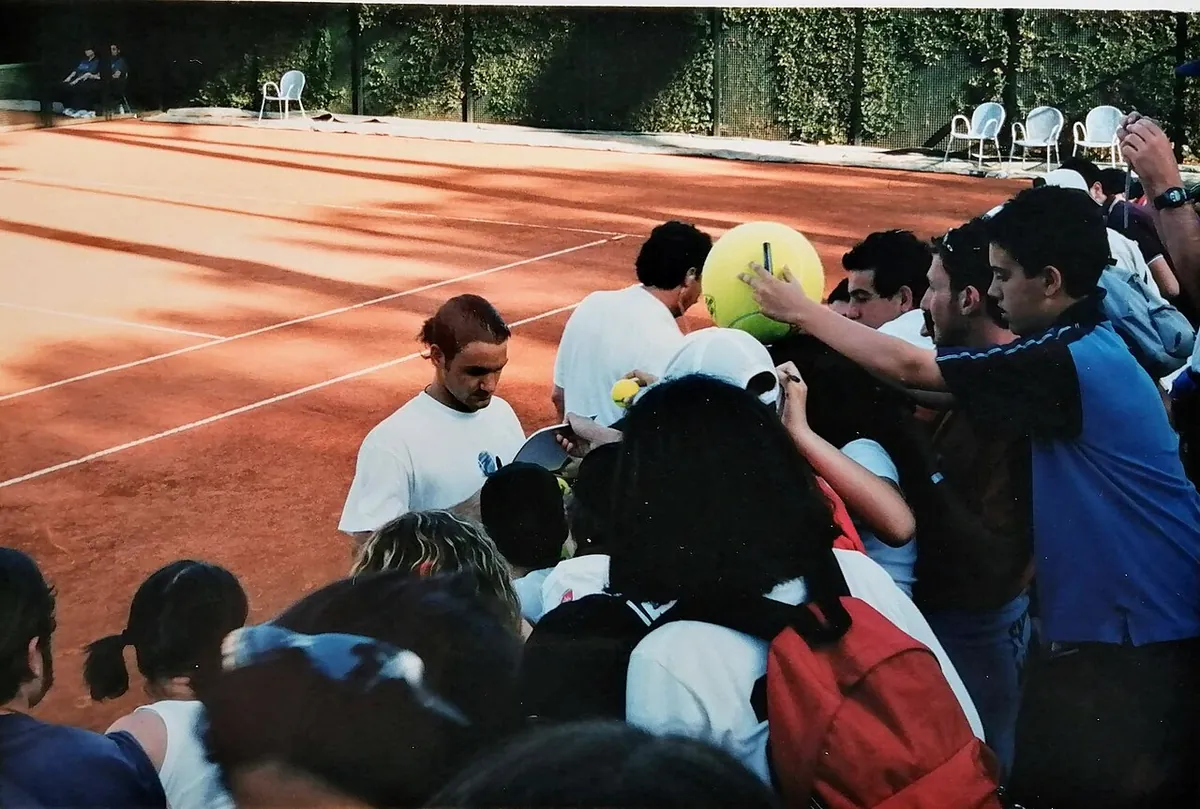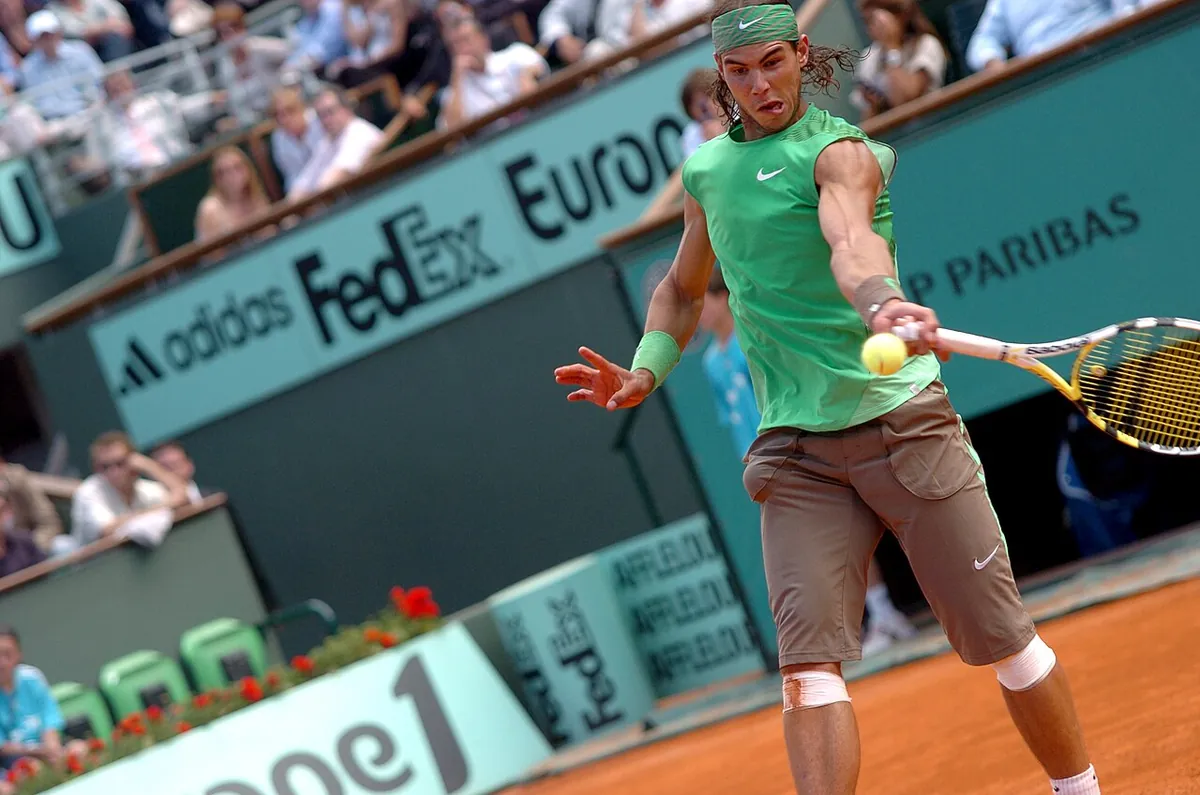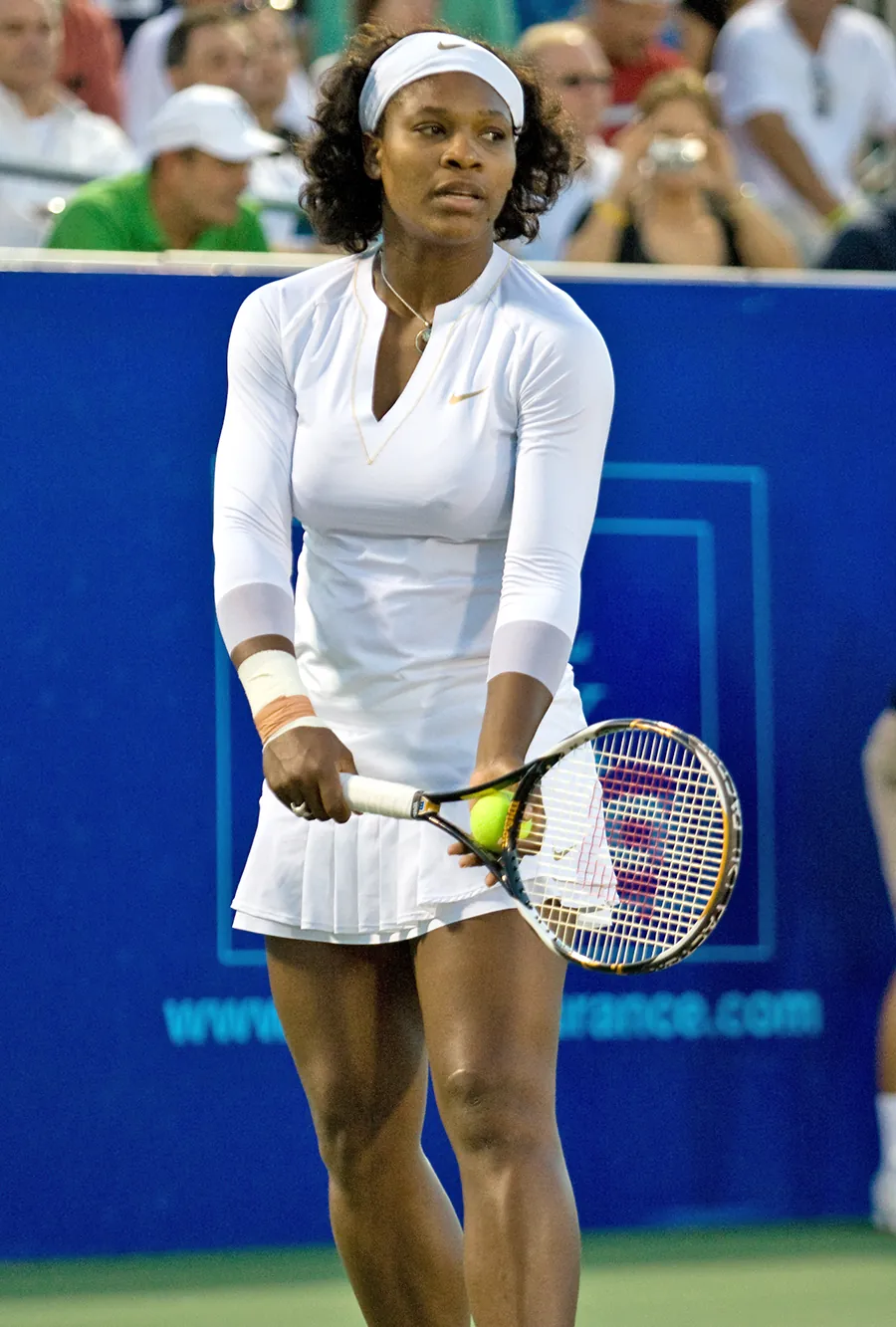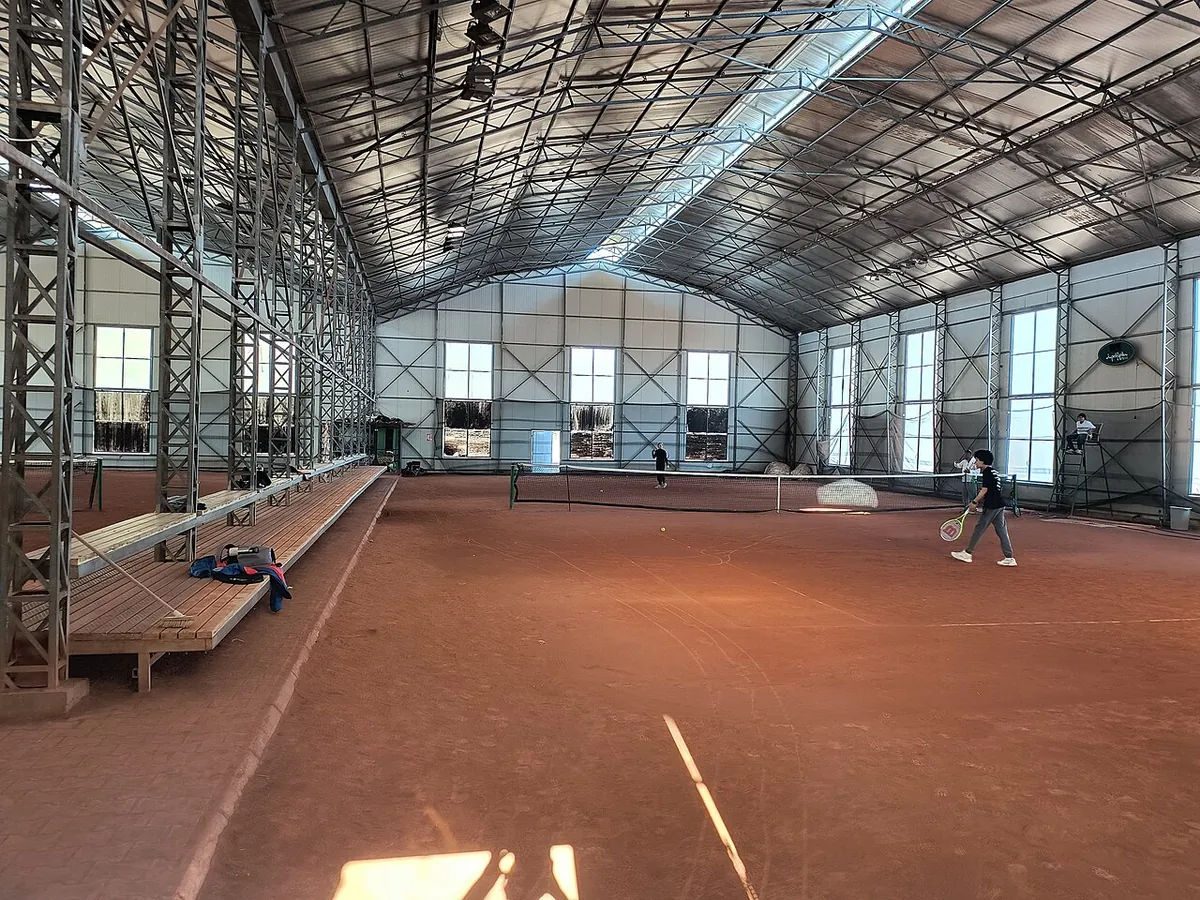
A tennis court's surface participates in the rally rather than merely providing a background colour. Grass, clay and hard courts place different demands on bounce and movement, but conditions also vary within each category. Weather, balls and maintenance affect the experience, so a surface label does not predetermine how every match will unfold.
Clay changes bounce and recovery
Clay often provides more time to organise a rally, and sliding becomes an important movement skill. A higher bounce can increase the effect of topspin, although the actual result still depends on shot quality. Watch how a player regains balance after sliding and uses depth to push the opponent behind a comfortable position.
Grass tests preparation for lower contact
Lower-bouncing balls can require earlier preparation and adjustments in body height. Serving and forward movement may bring rewards, but reliable baseline play remains important. Describing grass tennis as only a serving contest overlooks the influence of returns, slice and the ability to handle the ball from a low contact point.
Hard courts are not one uniform speed
Materials and construction can produce different friction and pace characteristics. Players still need to combine movement, consistency and directional changes. When comparing results across surfaces, consider the opponent, weather and specific event conditions, rather than attributing every difference to a simple category of player preference.