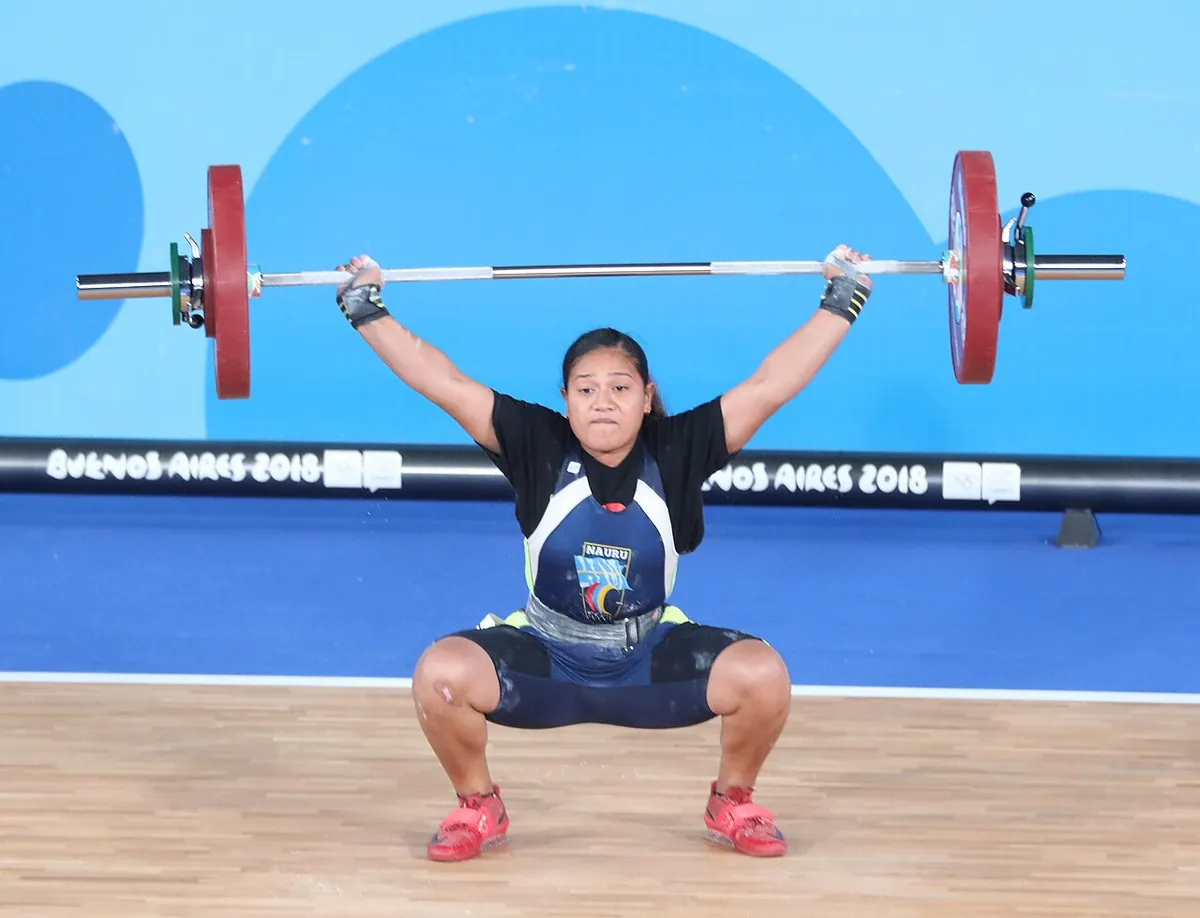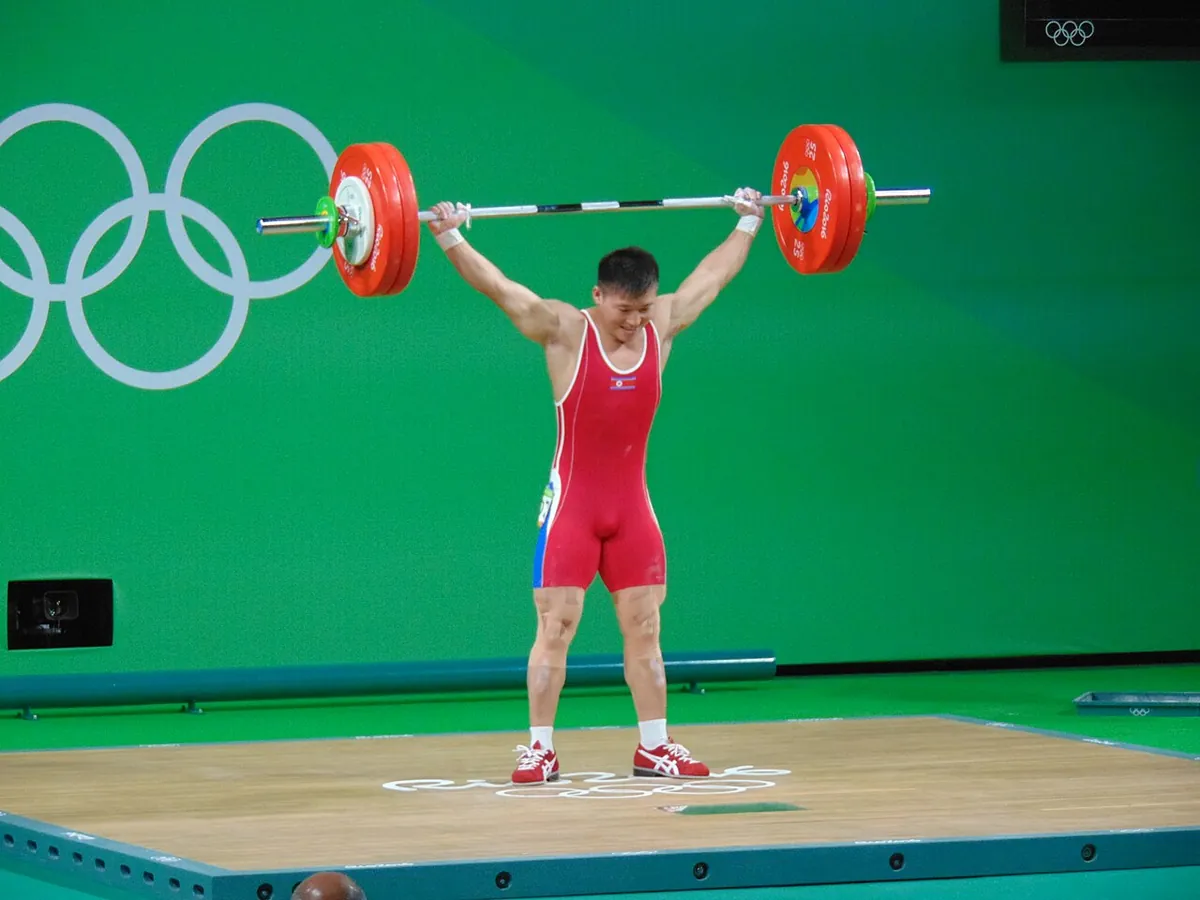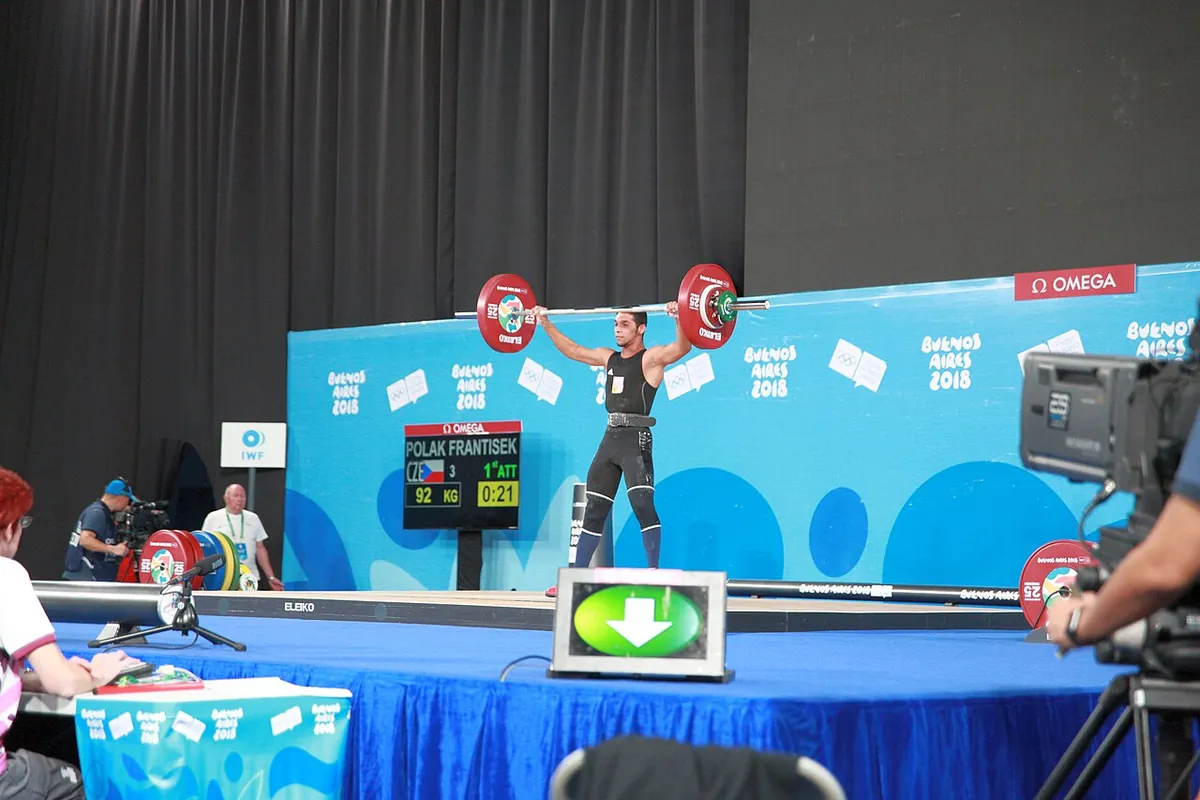
Weightlifting tactics are expressed through declared loads and attempt choices. Lifters and coaches must weigh demonstrated ability, the day's condition and opponents' valid results against a limited number of opportunities. IWF procedures govern changes and order. Following the declarations on a result sheet makes these choices easier to understand.
A lighter opener is not always the safest plan
A lower opening weight can establish a result but may require larger later increases to challenge rivals. A higher opener reduces the room for adjustment. The appropriate choice depends on reliable capability and the competitive objective. Viewers lack much training information, so the outcome alone cannot prove that a coaching decision was obviously right or wrong.
Calculating the final target
A last attempt might seek a better personal total, a placing or a planned competition goal. The points gap can indicate the weight needed to move ahead, subject to declaration rules. Mathematical sufficiency and physical capability are different questions. The final-attempt drama comes from bringing those two considerations together with only one opportunity remaining.
Order changes preparation
A declaration can affect how long the athlete waits or how quickly another attempt follows. Coaches therefore consider timing as well as kilograms. Compare declared changes with the actual lifting order to see their consequences. A legal adjustment should not automatically be described as an attempt to disrupt a rival; it may serve the athlete's own preparation.