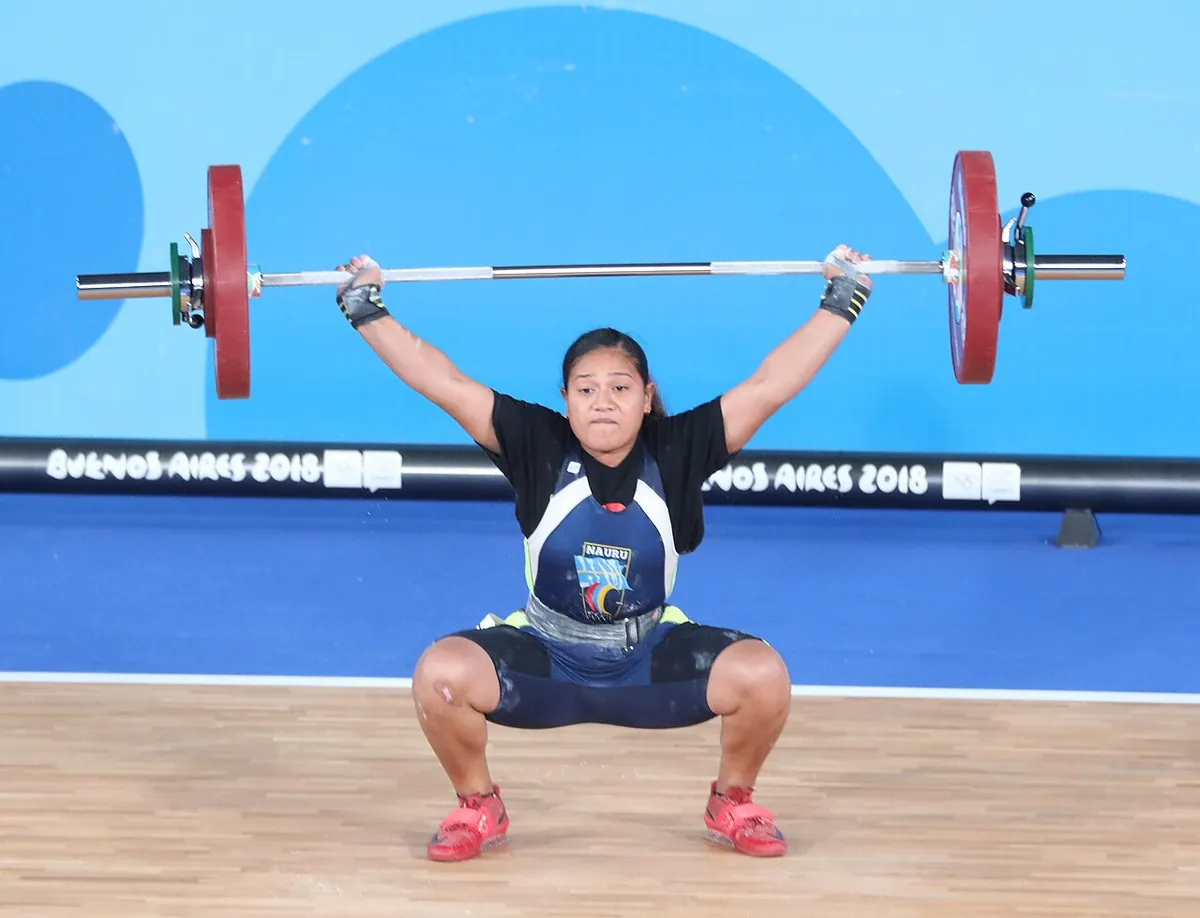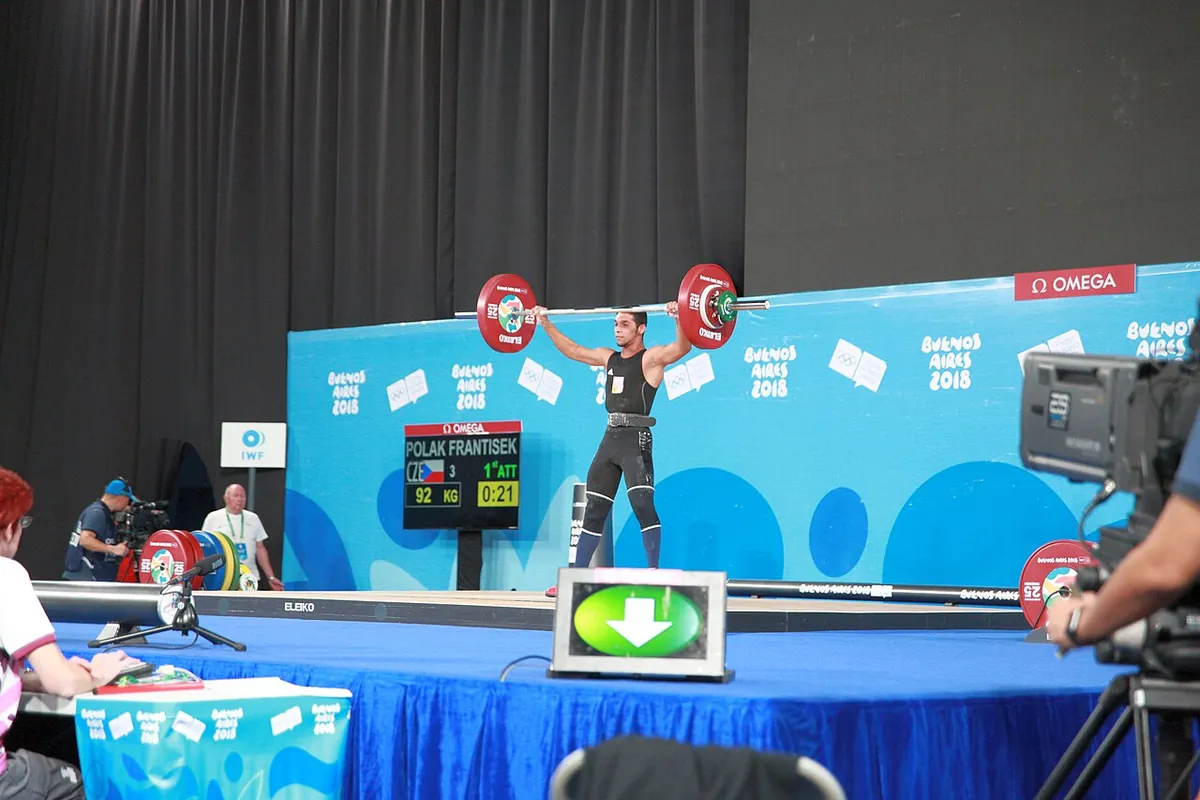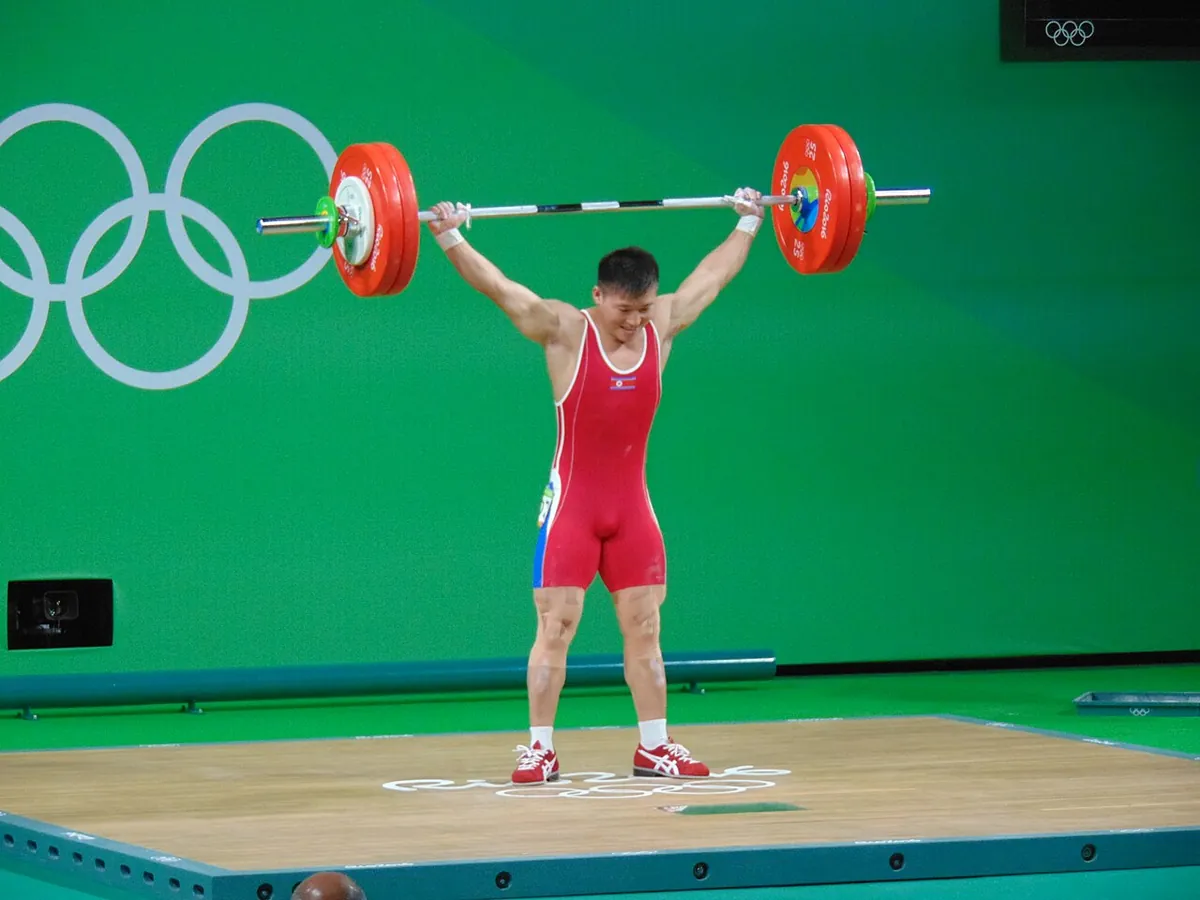
Standard IWF competition provides three attempts in the snatch and three in the clean and jerk. The best valid result in each lift is added to form the total. Medal arrangements can vary by event, but this structure explains why establishing a result and choosing subsequent weights are central competitive decisions.
Build a valid foundation
Without a valid result in one lift, an athlete cannot form the normal two-lift total. An opening attempt therefore establishes a foundation as well as approaching a target. After failure, the next choice depends on what happened, the opportunities remaining and the declaration rules. Increasing the weight is not automatically the appropriate response.
Separate the lift standings from the total
A snatch leader can be overtaken in the clean and jerk. Another athlete may win through a more balanced combination. Track the best snatch, best clean and jerk and combined total separately so that the current lift's ranking is not mistaken for the final standings. Comparisons across weight categories require additional context too.
Do not add every successful attempt
Only the best valid performance from each set of three contributes to the total. Repeating a weight successfully does not add that weight again. Divide the result sheet into its two lifts, identify the highest valid result in each, then add them. This also makes it clear where an athlete still has an opportunity to improve.