The clean and jerk comprises two connected phases. The lifter brings the bar from the floor to the shoulders, stands and prepares, then drives it overhead and establishes the required control. This intermediate loaded position distinguishes the movement from the snatch and gives spectators two separate technical sequences to follow.
The clean prepares the jerk
After receiving the bar, the athlete must stand and stabilise it at the shoulders. This requires effort and establishes the position for the next phase. A difficult recovery does not make the jerk impossible, but it changes the conditions. Watch the stability after standing rather than declaring success as soon as the bar reaches shoulder height.
The overhead finish
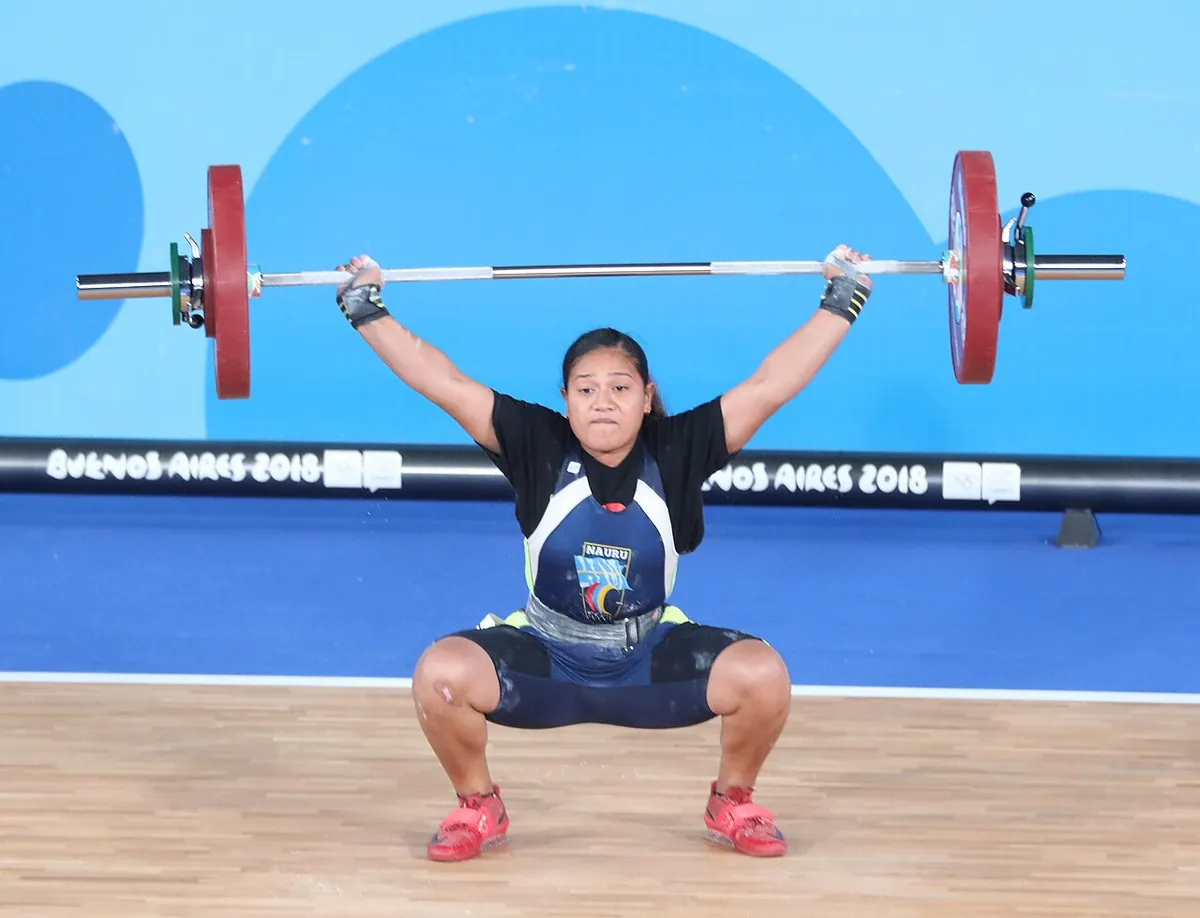
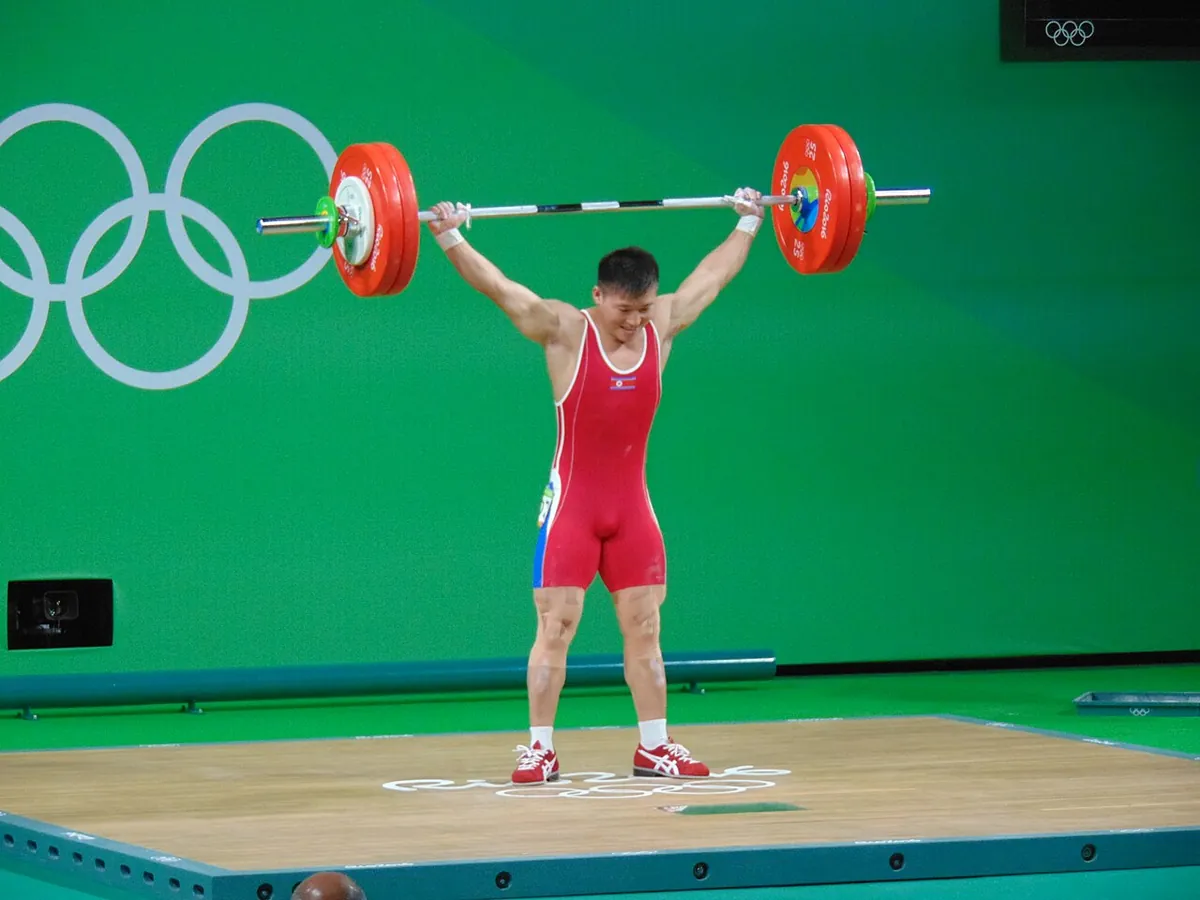
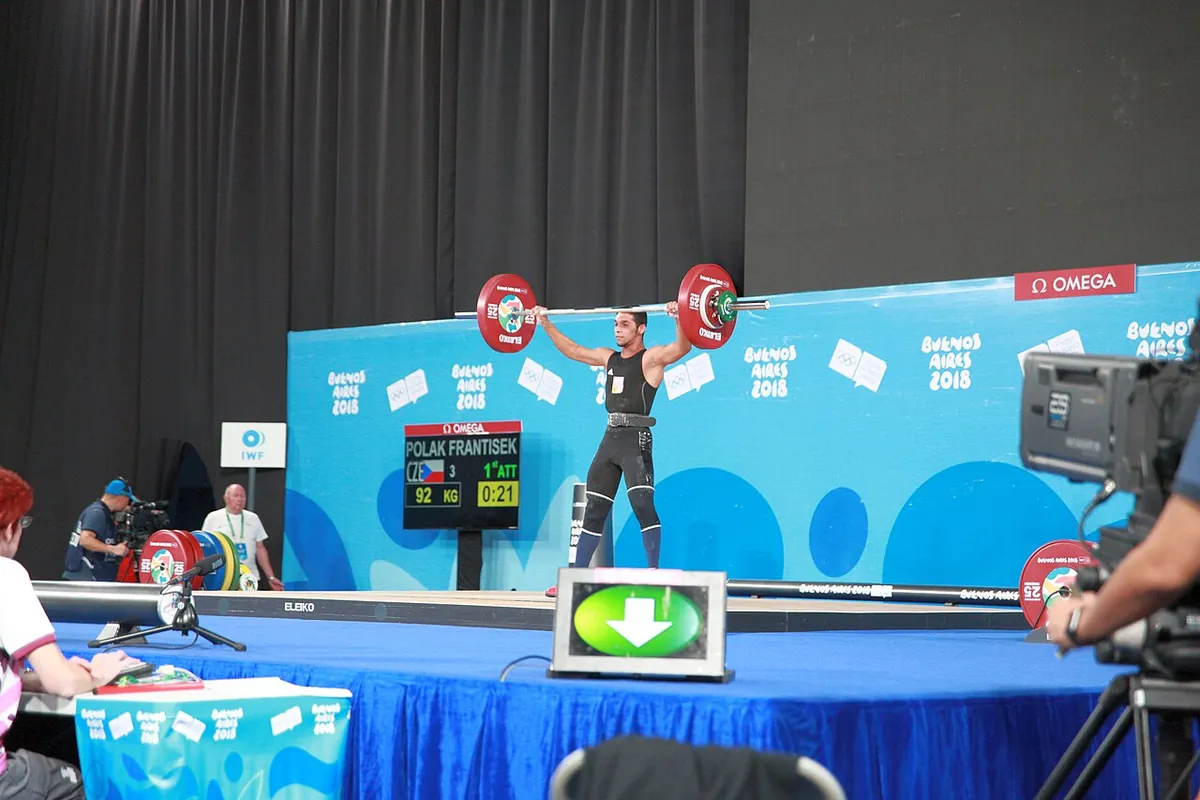
The jerk combines leg drive with a change of body position to receive the bar overhead. Athletes can use different receiving patterns, but must satisfy the applicable finishing requirements. Officials may wait while the feet or body are still being adjusted. A momentary image of the bar overhead cannot replace the completed action and referee signal.
Preparation between the phases
The pause after the clean allows the athlete to organise the jerk while still carrying the load. A longer pause does not automatically indicate surrender or successful recovery. Compare the position before the drive, the movement into the jerk and the balance afterwards. These details explain more than simply counting how many seconds the athlete waits.