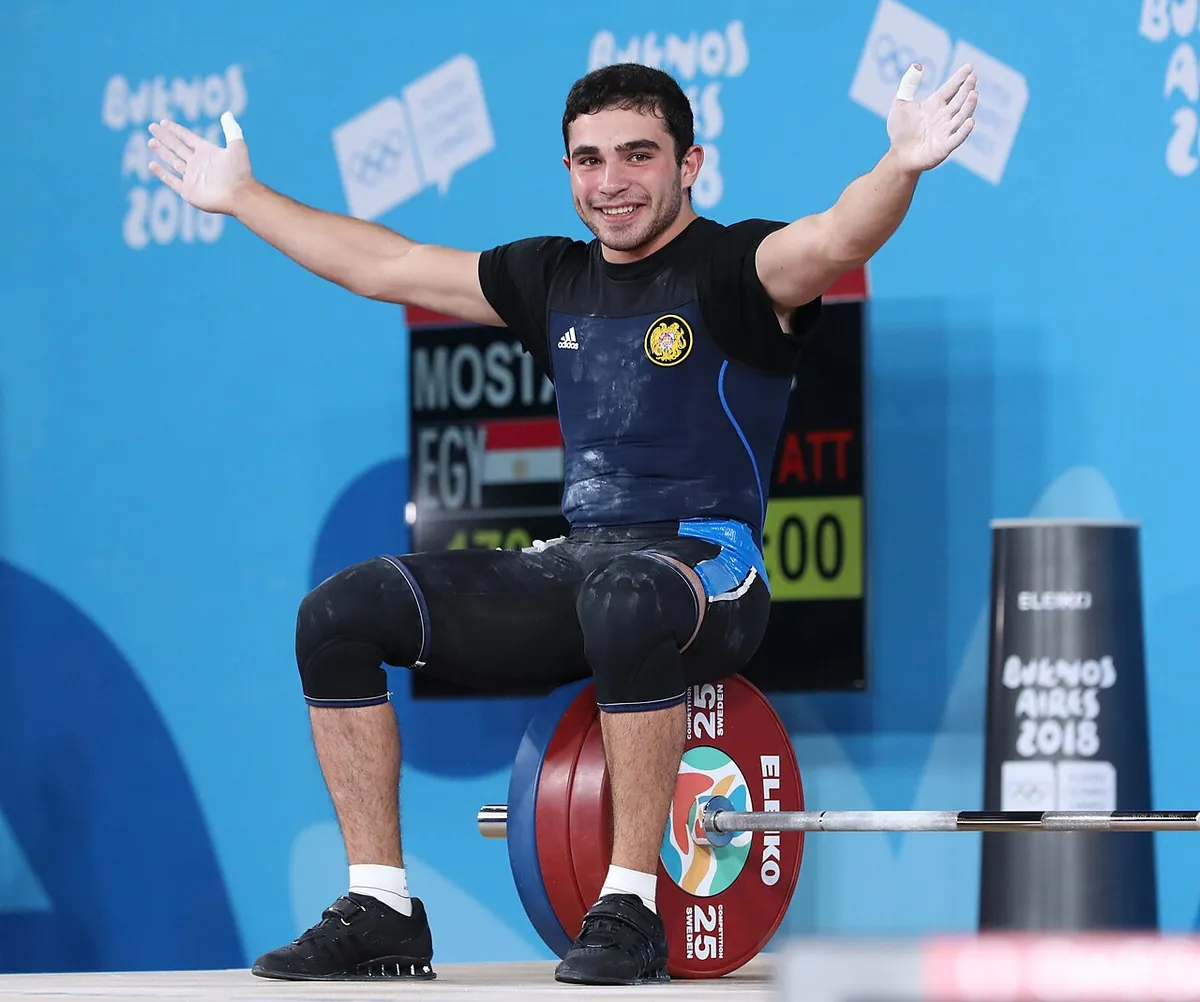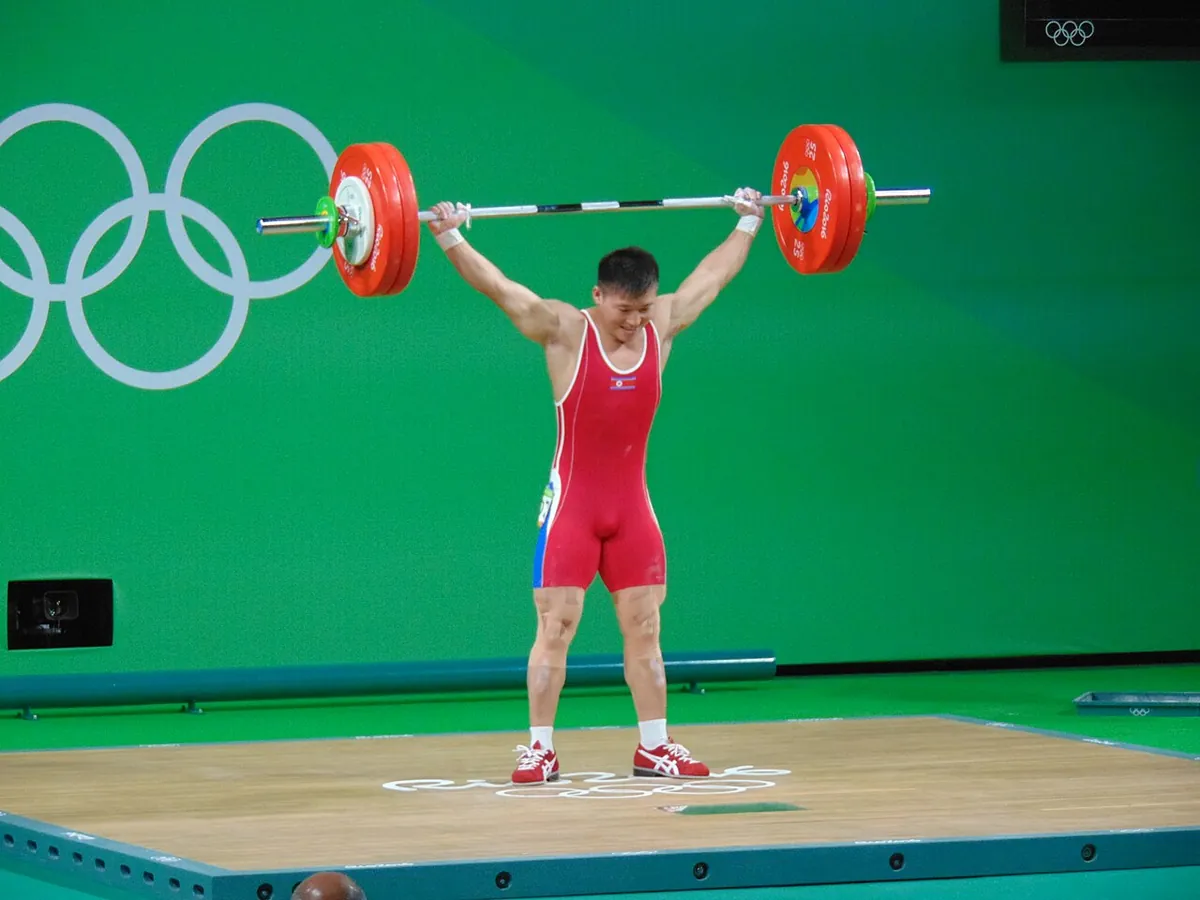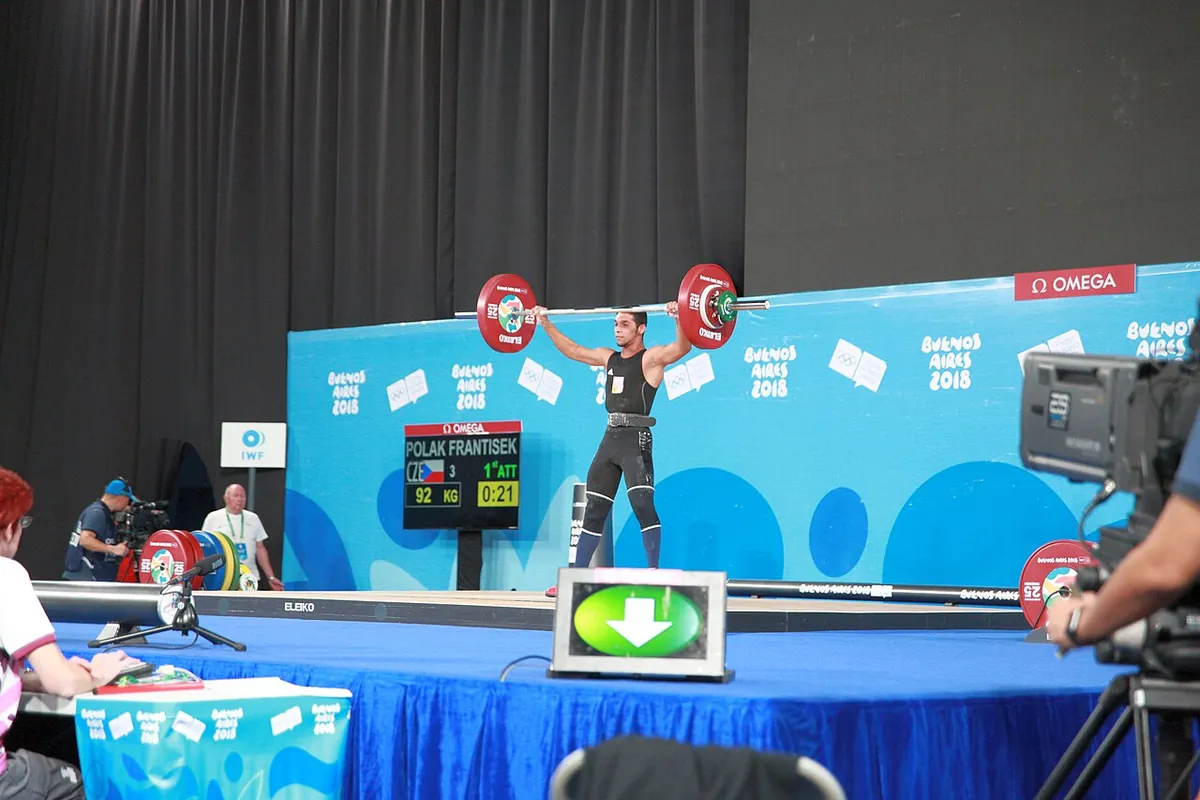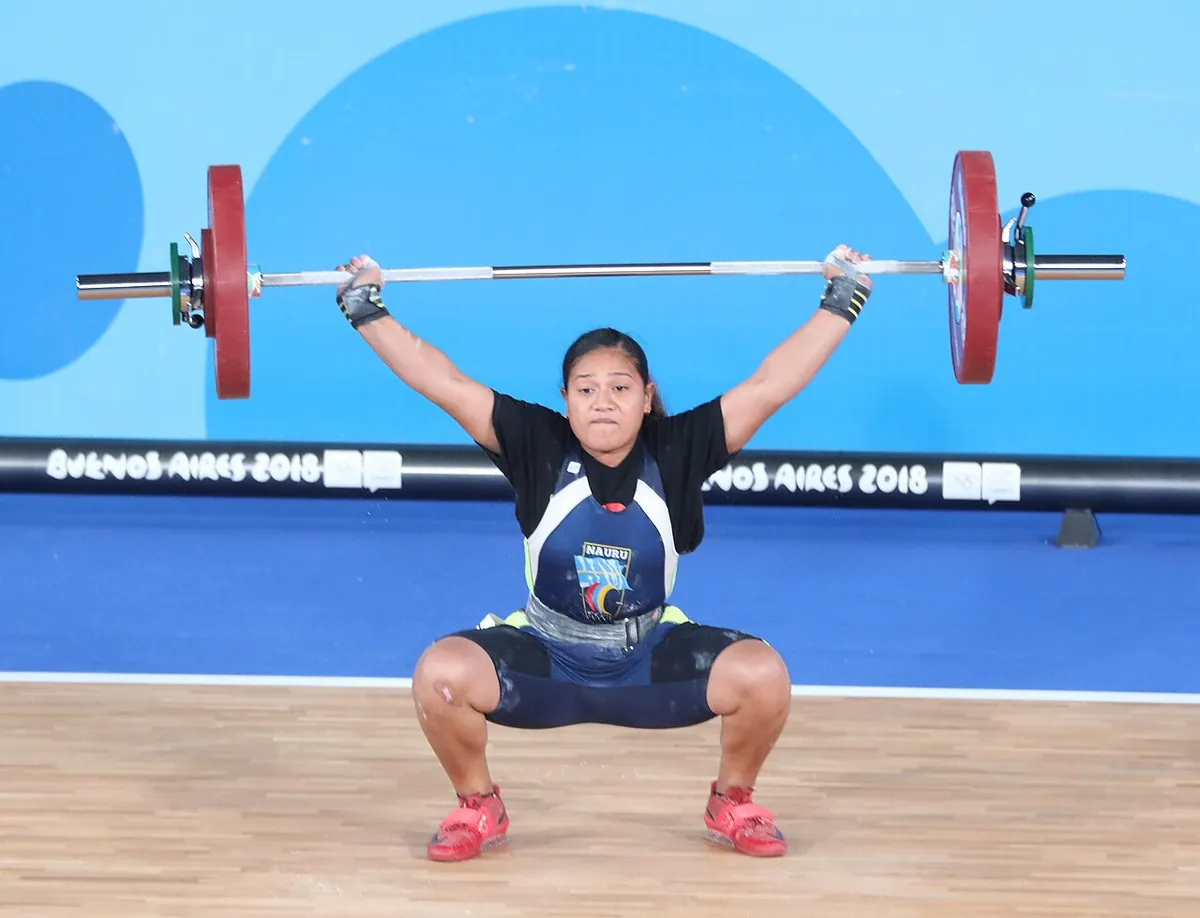
The snatch is one of the two lifts in International Weightlifting Federation competition. The bar moves from the floor to overhead in a continuous action, followed by the required controlled finish and signal to lower it. Pulling, accelerating, receiving and standing all contribute to whether the attempt is valid.
The body moves around the bar
The snatch is not simply an arm-powered lift. After accelerating the bar, the athlete changes position to receive it. Watch the bar's relationship to the body and the stability of the receiving position. Raising it impressively high does not produce a successful attempt if the athlete cannot bring the load under control afterwards.
Receiving is not the finish
The lifter must reach the required finishing position, demonstrate control and wait for the down signal. Elbow action, balance and body position can affect the decision. Spectators may begin cheering before the attempt has officially ended. The referee result is therefore more dependable than the observation that the bar briefly reached an overhead position.
Why receiving depth varies
Receiving depth reflects physical characteristics, bar speed and technical habits. A deeper or shallower position is not automatically better. Examine whether the lifter can stand securely after receiving the weight. A fast pull followed by repeated recovery steps suggests that speed and receiving position were not necessarily well matched, even if the bar was ultimately retained.