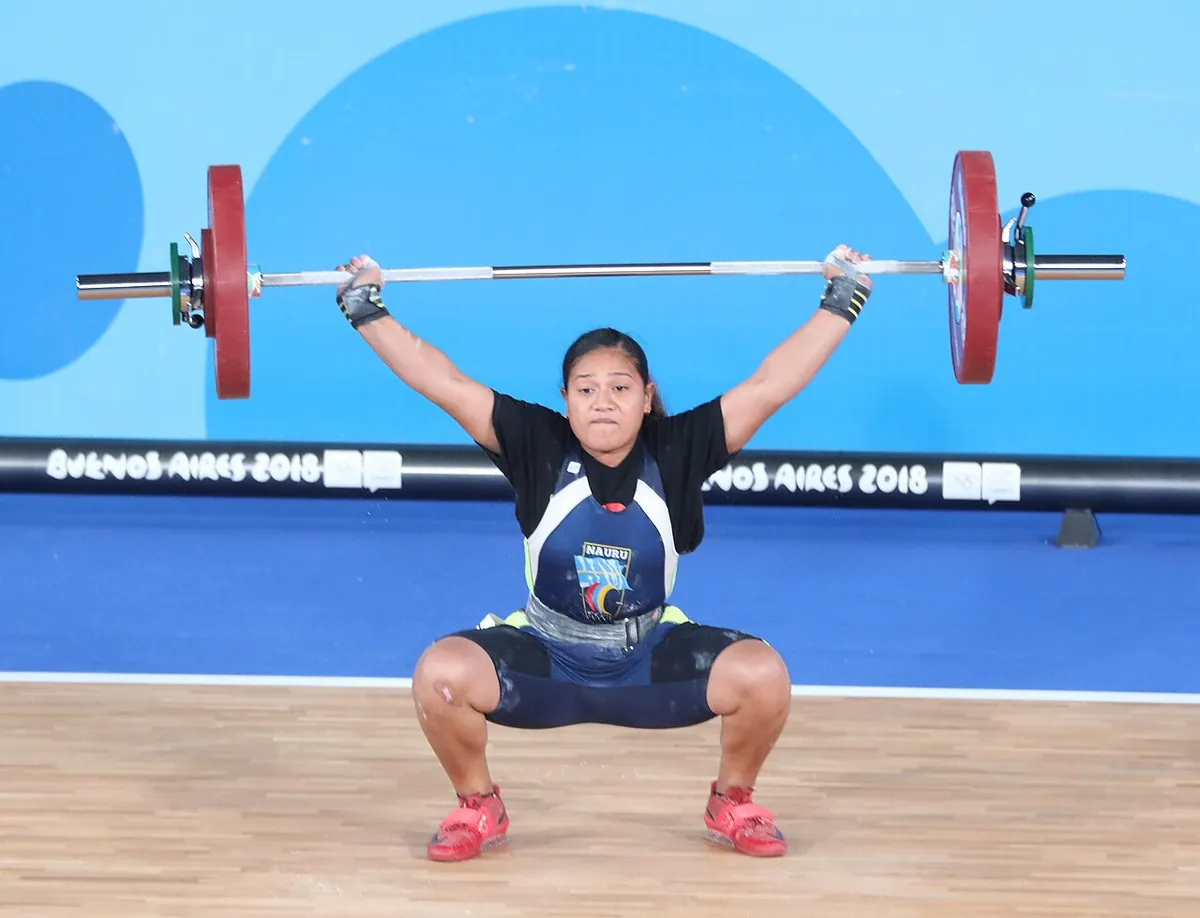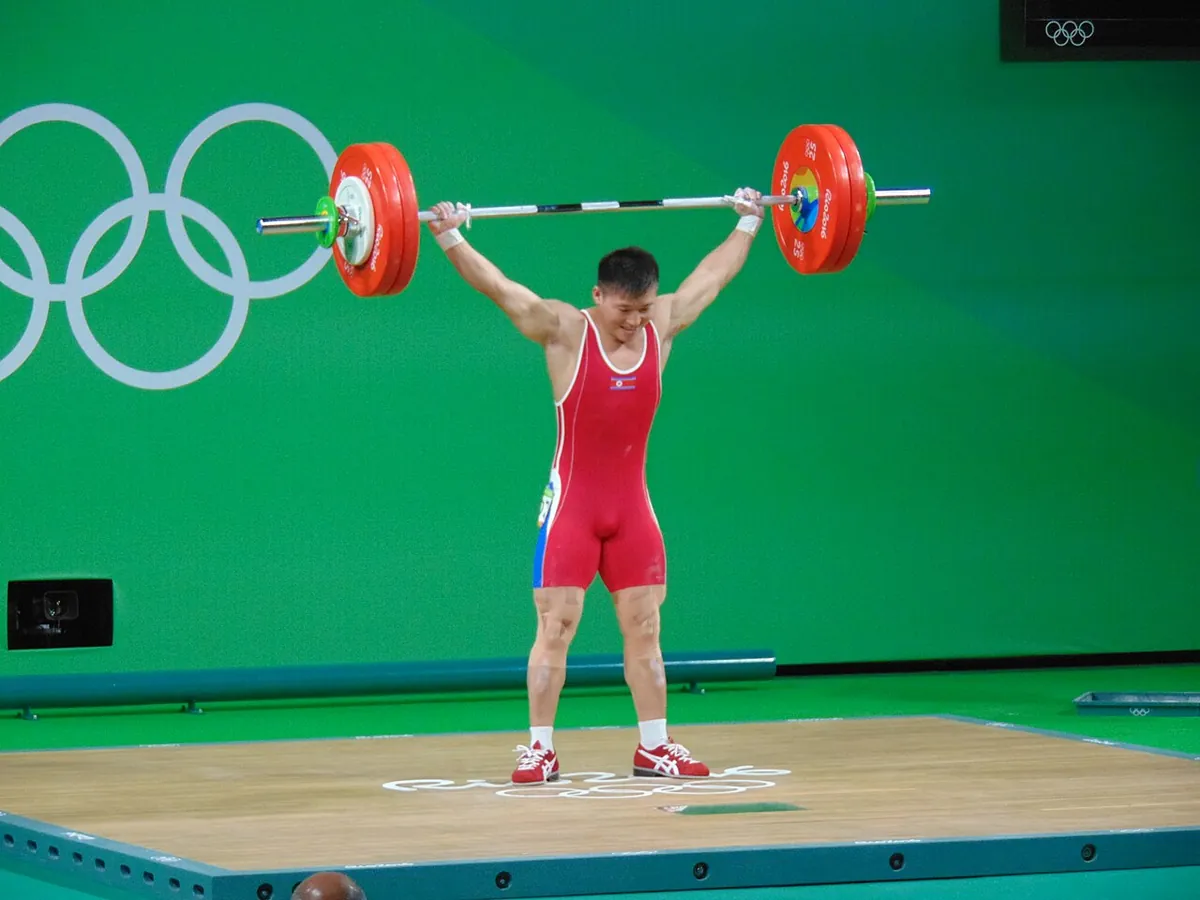
Representing Greece, Pyrros Dimas won Olympic gold at Barcelona 1992, Atlanta 1996 and Sydney 2000, then bronze at Athens 2004. Category arrangements changed during his career, so the historical labels matter. His results should not all be treated as records in one unchanged event.
A career is more than its last medal
Four Olympic podiums include repeated titles and a later different outcome. An athlete's contribution need not be judged only by whether the final competition ended in gold. A chronological record shows different phases of competitive ability without inventing the athlete's private feelings or forcing every result into a predetermined emotional story.
Understand the two-lift contest
A weightlifting total needs both the snatch and clean and jerk. When watching Dimas, follow how the gap after the first lift created later targets. A strong snatch does not end the contest because rivals can respond in the second lift. Comparing the two best valid results explains the outcome more fully than the celebration after the final attempt.
Athens deserves its own place
The 2004 bronze occurred at an Olympics hosted by Greece and forms a specific chapter in Dimas's record. It should be documented as accurately as the preceding golds, rather than used only as a retirement-story detail. Championships, podium finishes and completed competitions are different outcomes; retaining those distinctions presents a real career rather than an unchanging heroic image.