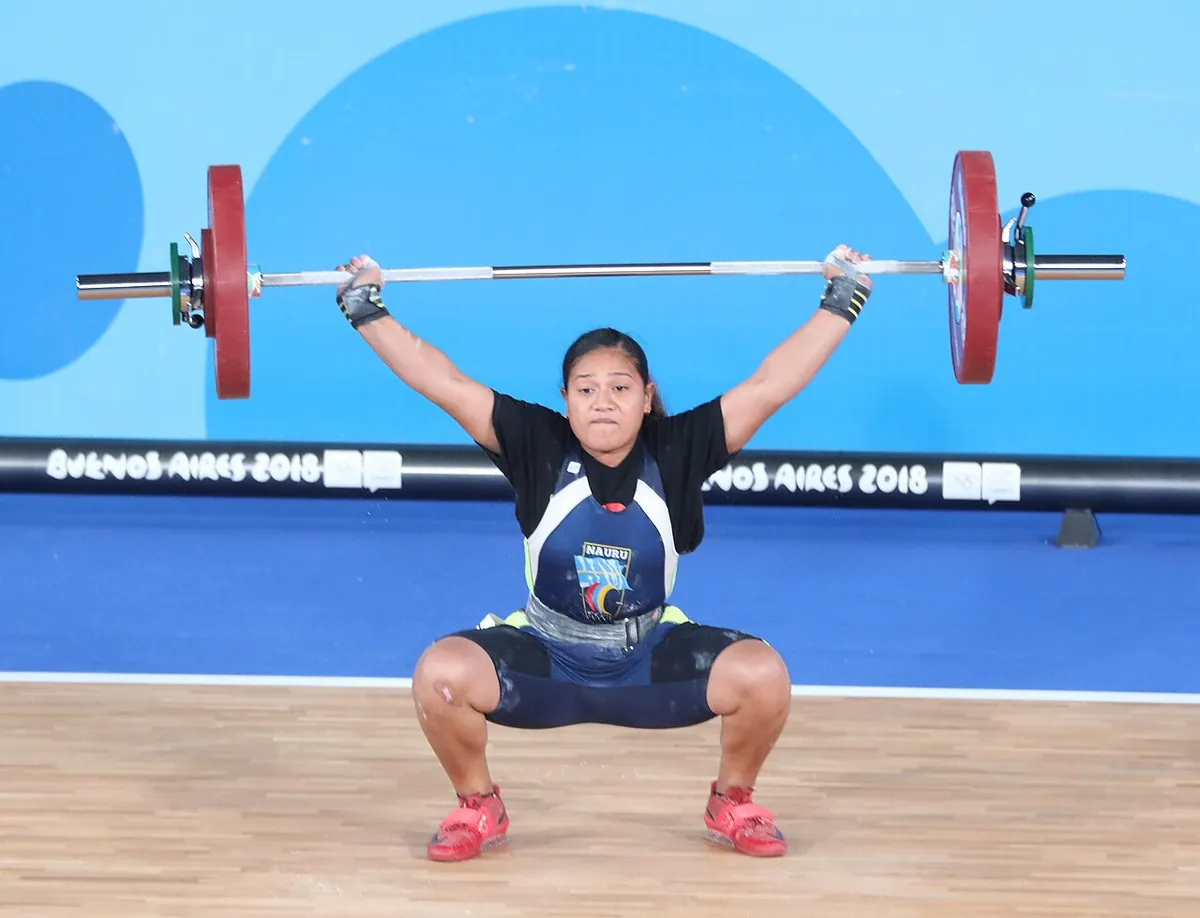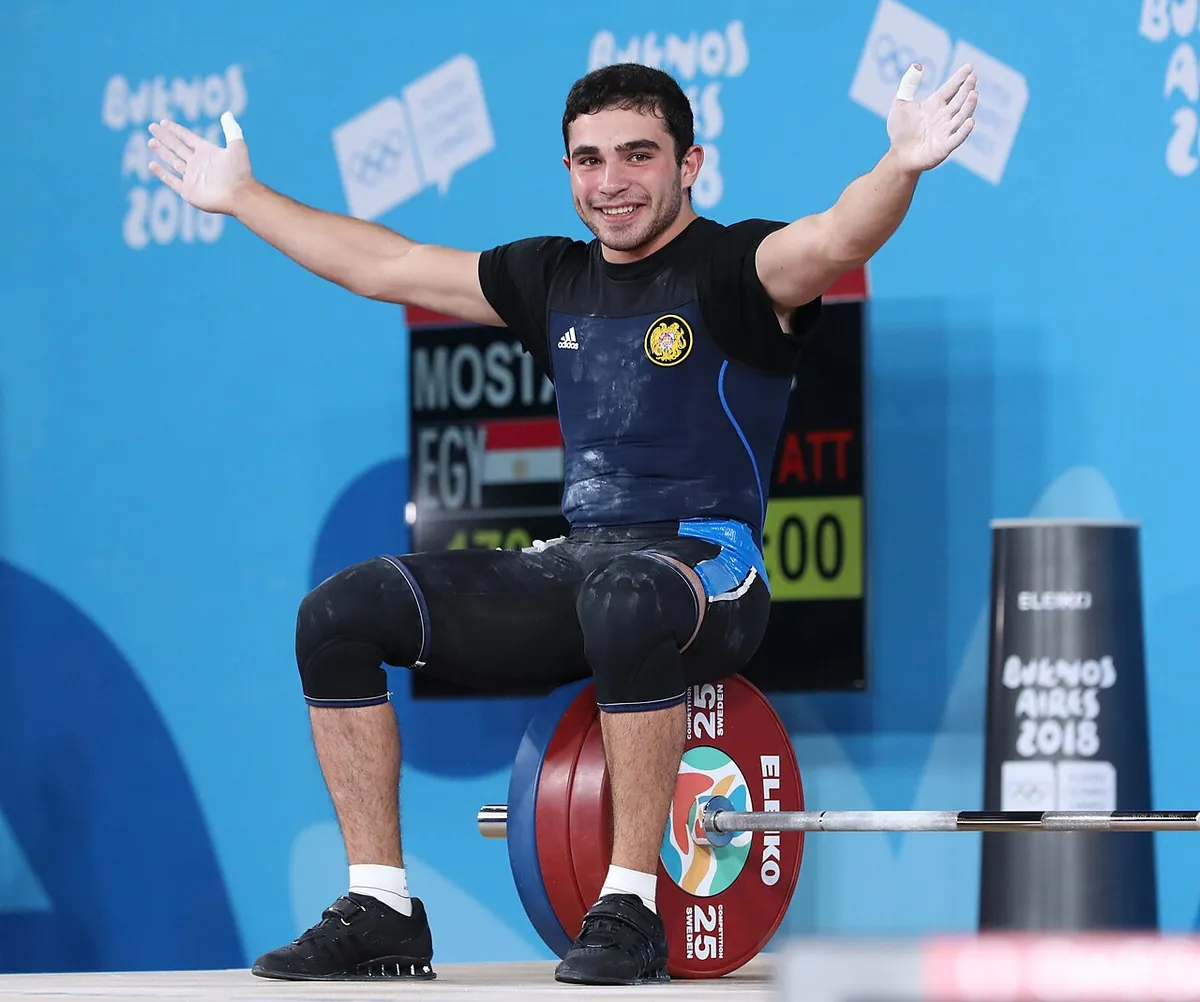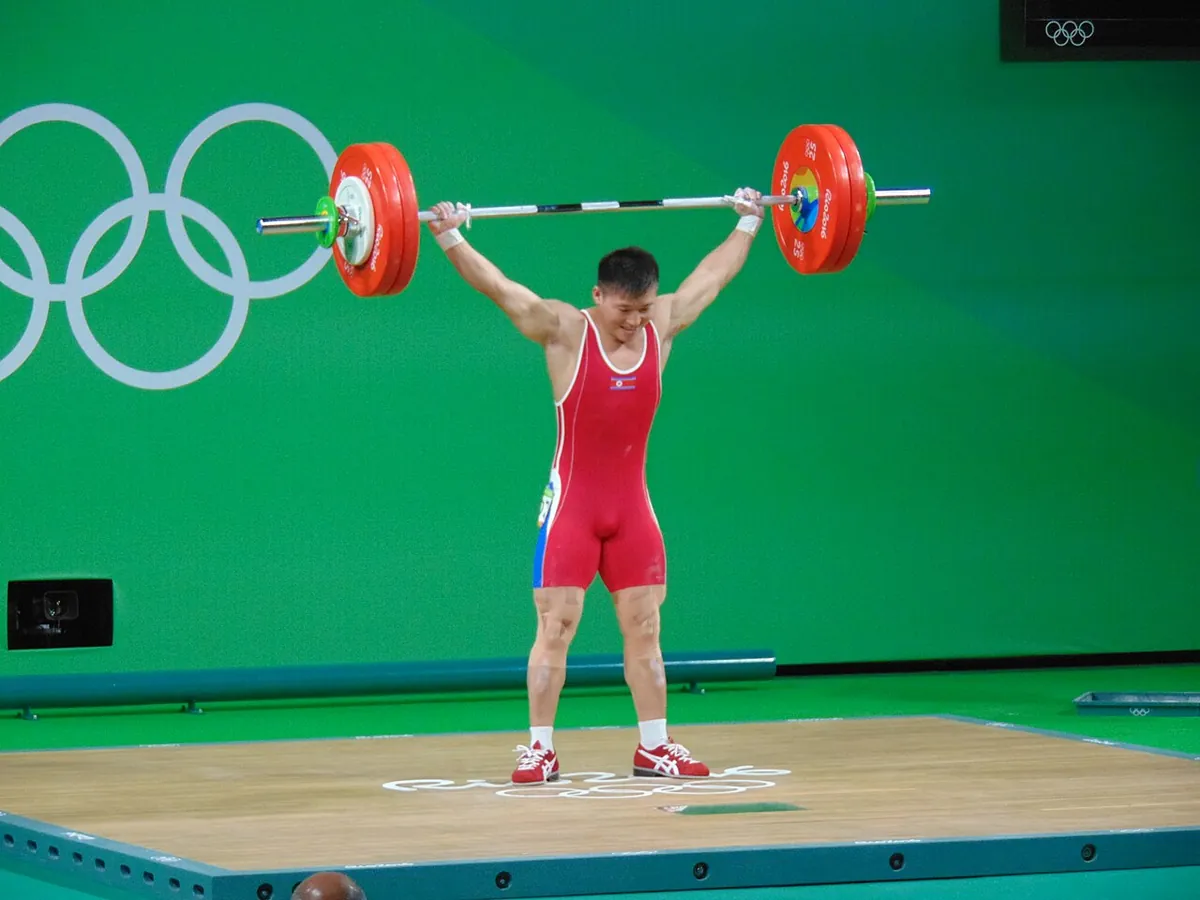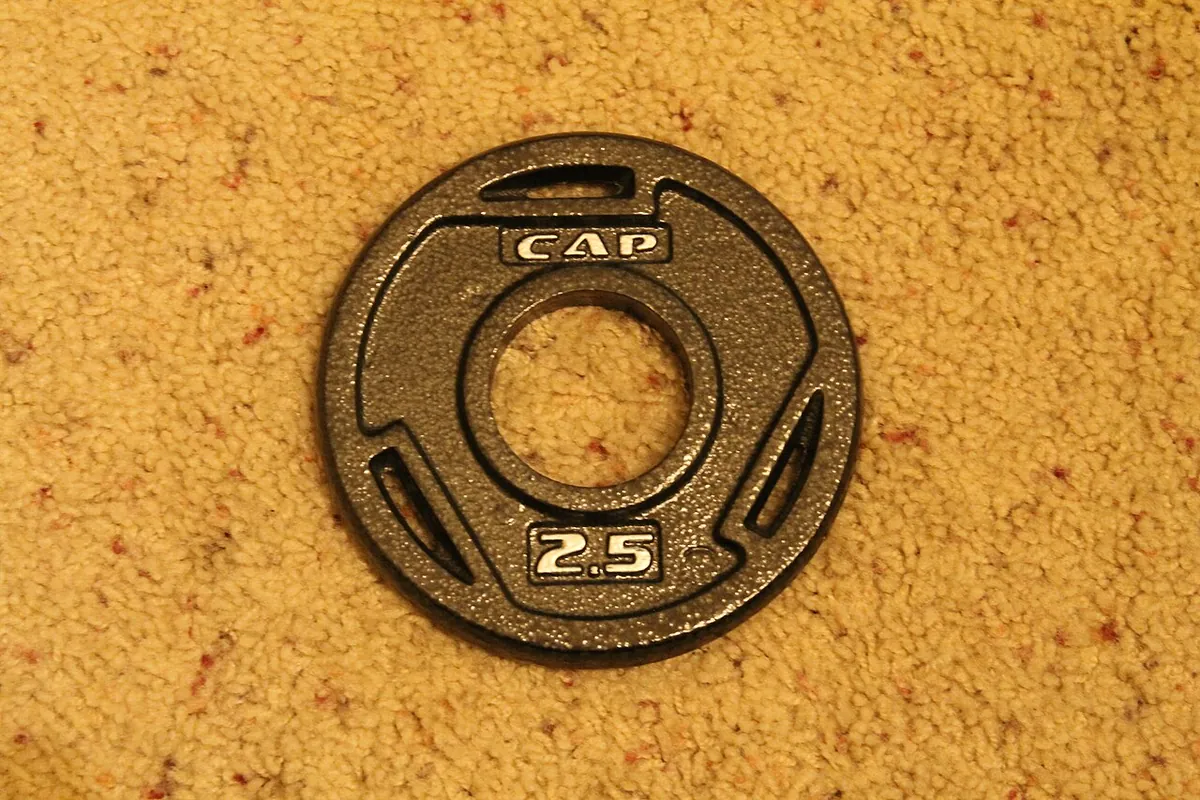
Weightlifting regulates the bar, plates, collars, platform and permitted athlete equipment. Standardisation allows attempts to take place under comparable conditions. The display is the appropriate reference for the declared load and attempt number: counting visible plates from a distant camera misses the contribution of the bar and collars.
Reading the equipment information
Plate colours and markings help distinguish specifications, and loaders adjust both sides to the declared weight under the checking procedure. The displayed kilograms are more dependable than visual estimation. Shoes, belts and wrist supports have different roles but must remain within the rules. No single item explains a successful attempt independently of strength and execution.
Control within the lifting space
The lifter must maintain a stable relationship with the bar while meeting the rules for the platform and finish. A loss of balance can produce forward or backward movement. Competition footage shows why control matters, but it is not a substitute for qualified coaching, suitable equipment and an appropriate venue when attempting heavy lifts.
Different roles for equipment and movement
The platform defines the space and equipment specifications support consistent conditions. Neither makes the athlete's movement automatically valid. Similar-looking loaded bars can also represent different declarations. A new viewer should read weight and attempt number first, then follow the referee decision, rather than infer the whole result from the thickness of the plates.