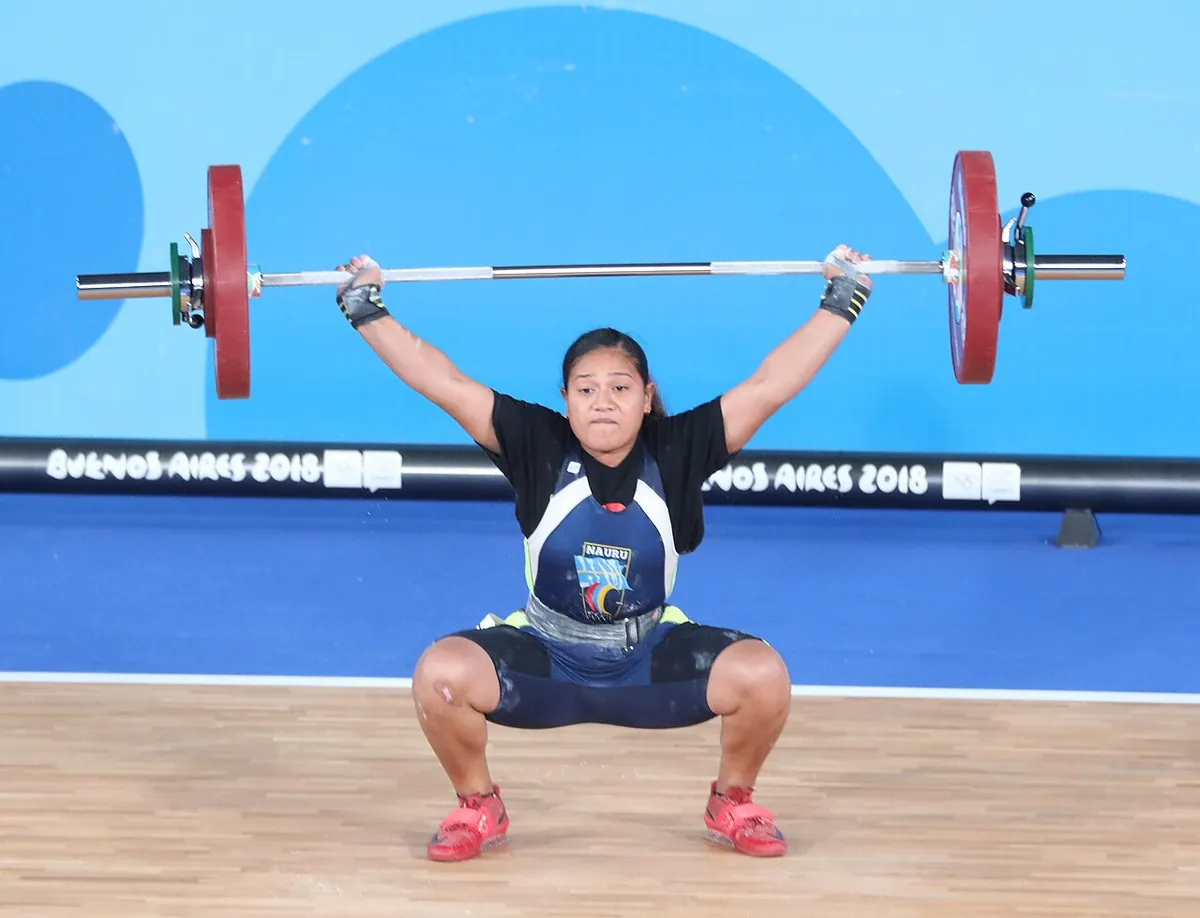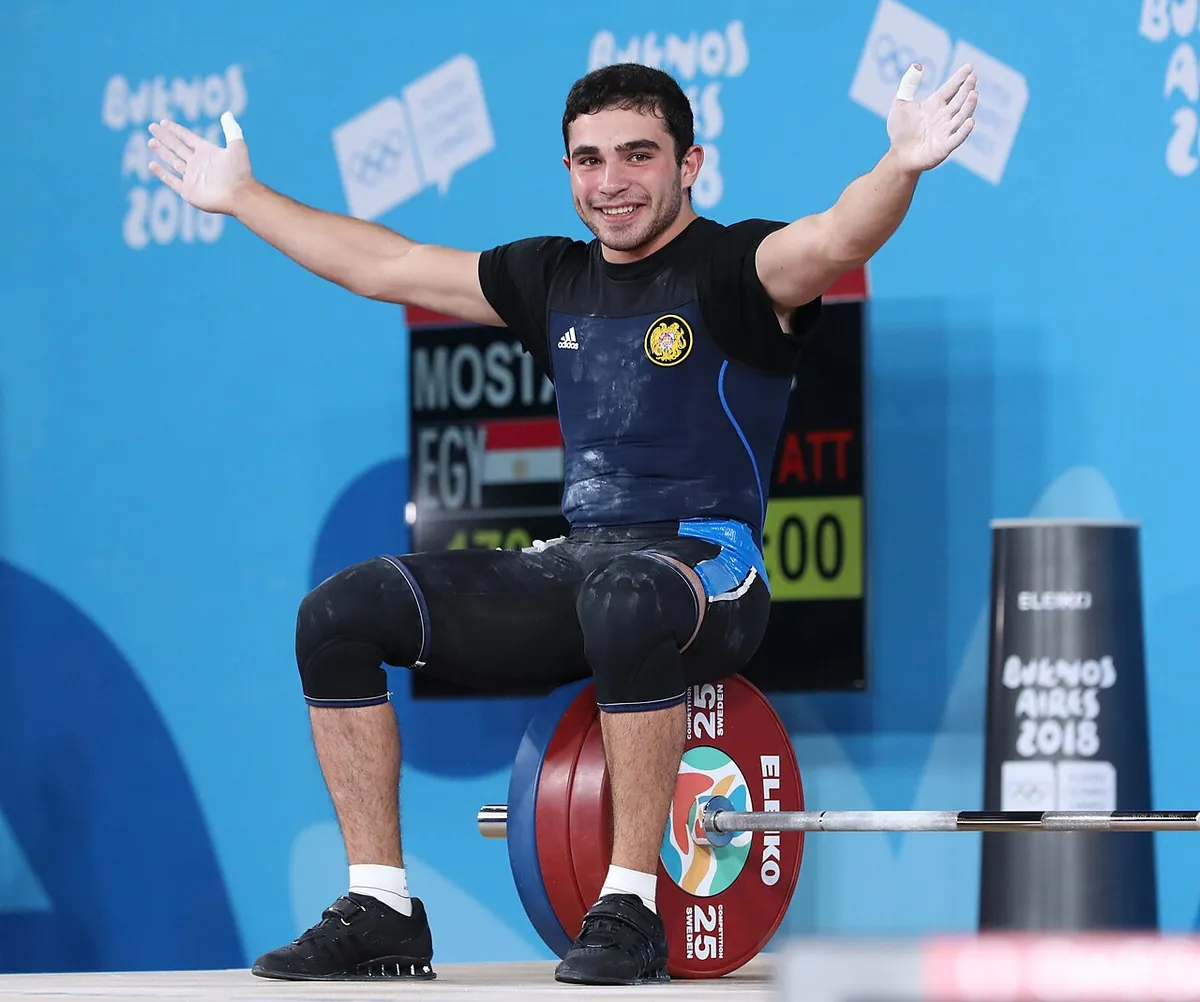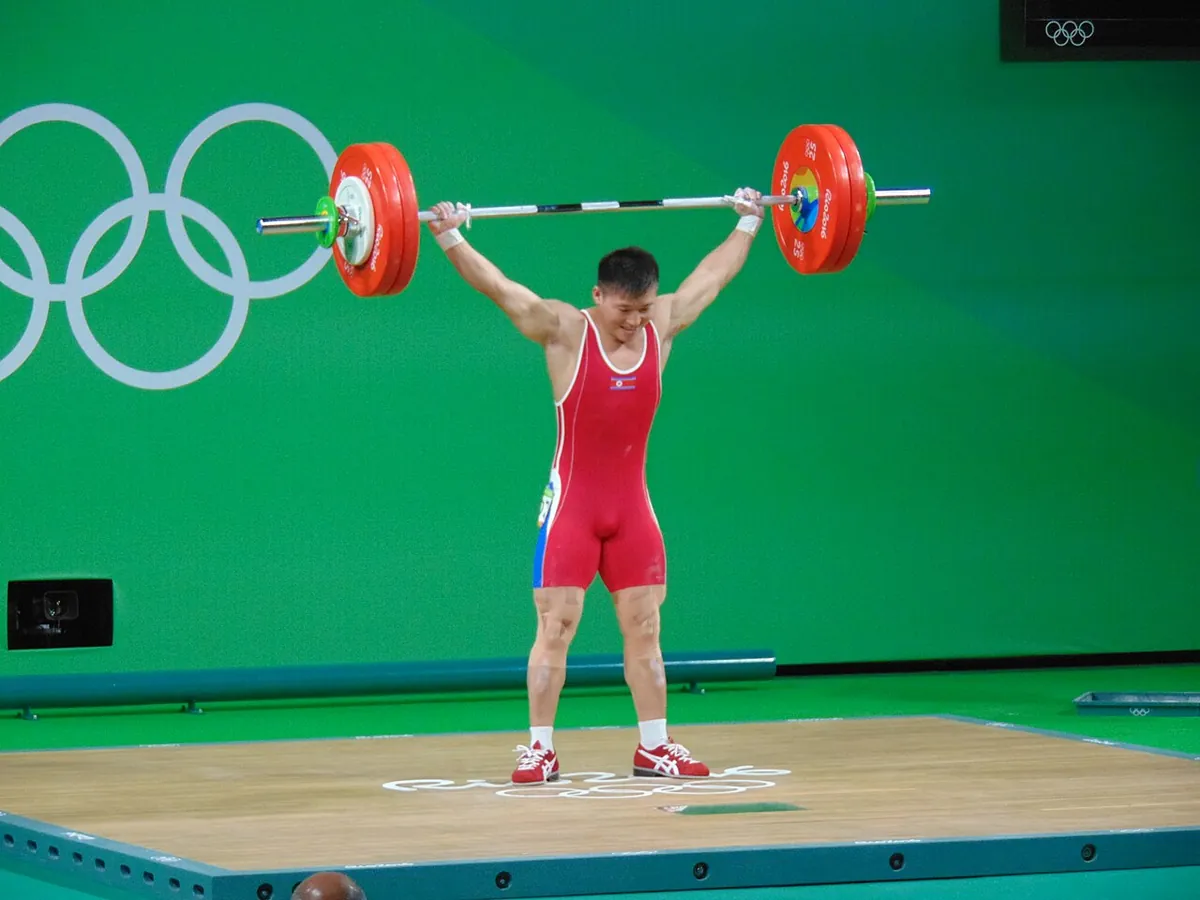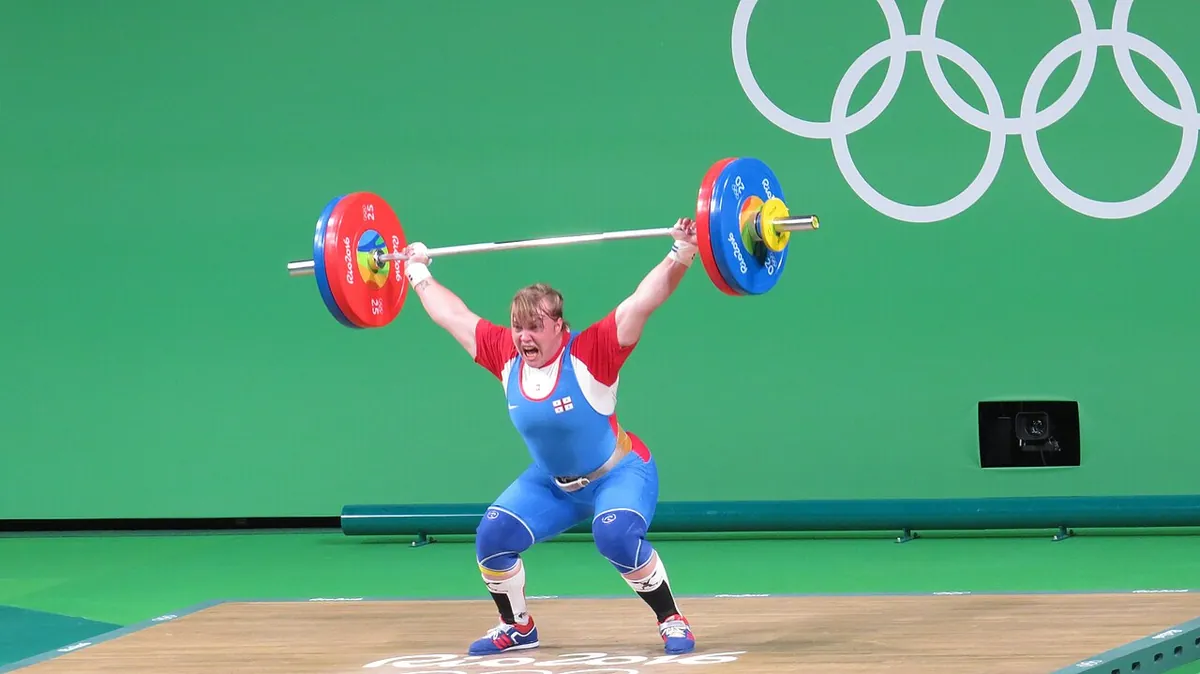
Weightlifting referees judge whether an attempt satisfies the technical requirements. The audience may celebrate when the bar rises, but officials still assess the movement and final control. IWF rules and the event's review procedures establish the result. The distinction is between a visible lift and an officially valid attempt.
Why an overhead bar may not count
An attempt can reach overhead yet contain an elbow-action, control or other technical problem. Officials assess the sequence, not merely the highest point reached. Broadcast angles can hide details, so disputed attempts should be considered with multiple views and the stated explanation. Standing upright at the end does not prove that every preceding requirement was satisfied.
The signal and the final result
The athlete must follow the prescribed signal before lowering the bar. Ending control too early can affect validity. Reviews or jury procedures can also alter an initial decision. Preserve the difference between the first displayed judgement and the final official result instead of assuming that the first number on screen can never change.
Read the combined decision
Referees can disagree about the same attempt, producing different individual lights. Read the official valid-or-invalid outcome and note any subsequent authorised review. Selecting only the light that matches one's own impression is not a sound assessment. The complete decision process is the appropriate basis for recording what the athlete achieved.