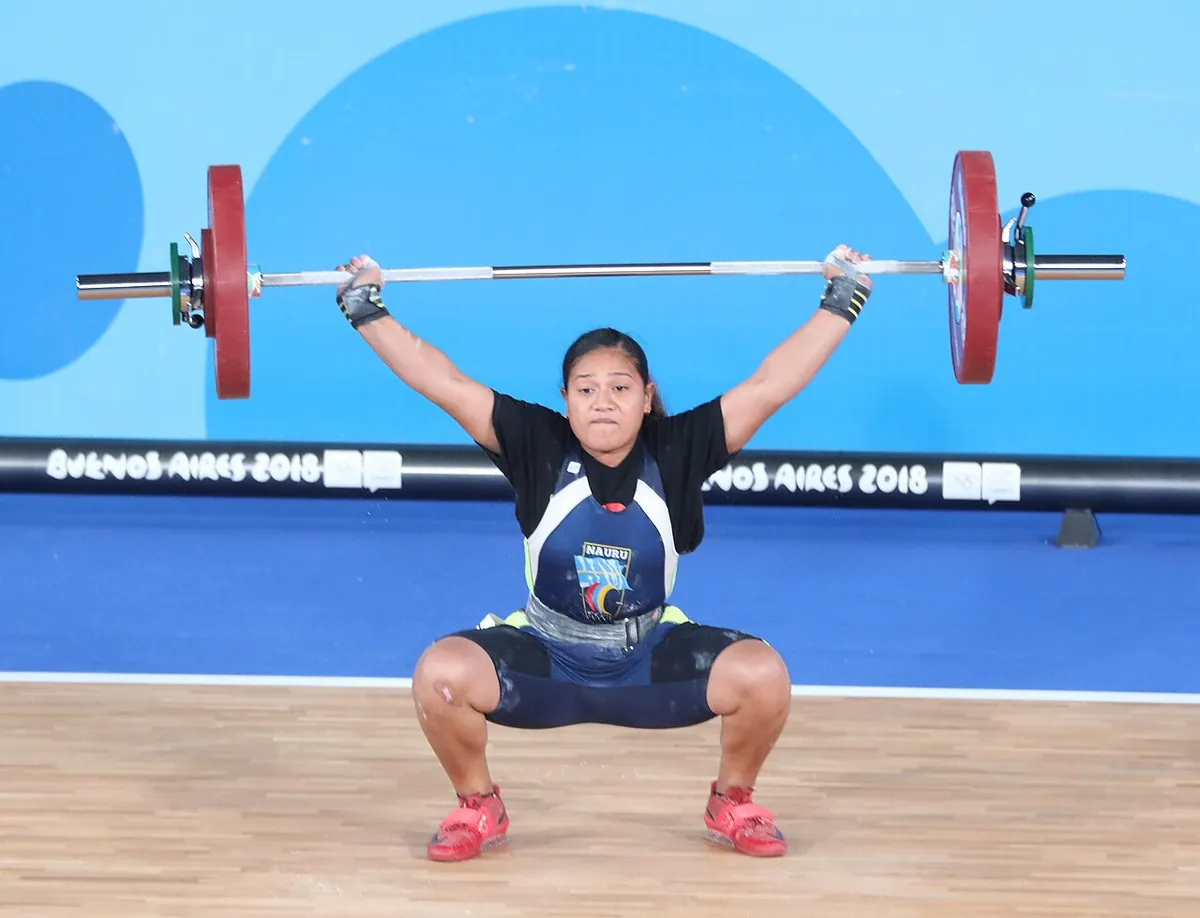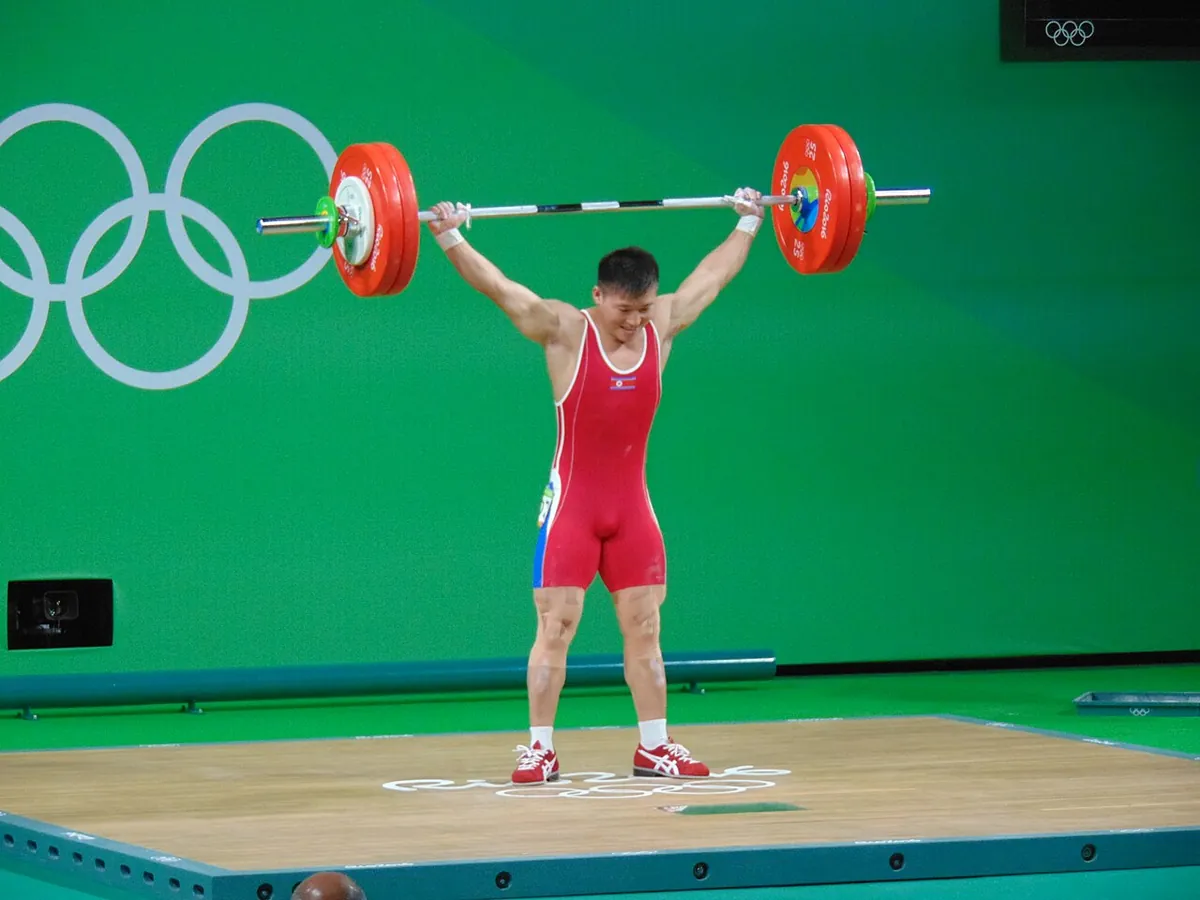
Weightlifting organises snatch, clean and jerk and total results within bodyweight categories. Category boundaries can change between IWF periods, and the Olympic programme may differ from other championships. Athlete profiles and records therefore need a year, event and relevant historical category rather than an unexplained weight figure.
Absolute kilograms are not a universal ranking
Athletes in different categories compete under different physical conditions. Sorting everyone solely by the load lifted does not reproduce the sport's category results. Any cross-category comparison needs an explicit method and stated limitations. Simply dividing the load by bodyweight is not a substitute for explaining what a separate statistical comparison is intended to measure.
Keep records in their original system
When category boundaries change, an old result does not automatically become a record in a new category. Check whether a source describes a contemporary world record, Olympic record or event best, and preserve the date. Also specify whether the figure concerns the snatch, clean and jerk or total rather than treating them as interchangeable.
A category label is not an exact bodyweight
The category name identifies an allowed competition range, not necessarily each participant's precise weigh-in figure. Profiles can state the official category without guessing the athlete's actual weight. Cross-category discussion should use data from comparable rule contexts rather than presenting an old category limit as a permanent physical characteristic.