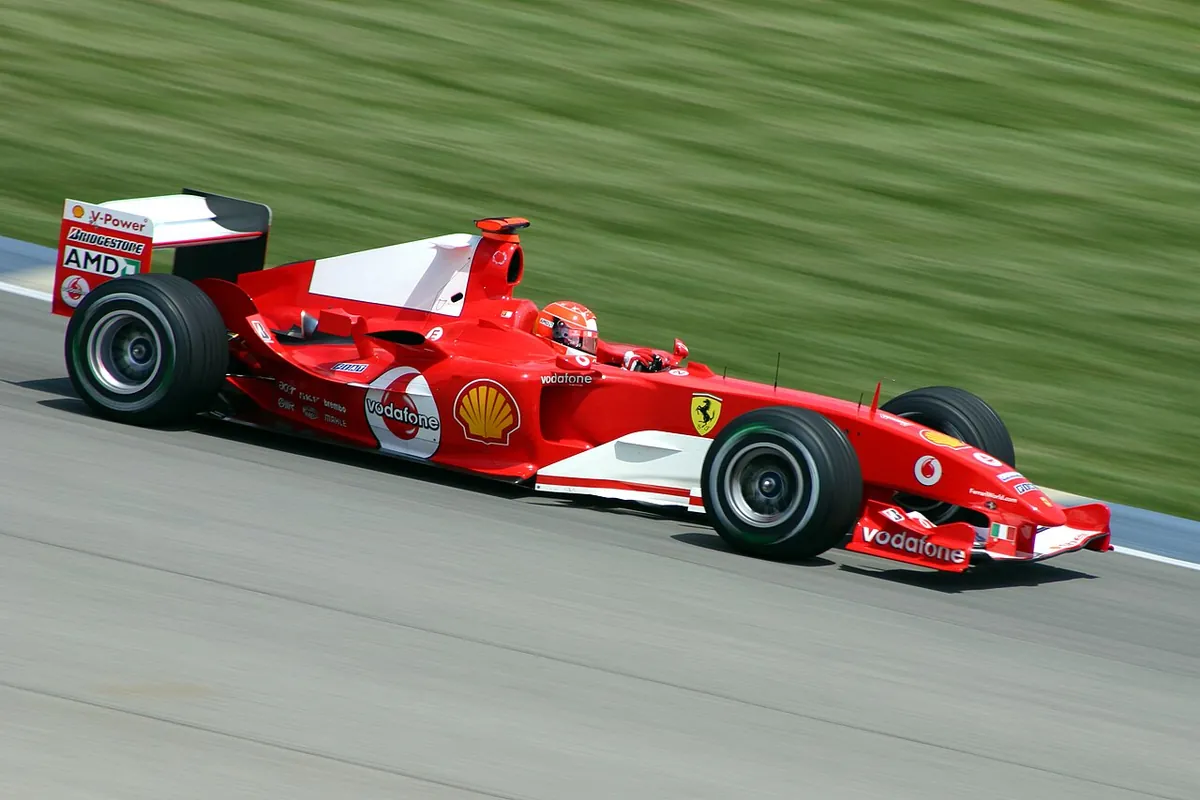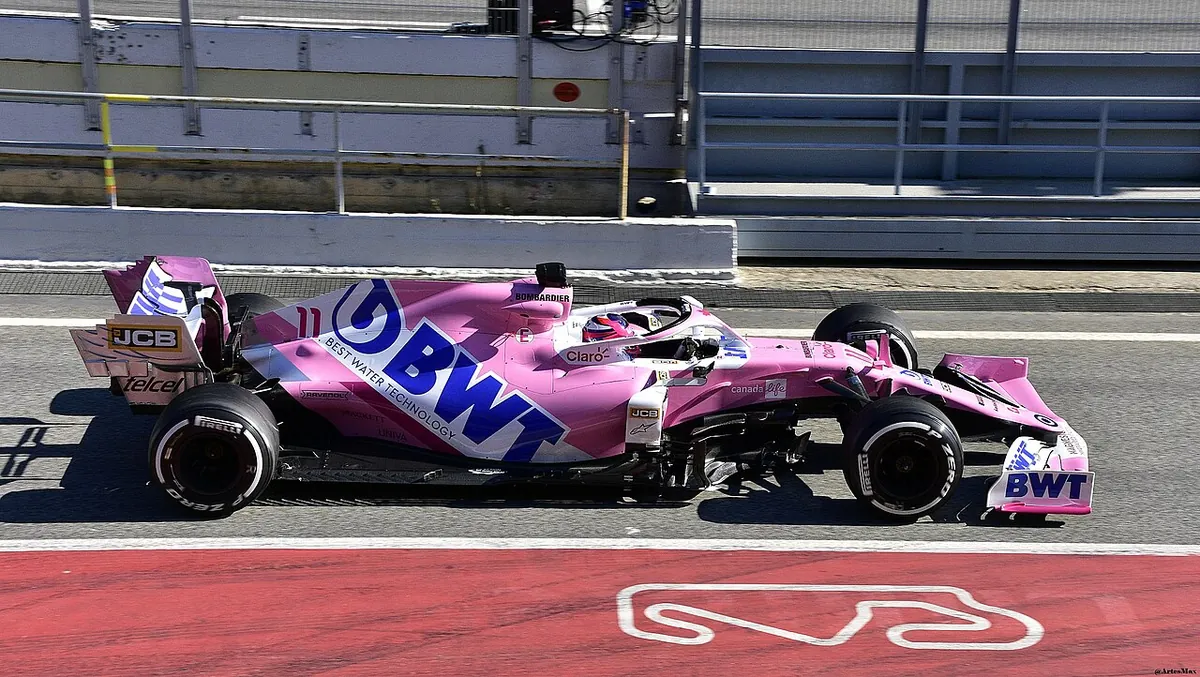
At racing speed, drivers need immediate and consistent information about the track ahead. Flags and electronic light panels provide part of that communication. Formula One operates within the FIA framework, and a familiar colour can have a more specific meaning in a particular session. Learning the common signals makes sudden changes in driving behaviour much easier to understand.
Yellow and red
A yellow flag signals danger and requires the appropriate reduction in speed and restrictions on overtaking. Double yellow signals call for a more substantial response and readiness to change direction or stop. A red flag suspends the relevant track activity. Returning to the pit lane and restarting then follow the instructions and procedures of race control.
Blue and green
During a race, blue flags commonly tell a driver about to be lapped to allow the leading car through. Their use during practice involves a different traffic situation. Green generally indicates that the affected section is clear or activity can proceed. Before interpreting a blue flag, establish whether the cars are on the same lap.
Combine the messages
Flags are only one part of the management system. Race control also communicates investigations, penalties and safety-car information. An investigation notice is not yet a finding of wrongdoing. Read flags, radio messages and formal decisions together, and avoid treating a short replay or provisional broadcast caption as the complete explanation of an incident.