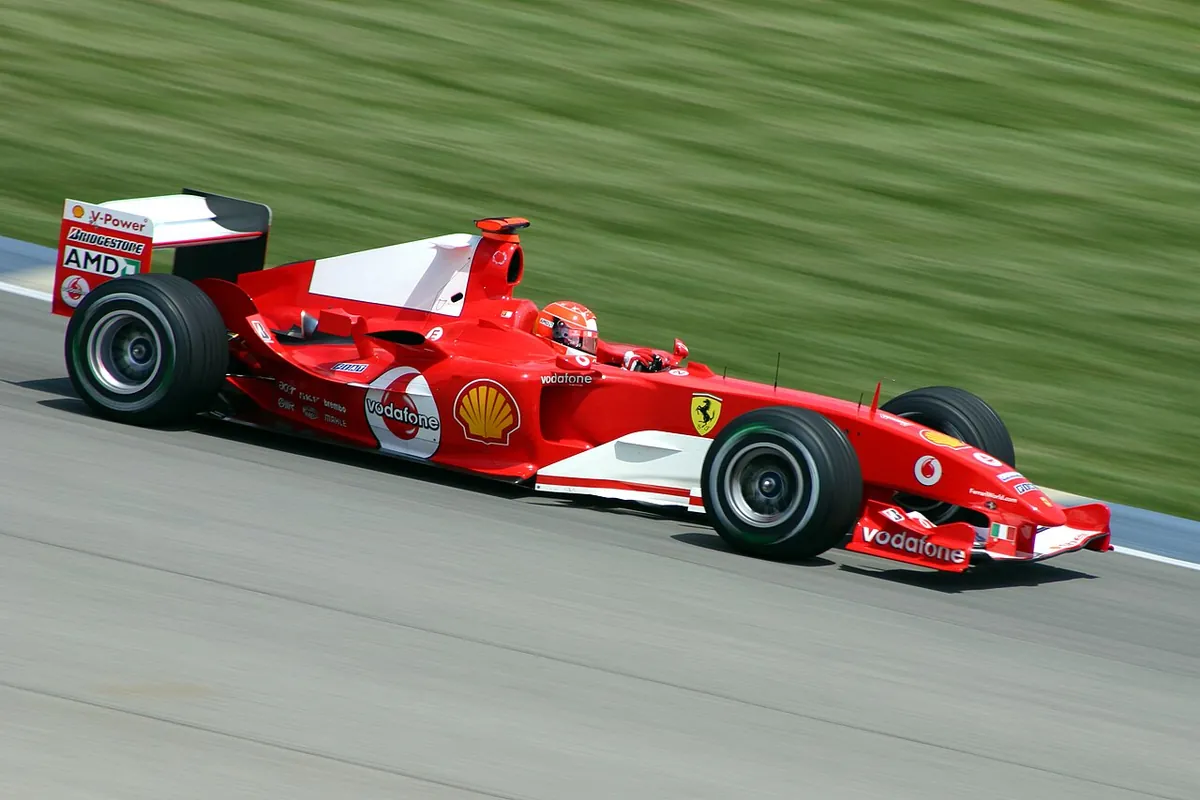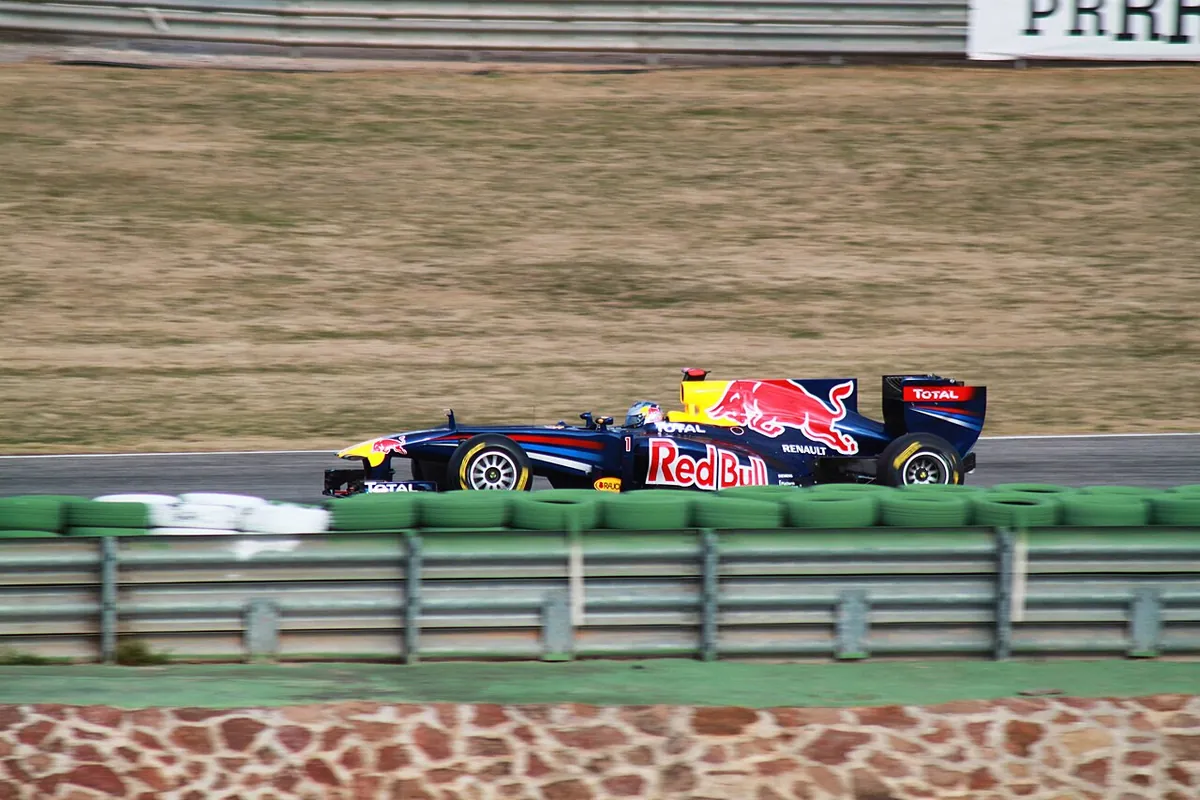
A racing corner is not an isolated manoeuvre. Drivers distribute speed across entry, apex and exit while preparing for the next section of circuit. The ideal line is therefore not a permanent painted path. Tyres, grip, the car's characteristics and the demands of attack or defence all influence the most useful route through a bend.
Braking and turning overlap
Braking reduces speed to a level that permits the corner, while steering asks the tyres to generate lateral grip. Asking too much of both can exceed the available capacity. Watch whether the car remains settled and whether repeated steering corrections are necessary, rather than judging the entire approach by how late the driver brakes.
The exit continues down the straight
A corner leading onto a long straight often rewards a strong exit. Entering too quickly can prevent the car rotating as planned, delay acceleration and cost time throughout the next straight. An apparently cautious entry may therefore be part of a faster overall sequence, rather than evidence that the driver has failed to attack.
Defence changes the compromise
An inside defensive line can restrict a rival's space but tighten the turning radius and weaken the exit. The attacker must choose between immediately drawing alongside and preparing a better acceleration afterwards. The contest is interesting because both drivers are balancing their present position against the opportunity that the next part of the track will create.